
REVIEW · MUSEUMS
MAK – Museum of Applied Arts, Vienna, Ticket
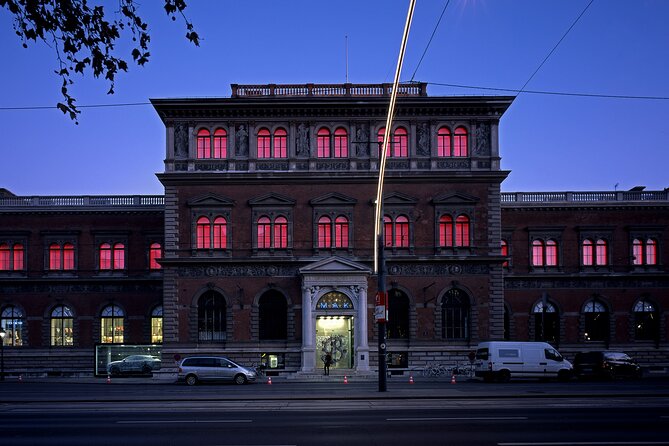
Vienna has a museum for your eyes and your brain. The MAK (Museum of Applied Arts) is one of the best places in town to connect craft and culture, from medieval art to modern design, all inside a gorgeous building on the Ringstraße. You’ll get art, design, fashion, and architecture in one place, plus special exhibitions that keep the museum feeling current.
I especially love two things here. First, the setting: the museum building feels grand without being stuffy, and the exhibition rooms are spacious enough to breathe. Second, the variety. You move from older applied arts to more contemporary ideas, and that mix makes it easier to see how taste, technology, and everyday objects changed over time.
One consideration: this museum can be broad. If you only want one narrow topic, you may feel stretched, because the collections and rotating shows cover several fields.
In This Review
- Key Highlights You Can Actually Use
- Why MAK Is Such a Smart Vienna Choice
- Stop 1: Entering MAK on the Ringstraße
- What You’ll See Across Its Collections (Medieval to Today)
- The Vienna 1900 Story You Can Spot in the Design
- How to Plan Your 1 to 2 Hours So You Don’t Miss the Best Bits
- Special Exhibitions in Art, Fashion, and Architecture
- The Restaurant Question (Plan a Break, but Don’t Overbuild It)
- Tickets, Group Size, Language, and Getting There
- Opening Hours That Help You Catch a Good Time Slot
- Should You Book the MAK Ticket?
- FAQ
- How long should I plan for the MAK?
- What is included with the MAK ticket?
- Are there discounts for children or teens?
- What are the opening hours?
- Does this experience have a language option?
- Can I cancel for a full refund?
Key Highlights You Can Actually Use
- Skip-the-line entry that reduces waiting time: Your ticket is designed to get you in smoothly.
- A free digital MAK guide for self-paced browsing: You can plan your route without rushing.
- Five centuries of applied arts in one museum: You get context from medieval to modern.
- Vienna 1900 connections through design and modern ideas: You’ll spot how form and function evolved.
- Free cloakroom and free WiFi: Practical comforts that make a longer visit easier.
- A calm, not-too-big group setup: The experience is capped at a maximum of 15 travelers.
Why MAK Is Such a Smart Vienna Choice
If you like museums that feel organized, but not rigid, MAK works well. It’s built around the idea that applied arts matter, meaning everyday objects, furniture, and design choices tell real cultural stories. That makes the visit more useful than a collection that is only about paintings or only about decorative arts.
The museum is also great when you want variety without leaving the building. In about 1 to 2 hours, you can see enough highlights to understand the museum’s theme: creativity as a bridge between older traditions and modern thinking. You get plenty of visual variety, but the experience still feels coherent.
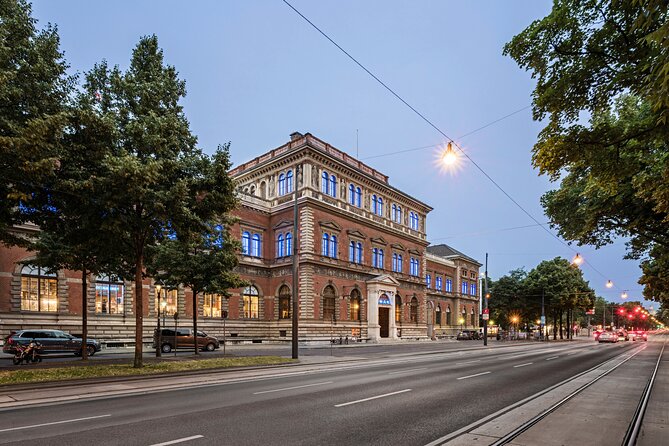
And the building itself deserves a minute of respect. Several visitors note that the structure is worth seeing on its own, and I agree with that logic. In practice, a beautiful, well-laid-out museum turns a short visit into something that feels satisfying rather than rushed.
More Habsburg-era halls and hangings:
- Vienna: Skip-the-Line Sisi Museum, Hofburg and Gardens Tour
★ 4.8 · 5,918 reviews - Vienna Kunsthistorisches Museum Day Admission Ticket
★ 4.6 · 3,690 reviews - Tickets for the Albertina Exhibitions
★ 4.7 · 2,126 reviews - Vienna: Chocolate Workshop in Chocolate Museum w/ Tasting
★ 4.5 · 1,802 reviews
Stop 1: Entering MAK on the Ringstraße
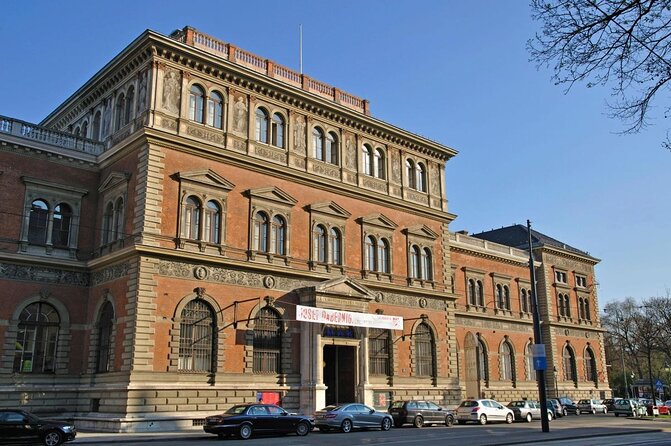
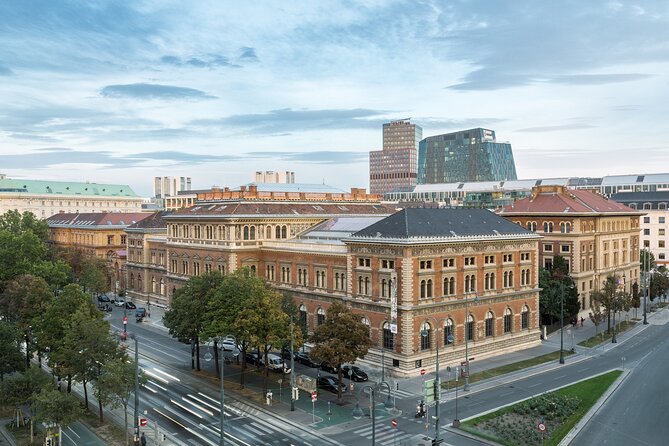
You’ll visit the MAK Museum of Applied Arts right in Vienna’s Ringstraße area. The big advantage of booking this ticket is that it includes skip-the-line access, which helps when you want to use your limited time efficiently. Even if crowds are light, you still benefit from the simpler entry flow.
Once inside, you’ll appreciate the comfort basics. There’s a free cloakroom, so you can shed bulky items and move more freely. Free WiFi is also available, which is handy if you want to check what’s on today or use the digital MAK guide to guide your route.
The museum’s setup also supports a relaxed pace. The exhibition rooms are described as spacious and designed by contemporary artists, which matters because it changes how the collections “sit” in the space. Instead of feeling like everything is squeezed into tight halls, you get room to look closely at materials, design details, and scale.
Practical note: this is a one-stop experience. That sounds simple, but it’s actually a plus. You can focus your energy on MAK instead of spending your day commuting between multiple sites.
What You’ll See Across Its Collections (Medieval to Today)
MAK is built for people who like to connect dots. One of the core strengths is how the museum presents selected highlights from five centuries. That timeframe is wide enough to show change, but the museum framing helps you avoid feeling lost.
Here’s what that usually feels like in a visit: you’ll start with applied arts that anchor you in the past, then shift toward objects and design thinking that look closer to modern sensibilities. That flow helps you understand that design is not just decoration. It’s a mirror of what a society values, what it can make, and what it wants to communicate.
One review specifically mentions the Mobelmuseum being a strong draw compared with some other sections. Even if you don’t know where that fits in your interests, it’s a good signal: furniture and material culture tend to shine here. There’s also praise for the museum’s display of furniture from the early 1900s, including the 1900 to 1930 period, with attention to how modern those pieces can feel.
If you love design details, this is where the museum can reward your slow looking. Spend an extra few minutes with scale, shape, and how objects are finished. Those choices are the museum’s language.
The Vienna 1900 Story You Can Spot in the Design
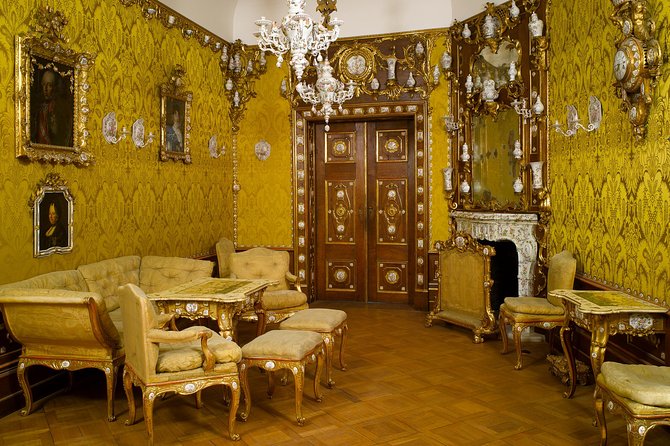
MAK isn’t only showing objects, it’s also helping you understand Vienna 1900. The museum highlights the cultural revolution of that era, which is a fancy way of saying Vienna was changing fast, and design was part of the conversation.
You’ll likely notice this through the way the museum moves between traditional craft and newer, more modern ideas. The connection becomes clearer if you watch for repeated themes, like cleaner lines, shifts in materials, and how form starts to reflect function more strongly. Reviews also point to the modernism you can see in furniture from the 1900/1930 stretch, which is exactly the kind of evidence that makes history feel real.
What I like about this approach is that it doesn’t require you to be an expert. Even if you just know Vienna as music and architecture, you can still grasp the design story by looking at what the objects are doing. You’ll get a better sense of why the city’s artists and designers influenced so much beyond galleries.
Held over another night in Vienna


How to Plan Your 1 to 2 Hours So You Don’t Miss the Best Bits
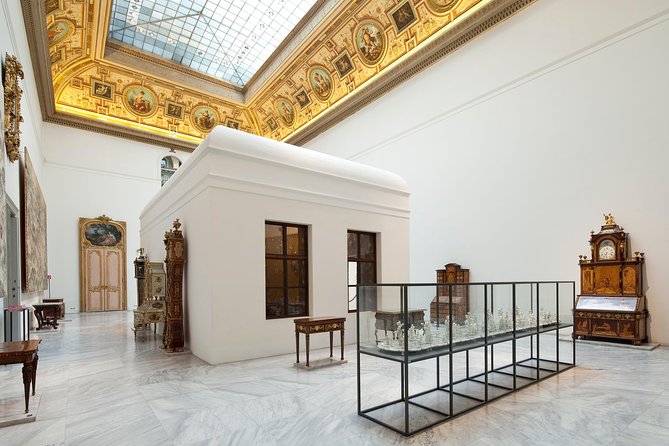
This visit is typically 1 to 2 hours, so planning matters. A good strategy is to treat MAK like a highlight route, not a marathon.
Start with a quick sweep to orient yourself. Then pick the kind of objects you want most:
- If you love furniture and how people lived with design, focus on the sections that emphasize applied arts from the early 1900s.
- If you prefer a broader mix, aim for “one room, one theme,” then move on.
You’ll also have a free digital MAK guide, which is meant for self-paced exploring. Use it to confirm what’s on display today and to build a route that matches your taste. That’s how you protect your time and avoid wandering.
One more time-saver: the museum can include special exhibitions in addition to permanent collections. If you want those, decide early how much time to allocate. Reviews mention that some exhibitions are more satisfying than others. That’s normal for any museum with rotating topics, so don’t feel bad if you skip something that doesn’t hook you.
Also, give yourself permission to stop. A “perfect museum” visit often comes from pausing to look closely, not from checking boxes.
Special Exhibitions in Art, Fashion, and Architecture
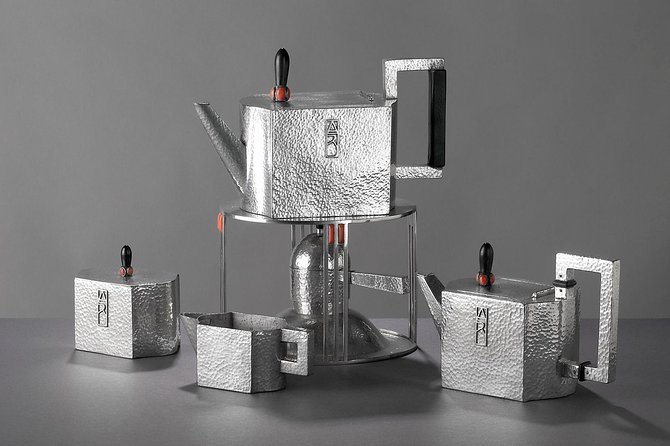
MAK’s special exhibitions are part of what keeps the museum interesting year-round. The museum regularly presents shows in areas like art, design, fashion, and architecture, with themes tied to modern challenges.
In a practical sense, special exhibitions can do two things for you:
- They update the museum’s message so it doesn’t feel like an old collection behind glass.
- They help you connect design choices to current life, from how we dress to how spaces work.
Here’s the realistic downside: special exhibitions vary in appeal. One review notes that some exhibits were interesting while others felt disappointing. That’s a reminder to plan with your preferences in mind. If a show’s theme sounds like your thing, lean into it. If not, it’s totally okay to focus on the permanent displays and the main galleries.
The Restaurant Question (Plan a Break, but Don’t Overbuild It)
Food and drinks are not included with your ticket, so you’ll need to decide if you want a café or restaurant break. Reviews call the on-site restaurant good and also suggest making time to enjoy the museum fully, which implies you should not rush straight through.
For a 1 to 2 hour visit, I’d plan your snack break as optional, not mandatory. If you’re hungry, pick a short break so you can still finish your highlight route. If you’re not, you can skip it and use that time for more looking.
One smart approach is to keep your visit focused first, then decide at the end whether you want to linger.
Tickets, Group Size, Language, and Getting There
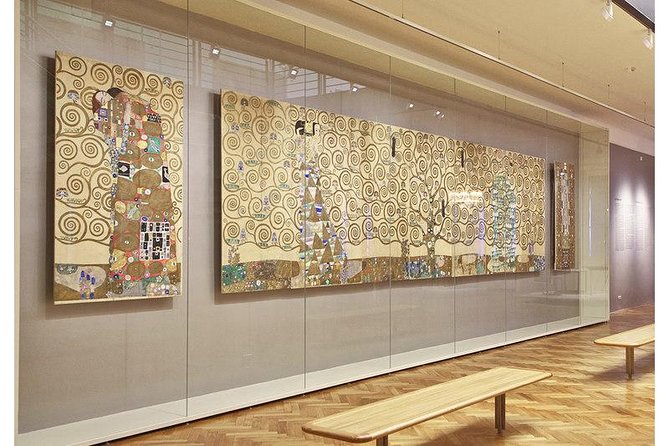
This experience is offered in English, which is great if you don’t want to rely on translation apps while you’re reading and looking. The group size is small, capped at a maximum of 15 travelers, so you won’t feel swallowed by a huge crowd.
Your ticket is valid for the permanent collections and all temporary exhibitions. That matters because it turns your visit into a flexible plan. If you arrive and one part is crowded or less appealing, you can shift your focus without wasting your admission.
A few more practical wins:
- Free cloakroom means less hassle with bags.
- Free WiFi means you can use the digital guide quickly.
- Service animals are allowed.
- The museum is near public transportation, so you’re not stuck planning a long transit day.
Also, tickets are held at MAK for collection on the day. That can be useful if you’re arriving, already tired, and want the entry process to stay simple.
Opening Hours That Help You Catch a Good Time Slot
The museum is open Tuesday through Sunday, from 10:00 AM to 6:00 PM. The ticket service runs across 01/01/2025 to 12/31/2026.
If you want the best experience, avoid arriving right at the opening if you hate lines and peak energy. If you want calmer rooms, hitting it mid-morning often works well, but the exact crowd level changes day to day.
Should You Book the MAK Ticket?
I think you should book this ticket if you want a high-value museum experience focused on how art and design shape everyday life. The price is reasonable for what you get: entry to permanent collections and temporary exhibitions, plus a free digital guide, free cloakroom, free WiFi, and skip-the-line entry.
Skip this booking if you only want one very specific style or if you hate museums that cover multiple design fields. MAK can feel broader than a single-topic museum.
If your trip is short and you want one museum where you can see both past and modern thinking, this is an excellent pick. And if you care about buildings, furniture, and the idea that design is culture, MAK will reward your attention fast.
FAQ
How long should I plan for the MAK?
Plan about 1 to 2 hours. This is enough time to see highlights across permanent collections and any exhibitions you choose to prioritize.
What is included with the MAK ticket?
Your ticket includes admission to the permanent collections and all temporary exhibitions. It also includes a free digital MAK guide, free cloakroom, free WiFi, and skip-the-line entry.
Are there discounts for children or teens?
Yes. Admission is free for children and teens under 19.
What are the opening hours?
The museum is open Tuesday to Sunday from 10:00 AM to 6:00 PM (for 01/01/2025 to 12/31/2026).
Does this experience have a language option?
Yes, the experience is offered in English.
Can I cancel for a full refund?
You can cancel for a full refund up to 24 hours before the experience’s start time. If you cancel less than 24 hours before, the payment is not refunded.
Just added to the bill for Vienna



Museums, compared.

Skip-the-Line Sisi Museum, Hofburg and Gardens Tour
Read our review →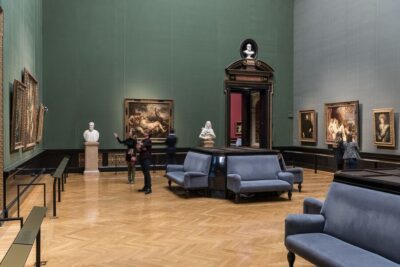
Vienna Kunsthistorisches Museum Day Admission Ticket
Read our review →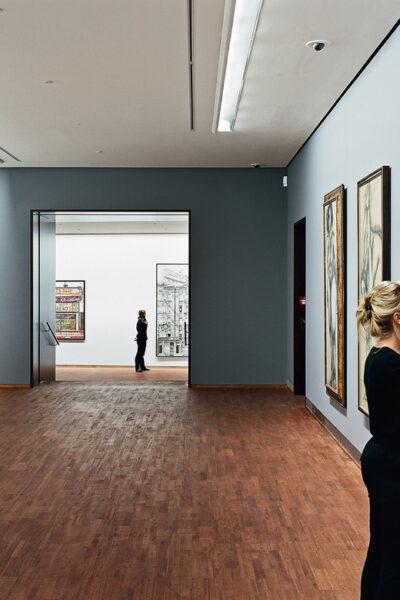

Chocolate Workshop in Chocolate Museum w/ Tasting
Read our review →

St. Stephen’s Cathedral & Dom Museum Wien Tickets
Read our review →
Browse the lists this tour appears in