
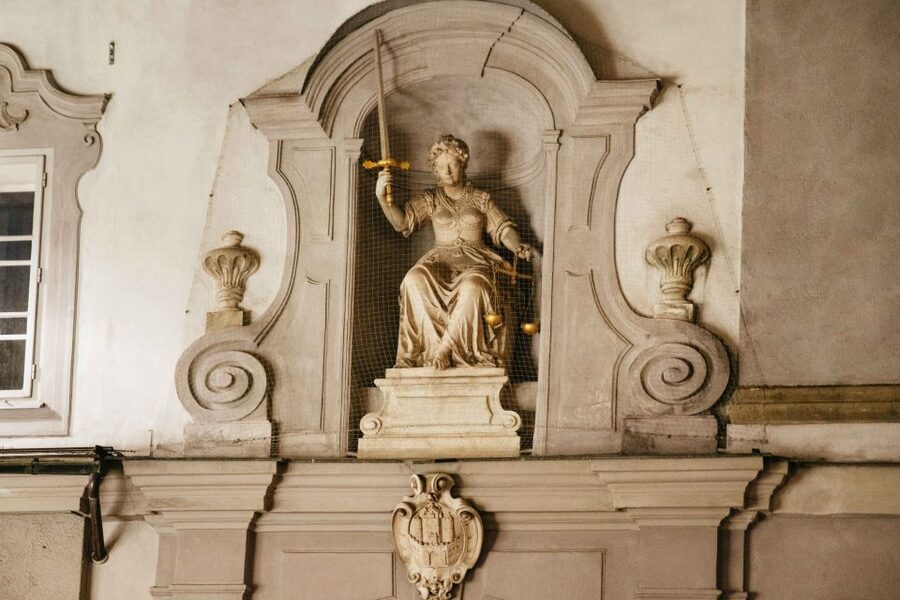
REVIEW · HISTORICAL TOURS
Salzburg: Dark History Tour
Witches and executioners, right in Salzburg. This 90-minute walk leans into Salzburg’s dark history, led by Sabine Rath, with stories that feel both well documented and human. I like the way you follow the city’s darker threads through time, and I also like the light humor that keeps the mood from turning grim. One caution: the name sounds more like horror, but the experience is mostly historical, not scary in a jump-out-of-the-dark way.
You’ll be out on a night-style stroll in the old town’s quieter corners, hearing how medieval and later torture practices shaped real jobs and real lives. If you want a short, guided “story walk” with context, this is a good fit, and it’s wheelchair accessible.
In This Review
- Key Points You’ll Care About
- Why Salzburg’s Dark Side Works as a Walking Tour
- Price, Time, and What You Get for $32
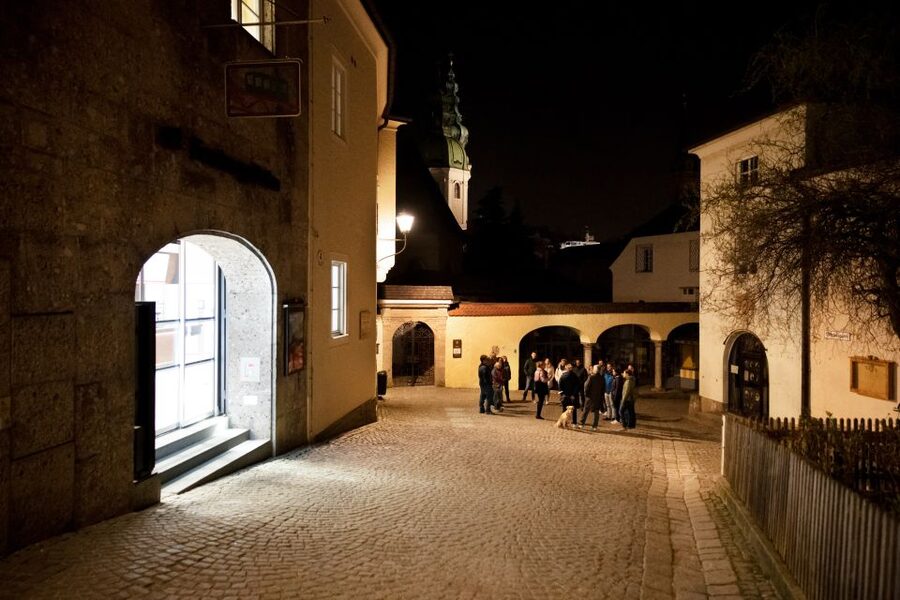
- Starting Point at Festungsgasse 4, and How the Walk Flows
- Chapter One: Witch Trials, Fear, and the People Caught Up in It
- Chapter Two: Executioners and Torturers, and the Job Behind the Fear
- Chapter Three: Medieval vs. Later Methods, and Why Systems Matter
- How the Humor Lands on a Tough Topic
- Language Choices: German by Default, Other Options by Request
- Best For, Not For, and What to Bring
- Booking Value: The Real Reasons People Keep This Tour on Their List
- Should You Book the Salzburg Dark History Tour?
- FAQ
- How long is the Salzburg Dark History Tour?
- What is the price per person?
- Where do I meet the guide?
- What language is the tour offered in?
- Is the tour wheelchair accessible?
- Is it suitable for children?
- What is included in the ticket price?
- Are entrance fees included?
- What if my plans change?
Key Points You’ll Care About
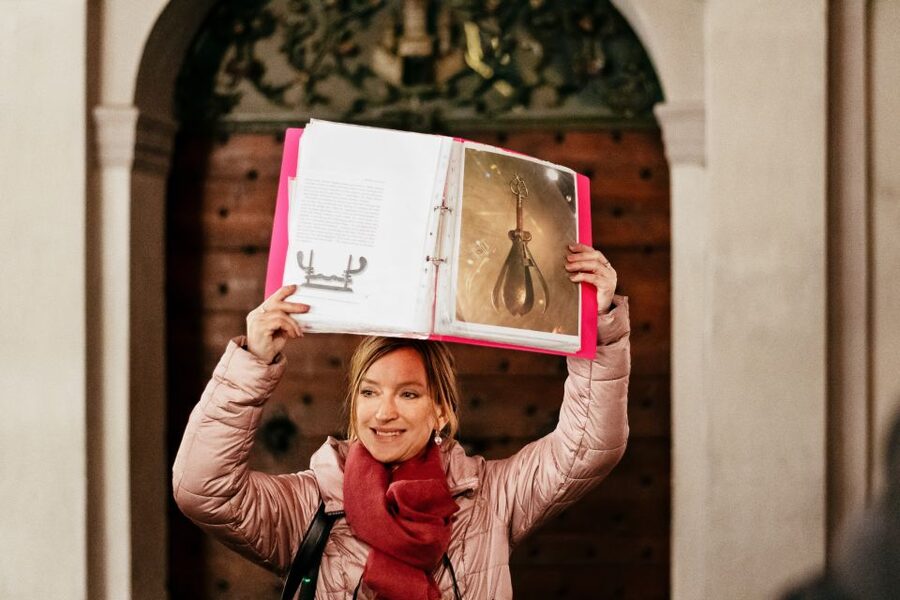
A focused theme: witch trials, executioners, and torturers, tied to documented history
Guide quality: Sabine Rath is praised for being professional, warm, and funny in the right places
Good length: 90 minutes, so you get the idea without losing the whole evening
Appropriate tone: more historical explanation than full-on horror scares
Meet at Festungsgasse 4: easy to find near the Festungsbahn Talstation
Age fit: for ages 11 and up, and not for younger kids
Why Salzburg’s Dark Side Works as a Walking Tour
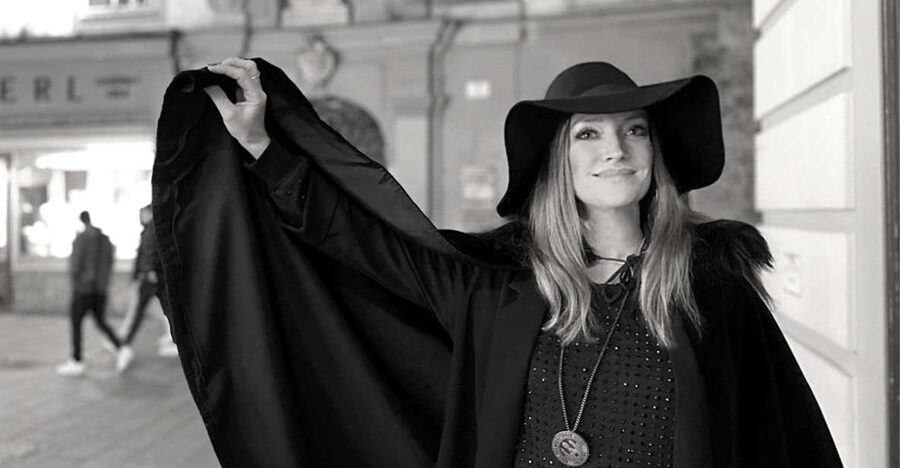
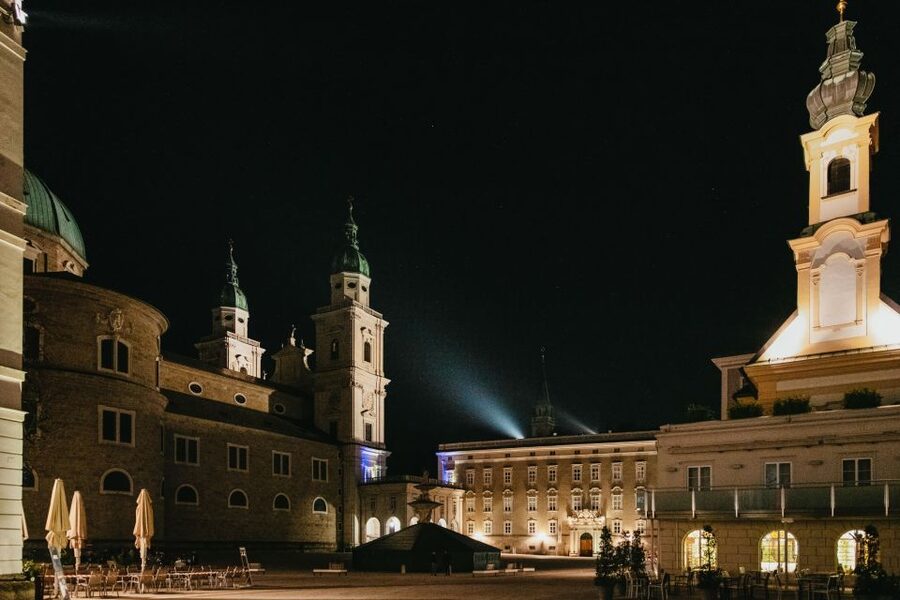
Some city “dark tours” feel like they’re chasing spooky vibes. This one works differently. It’s built as a walking route through Salzburg’s old-town fabric, where the guide explains how the darker side actually operated in the past.
What makes it click is that it stays anchored to people and systems, not just creepy details. You’re not only hearing what happened. You’re learning who did the work, why it was done, and how fear got turned into policy. That gives the stories weight, even when the guide adds humor.
And yes, you’re walking through the city’s quieter lanes. So the setting does its job. It makes the topic feel more immediate than sitting in a classroom.
More centuries of the Habsburg map:
- Celtic Heritage Expereince: Hallstatt & Sacred Alpine Sites
★ 5.0 · 4 reviews - Vienna: Time Travel and Magic Vienna History Tour
★ 4.6 · 3,879 reviews - Vienna: World War II Historical Walking Tour
★ 4.8 · 1,772 reviews - Vienna Historic Center Small Group Walking Tour
★ 5.0 · 1,746 reviews
Price, Time, and What You Get for $32
At $32 per person for a 90-minute walking tour, you’re paying for two things: a specialist guide and a tight route with a clear narrative.
This isn’t an all-day ticket where you come back later for “extra stops.” It’s a focused program. That matters in a city like Salzburg where you might already be juggling sound and sight plans. Ninety minutes is long enough for real context, but short enough to keep your evening flexible.
Also, the tour includes the walking guide, not museum entry. So you’re mostly paying for the explanation, pacing, and story structure. If you love guide-led history, that’s a solid use of time.
Starting Point at Festungsgasse 4, and How the Walk Flows
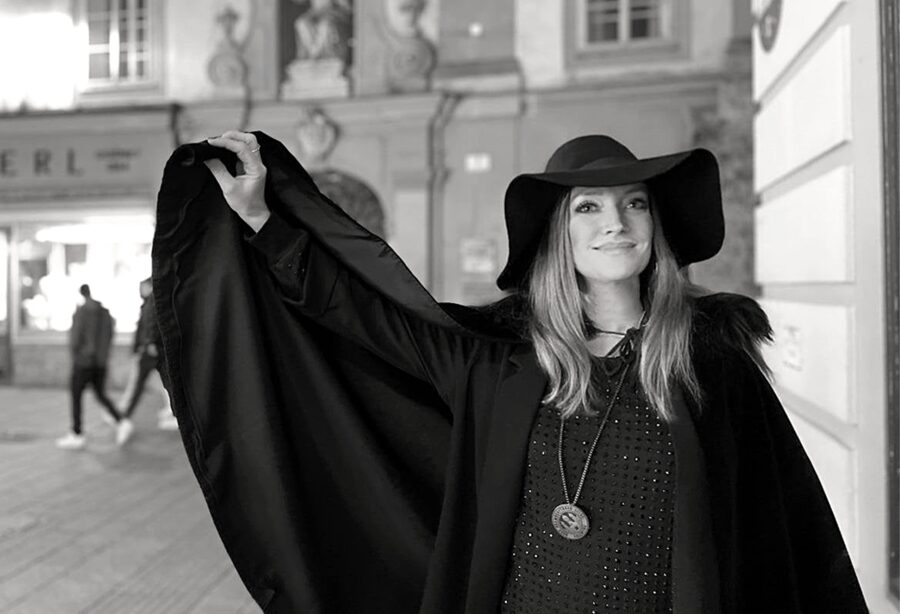
Meet at Festungsgasse 4, next to the Talstation of the Festungsbahn (5020 Salzburg). That’s a helpful detail because it puts you in a central, recognizable area. It also means you can often line it up with other plans around the Festungsberg area.
From there, the tour feels like chapters rather than random facts. The guide moves you through the old town in a way that lets the theme build.
Expect stops that function like story anchors. You’ll pause in locations that relate to the periods being discussed, then move on to the next topic. The walking style is part of the format: you’re seeing the city’s edges and side lanes as you go, so the “dark walk” idea is not just marketing.
One practical note: the tour is meant for the evening mood. Dress accordingly for cooler air and darker light, even if you’re not expecting a full winter freeze.
Chapter One: Witch Trials, Fear, and the People Caught Up in It
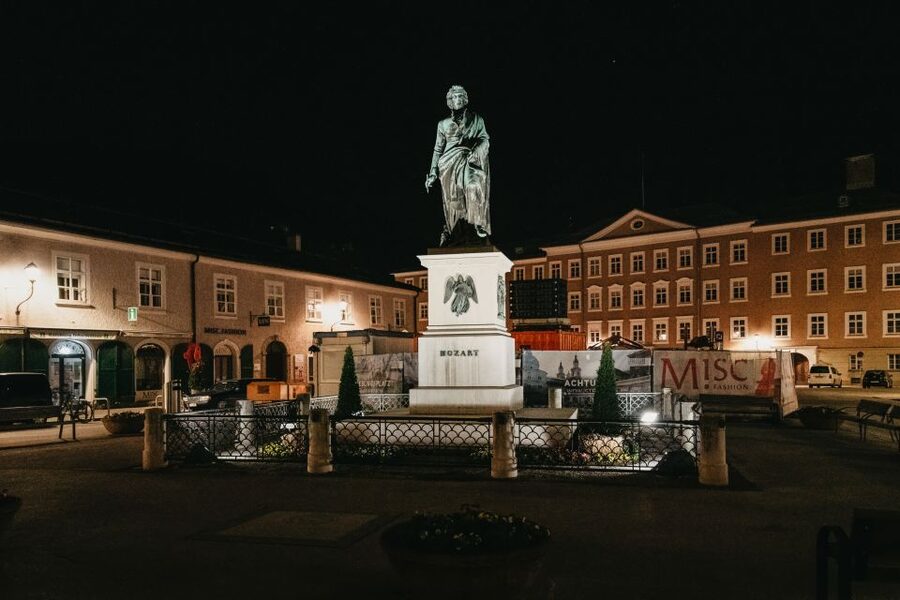
The tour’s storyline starts with the witch-trial era. You’ll follow the theme of witches, and more importantly, you’ll learn how accusations traveled through a community.
This is where the tour’s balance shows. The guide doesn’t only name dates and events. You’ll hear about the mechanisms that kept the system moving, and how fear became something people could act on. The goal is understanding, not sensationalism.
You’ll likely notice the wording shift during this chapter. Instead of only describing punishment, the guide focuses on how the trial culture worked, who benefited from it, and what it did to ordinary lives. That’s often what makes the topic easier to process. It turns the horror into something you can actually grasp.
If you’re bringing kids age 11 and up, this is probably the portion that feels most “story-like,” because the idea of accusations is easier for young teens to connect with than the mechanics of torture.
Held over another night in Salzburg

Chapter Two: Executioners and Torturers, and the Job Behind the Fear
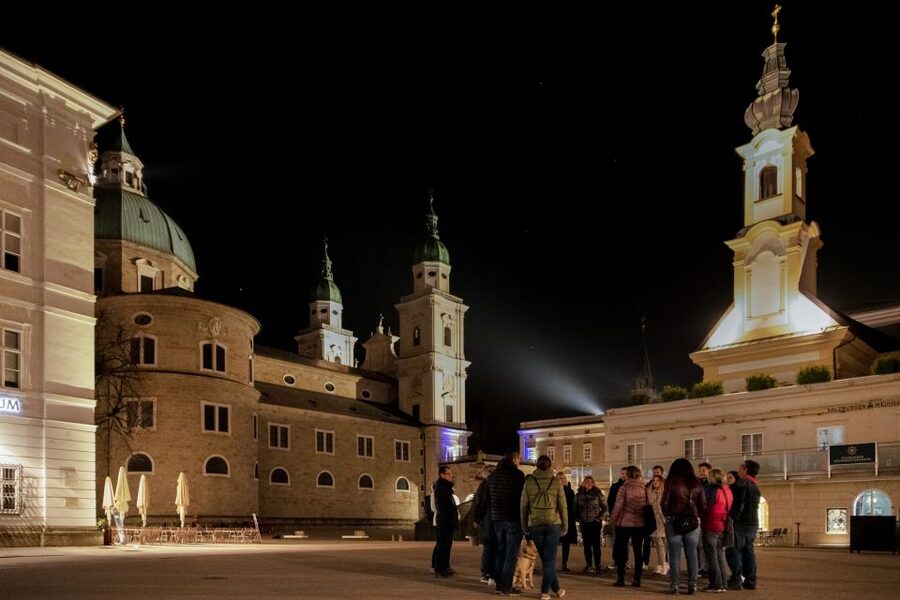
Next comes the work side of the dark story. The tour highlights the roles of executioners and torturers, and how these jobs were tied to the city’s justice system.
This is not just “scary history trivia.” It’s about what kind of labor was demanded in those eras, and how a person ended up in that role. The tour places focus on documented history, so you get a clearer picture of how society handled violence when it claimed it was legal or necessary.
The guide also adds humor here, but it’s careful humor. It doesn’t erase the seriousness. It helps keep pace with the material, so you don’t feel like you’re being hit by one heavy detail after another.
If you’re the kind of person who wonders how people rationalized brutal actions, you’ll probably lean in during this chapter.
Chapter Three: Medieval vs. Later Methods, and Why Systems Matter
A key promise of the tour is covering both medieval and later approaches, including practices connected to the 17th century witch trials. You’ll hear about medieval methods and later “methods of torture,” with explanations that help you see how the system evolved.
This is where the tour becomes more than a grim walk. The guide connects the dots between eras so you can understand that cruelty wasn’t random. It was organized, repeated, and maintained through procedure and authority.
You may find this part especially valuable if you want history that teaches you how to think, not just what to memorize. It helps you recognize patterns. What stays consistent across time is the human tendency to turn fear into rules.
And that’s where the tour’s best strength shows: it makes the dark subject feel like a study of society, not just a collection of gruesome images.
How the Humor Lands on a Tough Topic
The tour’s tone is one of its most praised aspects. The guide, Sabine Rath, is described as funny and historically versed, with a professional and sympathetic style.
That matters. When a topic is heavy, humor can either become disrespectful or become a pressure valve. Here, it sounds like it’s used to keep the experience moving and digestible. You’re still dealing with dark material, but you’re not stuck in a permanent dread mood.
One more thing: the tour’s title can set expectations. Some people may expect more jump-scare style fright. The better way to think about it is: dark walk, history explanation, with a grin when appropriate. If that sounds good to you, you’ll probably enjoy it a lot.
Language Choices: German by Default, Other Options by Request

The live tour guide language is German. You may request English, Spanish, or German.
So if you don’t speak German, don’t panic, but do check ahead. Requesting the language you want is the safest move. If you end up in German anyway, you’ll still likely catch the structure of the story because the tour theme is consistent and the guide is telling it as a narrative.
Best For, Not For, and What to Bring

This tour fits best if you like history with a human edge. I think you’ll enjoy it if you’re curious about how places got their reputations, and you want more than postcard Salzburg.
It’s also a good option for people who like walking tours but want a theme that goes beyond architecture and composers.
Who might not love it:
- If you want purely spooky entertainment, you may find it more educational than frightening.
- If you’re traveling with kids under 11, it’s not suitable.
- If you dislike dark topics entirely, this may feel uncomfortable.
What to bring:
- Comfortable shoes for a 90-minute walk.
- A layer for evening.
- A calm mindset. This is about real cruelty in real history, explained thoughtfully.
Booking Value: The Real Reasons People Keep This Tour on Their List
The rating is strong, and the feedback themes are very consistent: entertaining pacing, humor that doesn’t undermine the topic, and strong guiding.
Sabine Rath comes up again and again as professional and sympathetic, which is exactly what you want for a sensitive theme. A guide sets the tone. In this case, it sounds like the guide manages it well.
The second big value point is length. Ninety minutes is manageable. You don’t have to commit to an entire afternoon. You get a complete story arc and then you’re free to move on.
Should You Book the Salzburg Dark History Tour?
I’d book it if you want a short, guided old-town night walk with context, and if you’re curious about how witch-trial fear and the city’s justice culture played out in real jobs and real procedures. The mix of documented history and humor makes it easier to handle than a strictly grim lecture.
Skip it if you’re hunting for horror-movie thrills or if dark subject matter is a hard no for your group. Also, keep expectations realistic: this tour is dark history, not a haunted-house scare.
If you match the vibe, it’s a smart use of time in Salzburg, and Sabine Rath’s storytelling is the kind of guide work that makes a city feel more complicated, and more interesting, than the postcard version.
FAQ
How long is the Salzburg Dark History Tour?
The tour lasts about 90 minutes.
What is the price per person?
The price is $32 per person.
Where do I meet the guide?
You meet at Festungsgasse 4, next to the Talstation of the Festungsbahn (5020 Salzburg).
What language is the tour offered in?
The live tour guide language is German. You may request English or Spanish.
Is the tour wheelchair accessible?
Yes, the tour is wheelchair accessible.
Is it suitable for children?
It is appropriate for children ages 11 and up, and it is not suitable for children under 11 years.
What is included in the ticket price?
The walking tour is included.
Are entrance fees included?
No, entrance fees are not included.
What if my plans change?
Free cancellation is available up to 24 hours in advance for a full refund.
Just added to the bill for Salzburg






Historical Tours, compared.


Vienna Historic Center Small Group Walking Tour
Read our review →

Skip-the-Line Schonbrunn Palace Guided Tour and Vienna Historical City Tour
Read our review →
Vienna Mozart Concert in Historical Costumes at the Musikverein
Read our review →

Browse the lists this tour appears in