
REVIEW · MUSEUMS
Vienna: Heidi Horten Collection Museum Entry Ticket
Modern art, right in Vienna’s center.
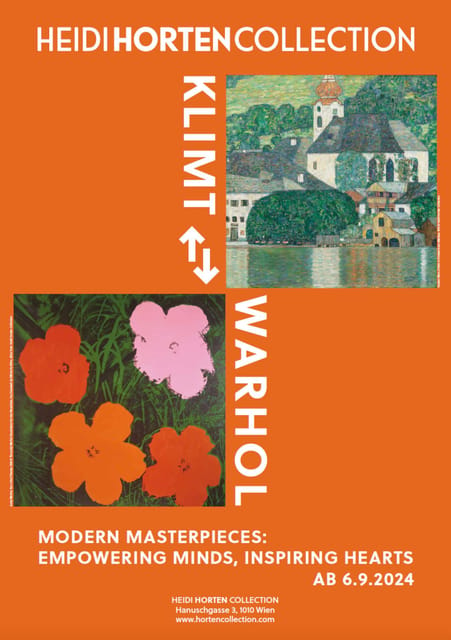
That is the appeal of the Heidi Horten Collection ticket: you walk into a museum built for 20th-century ideas, with modern and pop art at the center of it all, plus the big exhibition KLIMT ⇄ WARHOL. I like that the visit feels designed, not just scheduled, because the building’s architecture is part of the show.
I also really enjoy the small “before you even start” moments, like the sculpture garden right in front and the first-floor Tea Room, designed by Markus Schinwald and Hans Kupelwieser. One practical consideration: follow the no-large-bags rule and don’t bring umbrellas or pets, since that can change how easily you move through the museum.
In This Review
- Key things to know before you go
- Entering the Heidi Horten Collection: quick validation, then art
- Sculpture garden first: start in front of a former Habsburg palace
- The building is part of the show: total work of art energy
- KLIMT ⇄ WARHOL. Modern Masterpieces: why the pairing matters
- Use the Smartify audio guide like a mini-personal tour
- The Line temporary exhibition: a simple idea with big art consequences
- Pacing your 1-day ticket: what to prioritize
- Price and value: how much you really pay for what you get
- Should you book the Heidi Horten Collection ticket?
- FAQ
- How do I enter the museum?
- Is the audio guide included, and what languages are available?
- How long is the ticket valid?
- What are the main exhibitions included with entry?
- What items are not allowed inside?
- Are there any special dates when the museum has reduced access?
- Is the museum wheelchair accessible?
Key things to know before you go
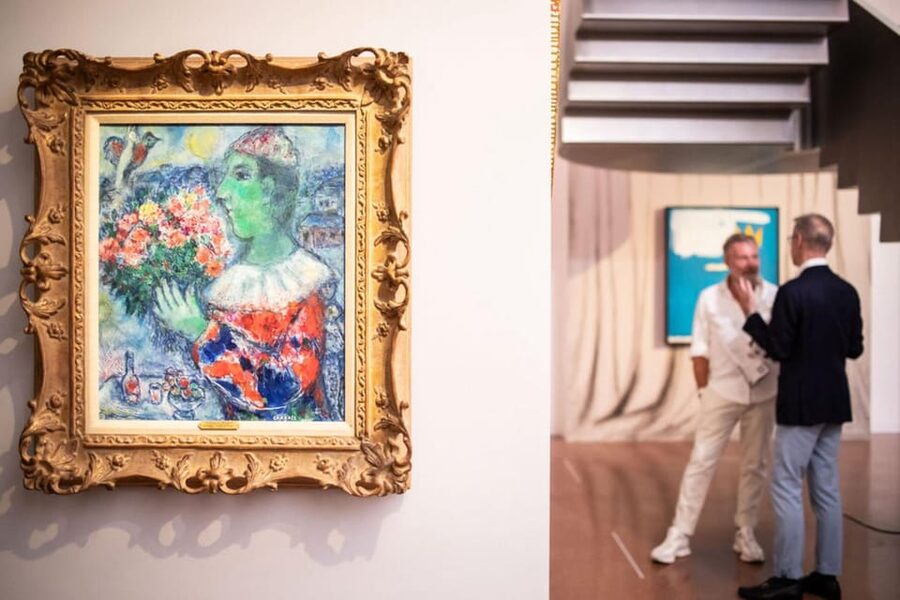
- A museum that’s built like an artwork, not just a room with paintings
- KLIMT ⇄ WARHOL as the permanent exhibition you’ll want to see slowly
- Sculpture garden outside first, so start your visit at street level
- The Tea Room on the first floor, designed like a stylish cabinet of curiosities
- Smartify audio guide included in English or German on your phone
- Temporary show The Line (until March 8, 2026) that connects art across decades
Entering the Heidi Horten Collection: quick validation, then art
Your visit is simple. Go straight to the museum’s turnstiles and validate your ticket on arrival. There is no separate guided-group start, so you control your pace, which matters in Vienna where you might also want to pair this with a coffee stop or a walk through the historic center.
The ticket is for entry into the museum, and it includes a free audio guide via Smartify on your mobile phone in either English or German. That is a smart setup if you want the context for what you’re seeing, without having to commit to a fixed schedule.
One more thing I’d plan around: this is a place that does not want you dragging big luggage around. Large bags are not allowed, and umbrellas are also not allowed. If you travel with a day pack, keep it light so you do not waste time worrying about storage.
More Habsburg-era halls and hangings:
- Vienna: Skip-the-Line Sisi Museum, Hofburg and Gardens Tour
★ 4.8 · 5,918 reviews - Vienna Kunsthistorisches Museum Day Admission Ticket
★ 4.6 · 3,690 reviews - Tickets for the Albertina Exhibitions
★ 4.7 · 2,126 reviews - Vienna: Chocolate Workshop in Chocolate Museum w/ Tasting
★ 4.5 · 1,802 reviews
Sculpture garden first: start in front of a former Habsburg palace
The best way to begin here is outside. The sculpture garden is located directly in front of the museum, and it sits where a former Habsburg city palace once stood. That setting is part of why this museum feels different from the usual “art building in a box.”
Take a few minutes in the garden before you head inside, because it changes your mindset. In most museums, you start with walls and labels. Here, you start with outdoor space and sculpture, so you ease into the modern side of the collection without feeling thrown into it.
You will also get an easy warm-up for the museum’s overall theme: art as something you experience with your body, not just your eyes. When you then step into the building and see the way the architecture shapes movement, the whole visit makes more sense.
The building is part of the show: total work of art energy
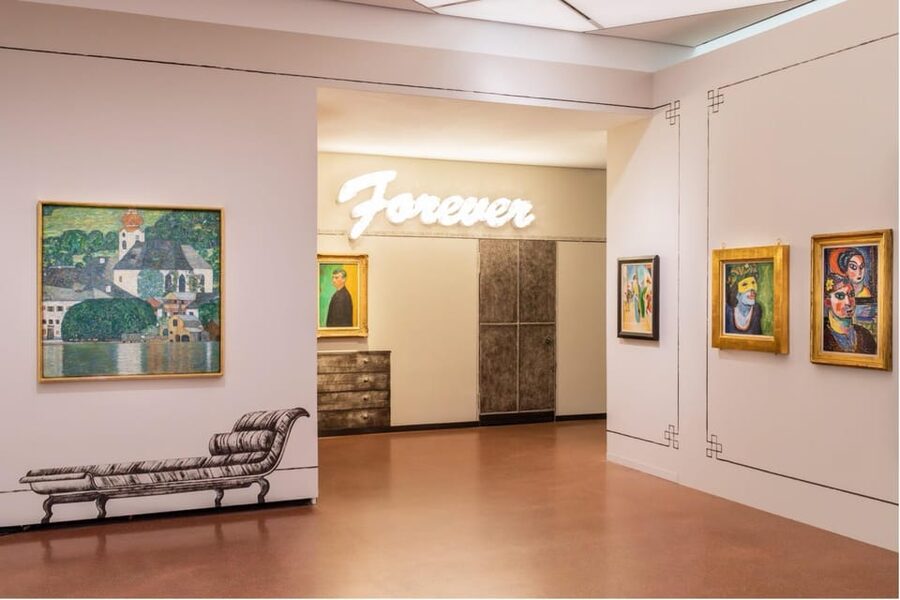
Inside, the Heidi Horten Collection is famous for its architecture, and it is hard to treat that as background. The building is designed as a total work of art, which means you should watch the space as closely as the objects inside it.
You get that feeling fast. Even before you reach the main permanent exhibition, the layout and design nudge you to look around, pause, and notice how the museum stages views and sightlines. It is the kind of place where you might turn a corner and immediately understand why the museum’s space is a highlight.
Then there is the Tea Room on the first floor, designed by Markus Schinwald and Hans Kupelwieser. It is described as a combination of parlour and cabinet of curiosities, with treasures and valuable handicrafts shown from three centuries. You can think of it as a reset button in the middle of the modern-art intensity. Instead of “just more exhibits,” it gives you a calm, focused atmosphere that makes the museum feel human and intimate.
If you are the kind of person who loves art history details, this room is where you can slow down. If you want a more hands-on, fast pace, it still works, because it functions like a mental break rather than a detour.
KLIMT ⇄ WARHOL. Modern Masterpieces: why the pairing matters
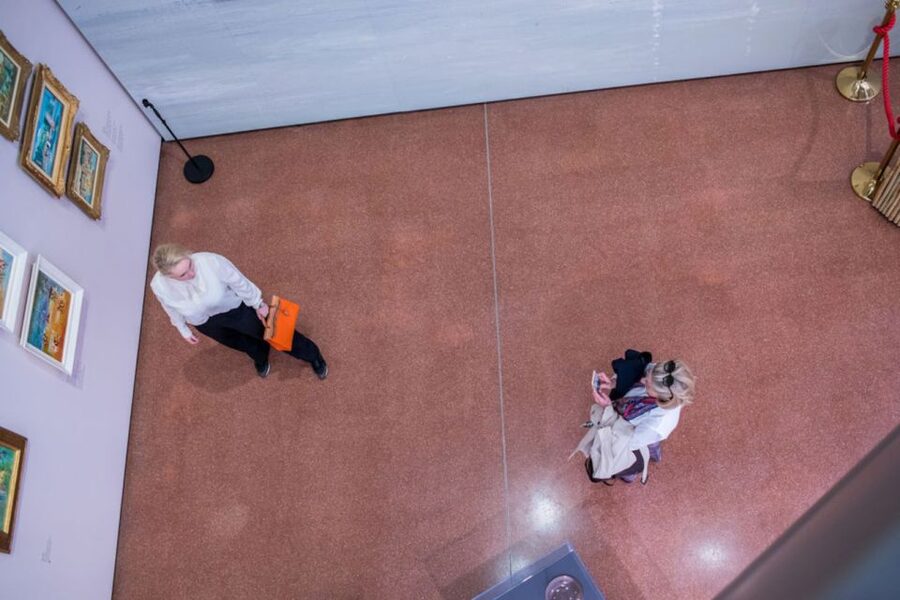
The permanent exhibition KLIMT ⇄ WARHOL. Modern Masterpieces is the anchor of the collection, and the concept is the hook. The exhibition connects images, icons, and ideas across time, using Gustav Klimt and Andy Warhol as the major reference points.
What I like about this setup is how it trains your eye. You can’t just treat it as a timeline. Instead, you notice how symbols and styles can become cultural shorthand. That makes the artworks feel less like museum fossils and more like living language.
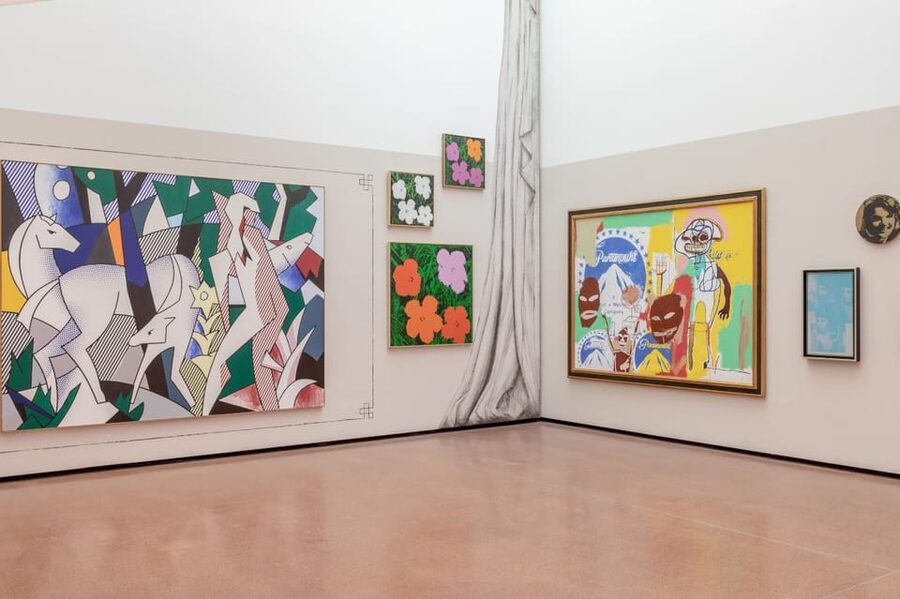
The show includes high-class paintings, drawings, and sculptures, and it covers major names you will recognize, including Francis Bacon, Jean-Michel Basquiat, Pablo Picasso, Paul Klee, Mark Rothko, Roy Lichtenstein, René Magritte, and Pablo Picasso, plus many others. It is a heavy-duty lineup, but the display design is described as architecturally and creatively unique, and that matters for your experience.
The exhibition display was designed by the Austrian artist Markus Schinwald. When you combine a curator’s concept with an artist’s approach to display design, you get a route that tries to guide how you read the works. In practice, that means you’ll probably want to spend more time in the rooms than you expect, because the presentation encourages you to compare, not just move on.
How long should you give it? In a 1-day museum entry, I would not rush KLIMT ⇄ WARHOL. If you only have enough energy for one “deep” section, make it this one.
Held over another night in Vienna


Use the Smartify audio guide like a mini-personal tour
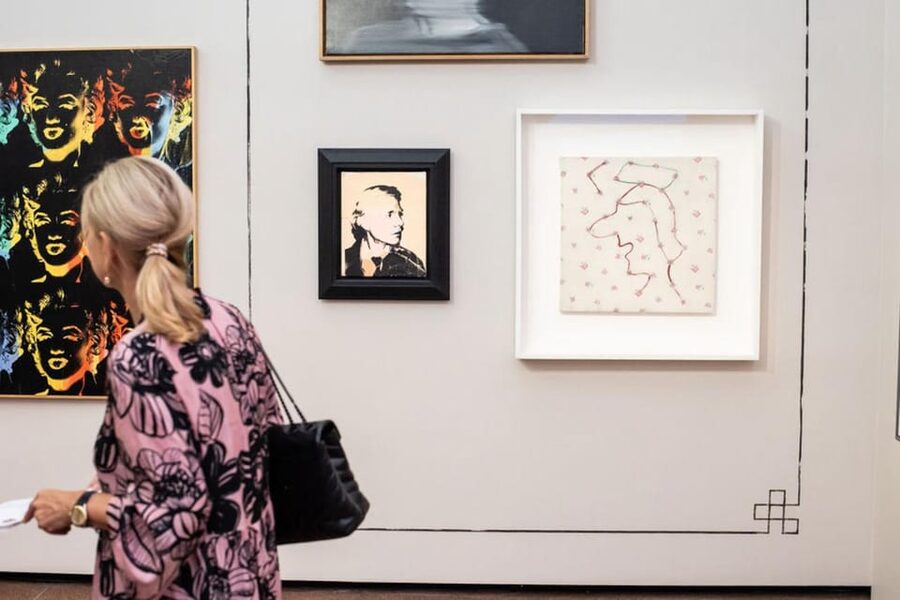
You get a free Smartify audio guide, available in English or German, included with your ticket. For many museums, an audio guide can feel optional. Here, it is a real value add because the art spans styles, symbols, and decades.
Use it as a tool for pacing. When the audio tells you what to look for, you can slow down without feeling lost. When it gives historical or conceptual context, you can connect what you see to bigger shifts in 20th-century art.
A practical tip, based on real-world annoyance: make sure your phone screen is bright enough and your ticket details are easy to read. There has been at least one booking issue where a ticket on a phone was not readable, so check your display before you arrive, and keep the ticket accessible offline.
Also, keep your phone charged. Vienna museums are not huge, but you will likely wander and pause a lot, and battery drain is a common problem.
The Line temporary exhibition: a simple idea with big art consequences
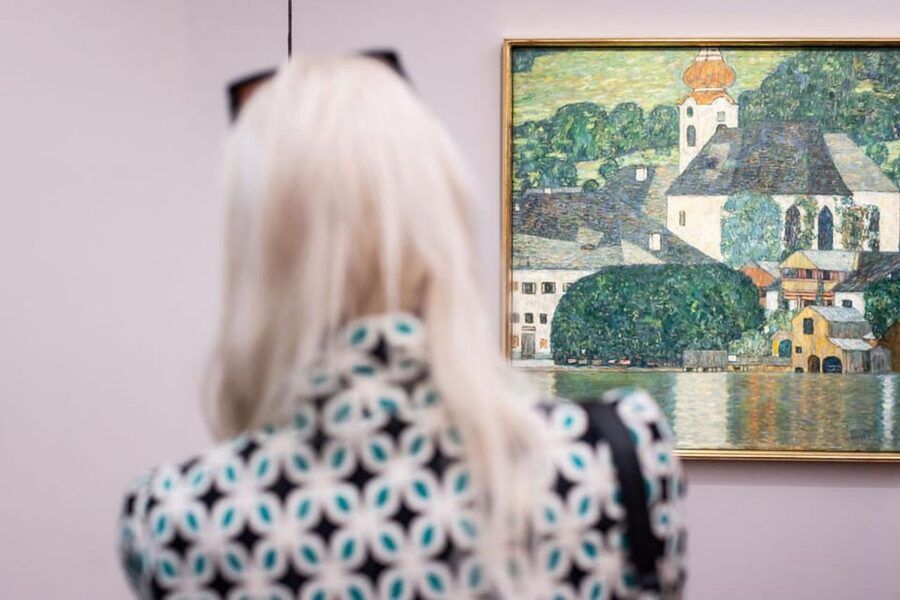
The temporary exhibition is called Die Linie / The Line, and it runs until March 8, 2026. The theme is the line as a fundamental element of art, and the show traces how that basic idea changes across places and decades.
This is a great match for modern-art visitors who want a clear entry point. Lines are everywhere in art, but this exhibition helps you see why they matter. The line can be drawing, symbol, structure, gesture, and even a kind of visual language.
The show is described as taking you from Vienna around 1900 through the art world of the 1960s to today. You will see masterworks by international artists including Paul Klee, Lucio Fontana, Roy Lichtenstein, Egon Schiele, Jackson Pollock, Agnes Martin, Andy Warhol, and Chiharu Shiota, among others.
Why this temporary show is valuable, beyond the names: it gives you a way to connect different galleries. Even if you are not memorizing who made what, you start noticing how artists use lines to control motion, emotion, and meaning.
If you love modern graphic energy, this one will likely pull you in faster than you expect. If you prefer more classic painting, do not worry. The concept stays readable even when styles shift.
Pacing your 1-day ticket: what to prioritize
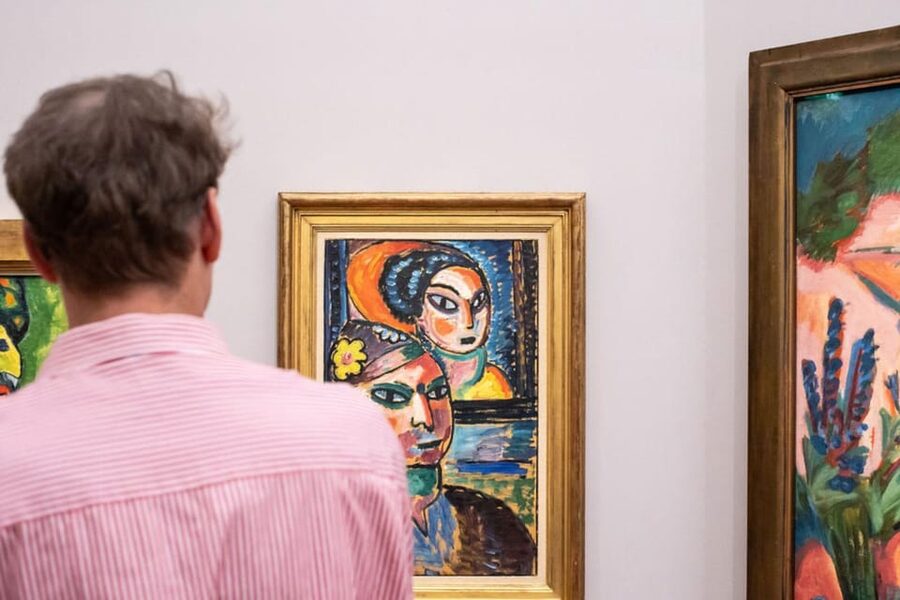
You have a full day (the ticket is valid for 1 day), but modern and pop art museums can still feel like sprinting unless you pick a plan. Here’s a realistic approach I recommend.
First, do the outdoor sculpture garden and then hit the building’s key interior spaces like the Tea Room on the first floor. That warms up your eyes and gets you into the museum’s design mindset.
Next, commit time to the permanent exhibition KLIMT ⇄ WARHOL. Modern Masterpieces. If you start skimming too early, you lose the payoff of comparing the artists and eras. Let the ideas connect.
Finally, add The Line until March 8, 2026. If you run out of energy, prioritize the rooms where the line shows up most clearly as a concept. This is one exhibition where you can still enjoy it even if you cannot see every single work at the same depth.
One more logistics note that helps your day run smoother: flash photography is not allowed, and you should avoid umbrellas. Keep your day bag small so you can move through the spaces without friction.
Price and value: how much you really pay for what you get
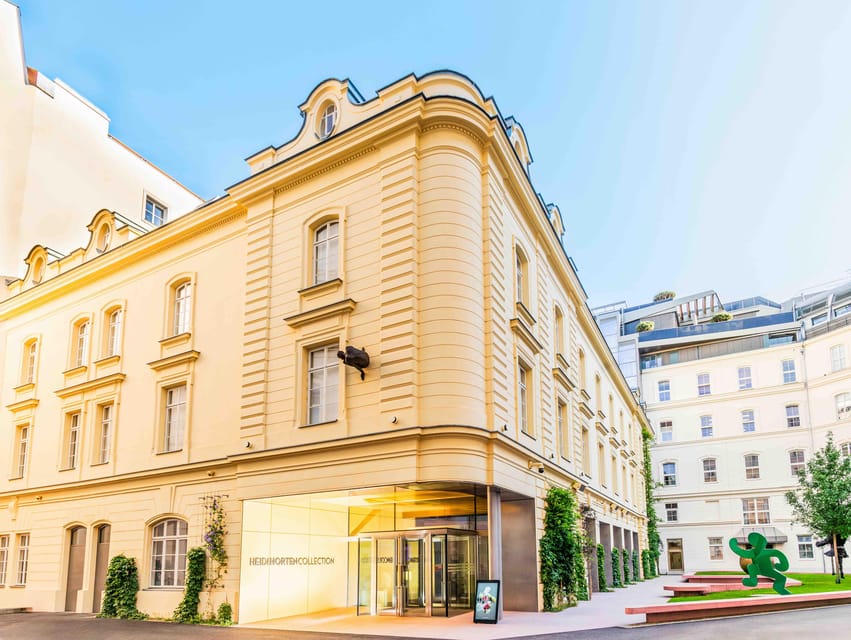
At the time of your ticket price listing, it is about $18 per person. That sounds straightforward, but the real value comes from what is included.
You are paying for entry to a modern and pop art museum in a historic-center location, with free Smartify audio guide access in English or German. That audio guide is not an add-on you have to hunt down, and it helps you get more out of a collection where context matters.
There’s also a seasonal discount detail to remember: from March 9 to March 26, 2026, only one floor of the museum is accessible, and the entrance ticket price is reduced from EUR 16 to EUR 12. If you are traveling during those dates, you still get the experience, but the space is more limited. I’d use that to plan your priorities, especially if you care most about a particular section.
So is it worth it? If you like modern art concepts, the KLIMT ⇄ WARHOL idea plus The Line gives you two strong “reasons to be here,” not just a list of famous names. If you want only classical or only a narrow genre, you might feel the museum is asking you to keep a wide mind, in which case it helps to use the audio guide to keep your bearings.
Should you book the Heidi Horten Collection ticket?
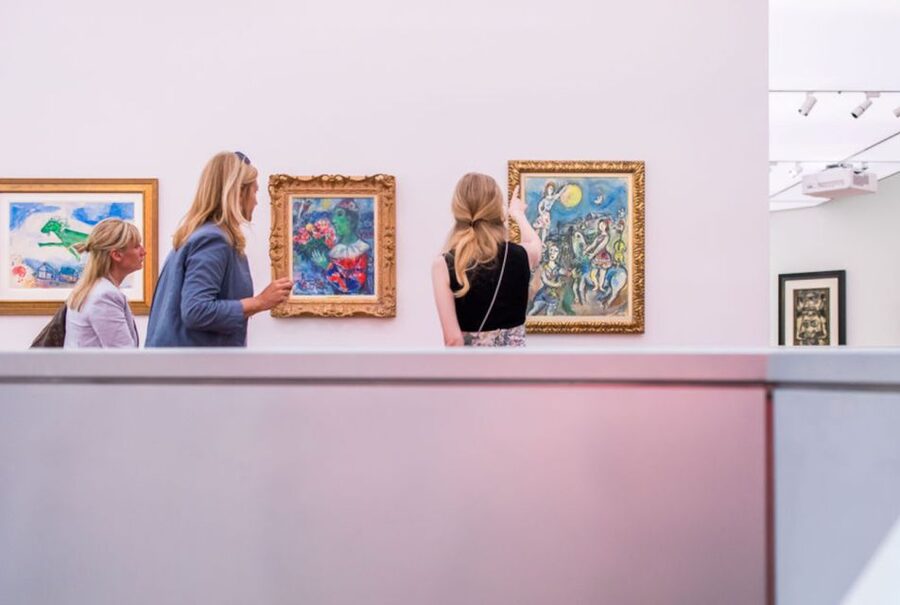
I think you should book this ticket if you want a modern-art museum that is more than walls and labels. The big reasons are the architecture as part of the experience, plus the way KLIMT ⇄ WARHOL frames art as a conversation across time. Add the included Smartify audio guide and the line-themed temporary show, and you get a lot of meaning for a single admission price.
Skip it if you only do very small museums or you strongly prefer guided tours with a fixed route. This ticket is built for self-paced exploring, and the payoff depends on you spending time in the galleries, not just passing through.
One last decision helper: if your Vienna day is crowded with sights, this is still a good choice because you can shape it. You can spend more time in the permanent exhibition, or you can focus on the theme of lines and enjoy the temporary exhibition more heavily. Either way, you get that satisfying feeling of seeing how modern art thinkers build with simple elements.
FAQ
How do I enter the museum?
Go directly to the museum turnstiles and validate your ticket there.
Is the audio guide included, and what languages are available?
Yes. A free Smartify audio guide is included on your mobile phone, with options in English or German.
How long is the ticket valid?
The ticket is valid for 1 day.
What are the main exhibitions included with entry?
You can visit the permanent exhibition KLIMT ⇄ WARHOL. Modern Masterpieces and the temporary exhibition Die Linie / The Line, which runs until March 8, 2026.
What items are not allowed inside?
Large bags, pets (assistance dogs allowed), flash photography, and umbrellas are not allowed.
Are there any special dates when the museum has reduced access?
Yes. From March 9 to March 26, 2026, only one floor of the museum is accessible and the entrance price is reduced.
Is the museum wheelchair accessible?
Yes, the museum is wheelchair accessible.
Just added to the bill for Vienna


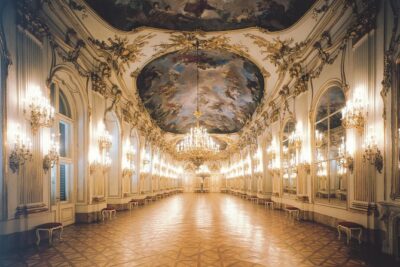


Museums, compared.

Skip-the-Line Sisi Museum, Hofburg and Gardens Tour
Read our review →
Vienna Kunsthistorisches Museum Day Admission Ticket
Read our review →

Chocolate Workshop in Chocolate Museum w/ Tasting
Read our review →

St. Stephen’s Cathedral & Dom Museum Wien Tickets
Read our review →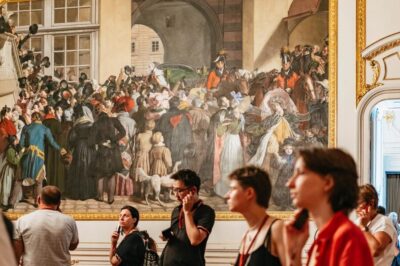
Browse the lists this tour appears in