
REVIEW · SIGHTSEEING & CITY TOURS IN VIENNA
Vienna: historical tours with locals in the unknown City,
Vienna has secrets, even near the center. On this 1 to 3 hour walk with local guide Nicole, I love how Viennese legends turn ordinary corners into story stops, and I love the focus on winding, lesser-known streets that connect medieval details to today’s city. The only real catch is that it is still a walking tour, so you need comfortable shoes and a willingness to move at city pace.
What makes this one feel special is the mix of art, music, and architecture, with a highlight at the Deutscher Orden Haus tied to Mozart. You also get the spooky-cool side of Vienna through stories of monsters, including how locals explain them and how people try to get rid of them. With a small group limited to 10, your guide can keep questions coming, and in rare cases the tour may run in two languages depending on how the group is booked.
In This Review
- Key highlights to look for
- Getting your bearings fast in Vienna’s historic core
- Why the “unknown Vienna” concept actually works
- The route through centuries: medieval to modern without feeling rushed
- Mozart and the Deutscher Orden Haus stop you’ll remember
- Monsters, legends, and the Vienna mindset
- Re-Catholization traces: what to watch for on the street
- Pace, small group size, and how the tour treats your time
- Value check: is $43 worth a small-group “unknown Vienna” walk?
- Who should book this tour, and who might skip it
- Should you book this unknown Vienna tour?
- FAQ
- How long is the tour?
- How much does it cost?
- Where do I meet, and where does the tour end?
- What languages are offered?
- Is the tour wheelchair accessible?
- Can I record video or audio during the tour?
- Should I eat before the tour?
- What is the cancellation policy?
Key highlights to look for
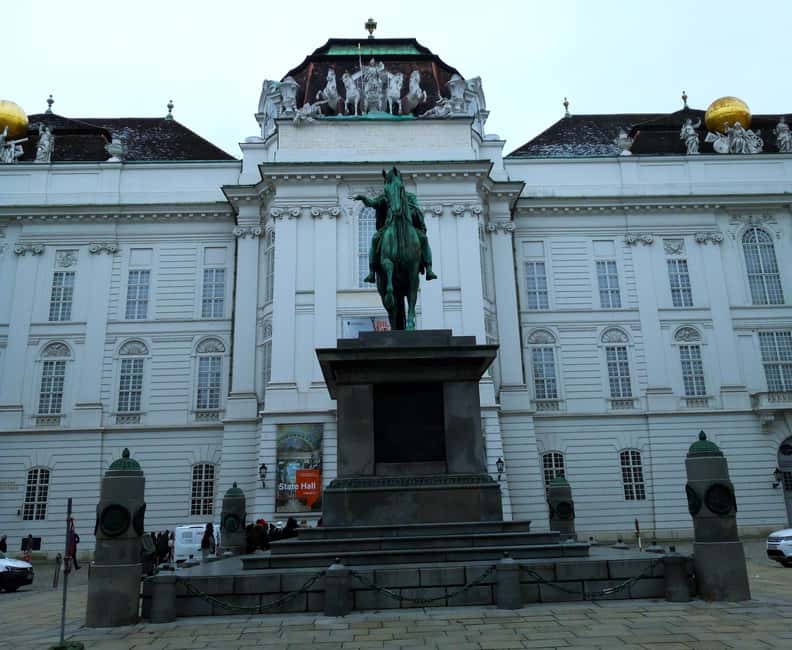
- Mozart’s concert hall at Deutscher Orden Haus, placed in a real neighborhood context instead of a quick photo stop
- Legends, monsters, and local folklore, with origins, meaning, and how Vienna people respond to these stories
- Winding streets that locals use, helping you learn the city layout in a way guidebooks rarely do
- Architectural traces of re-Catholization, showing how faith and power shape what you see on the street
- 13th to 21st century connections, from Gothic and Renaissance to Baroque, Art Nouveau, and modern buildings
Getting your bearings fast in Vienna’s historic core
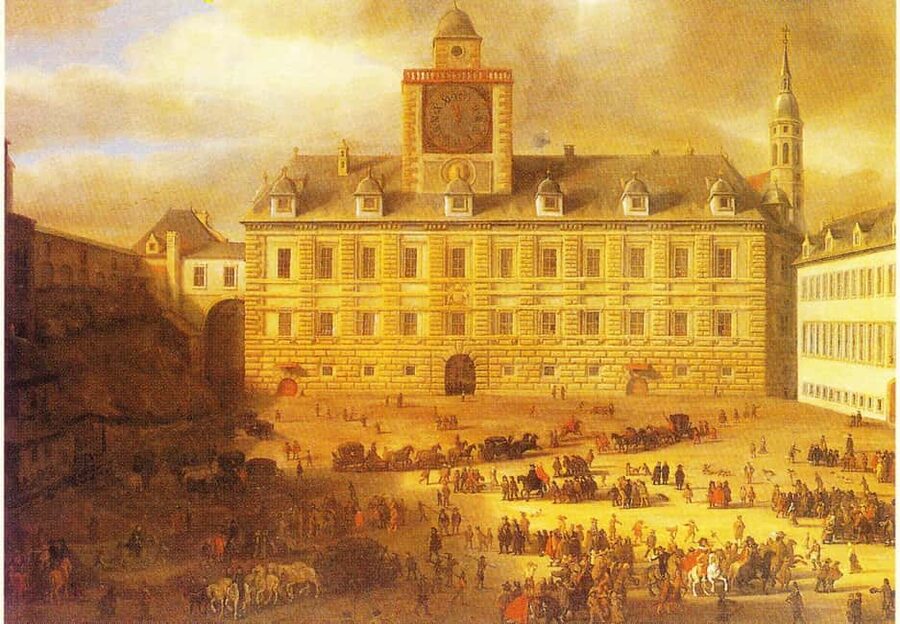
This tour is built for people who want more than the usual highlights. You start around the Georg-Coch landmarks (options include Georg-Coch-Platz and Georg-Coch-Denkmal), then work through the Historic Center area. It is a smart way to see Vienna’s inner-city structure early in your trip, because streets, sight lines, and building styles start to make sense as you go.
I like that the route aims to include parts of Vienna that many visitors skip. The city center can feel repetitive if you only focus on big-ticket sites. Here, you learn to read the city like a map, using small clues in architecture and street patterns.
Because it is a walking experience, pace matters. Expect uneven old streets and regular stops for explanations, so planning light footwear and a relaxed attitude makes a difference.
More Sightseeing & City Tours in Vienna
- Vienna: Guided Walking Tour of City Center Highlights
★ 4.7 · 4,989 reviews - Vienna: City Cruise with Optional Lunch
★ 3.4 · 3,982 reviews - Vienna: City Cruise
★ 3.3 · 2,978 reviews - Vienna: Guided Walking Tour of City Highlights & Hidden Gems
★ 4.9 · 2,180 reviews
Why the “unknown Vienna” concept actually works
The phrase unknown Vienna can sound like marketing. In this case, it is more practical than poetic. You will walk past architecture from multiple eras close together, which is one of the easiest ways to understand how Vienna changed over centuries.
The tour also frames what you see with stories. That matters because buildings can look similar at first glance, especially when you are moving quickly. When you hear how a place fit into music patronage, politics, or religious shifts, the details stop being background noise.
You also get a local-style narrative thread: the city’s identity gets shaped by power struggles, cultural movements, and the constant reshaping of neighborhoods. Vienna is not just an elegant postcard. It is a place where crises, wars, and big political transitions left marks you can still spot.
The route through centuries: medieval to modern without feeling rushed
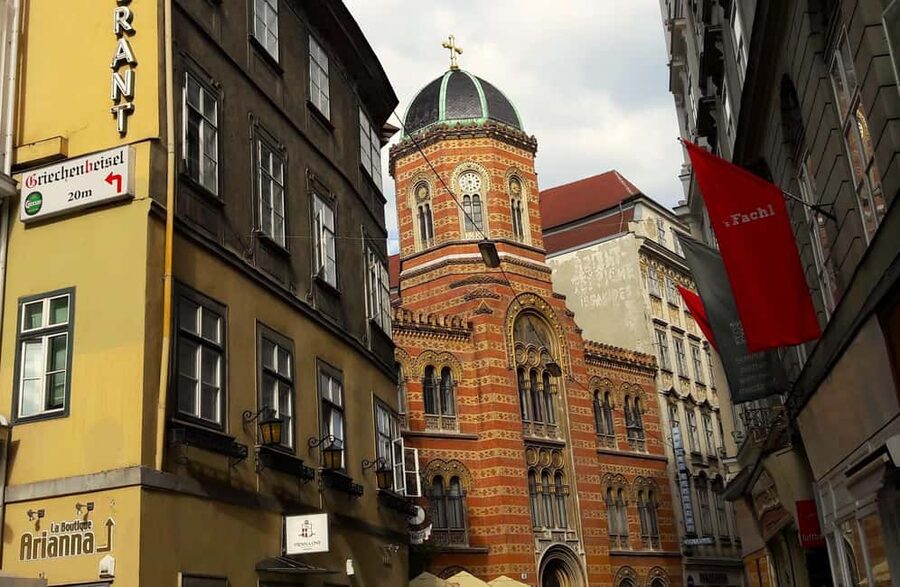
You are looking at a time span that stretches from the 13th century to the present. Along the way, the story bridges big historical turning points, including the era of the Ottoman Wars and the eventual end of the Habsburg Monarchy. The result is a kind of walking timeline where you can connect political change to stone, streets, and design.
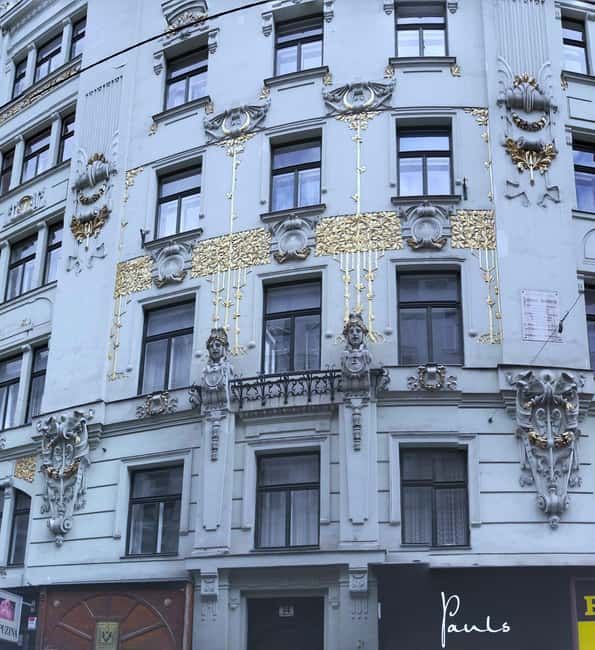
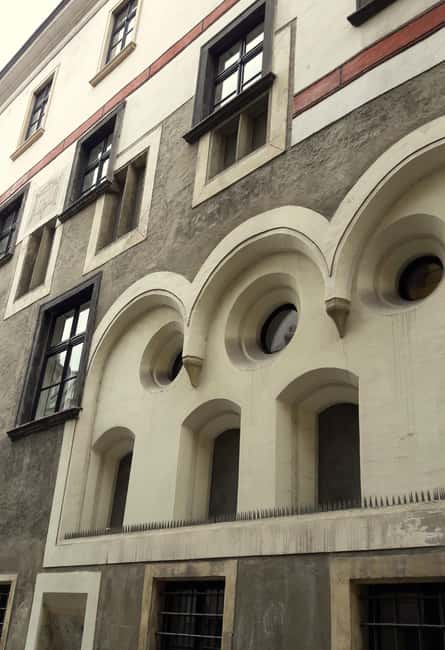
The building styles you notice are part of the point. You move through areas where Gothic, Renaissance, and Baroque structures sit near later developments. Then you see transitions into Art Nouveau and even newer modern buildings, with traces of earlier eras still present or repeated in new forms.
This is one of the best ways to understand Vienna’s “layer cake” feel. If you only visit isolated monuments, you might miss how the city keeps rewriting itself. This tour trains your eye to spot the evidence of those rewrites.
Mozart and the Deutscher Orden Haus stop you’ll remember
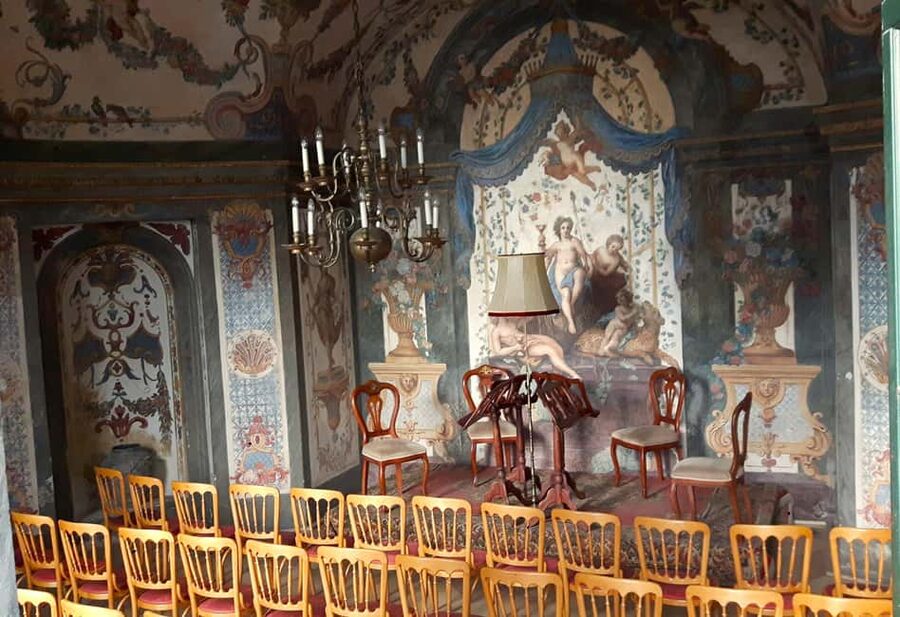
One of the clearest wow moments is the stop tied to Mozart’s concert hall at the Deutscher Orden Haus. Rather than treating Mozart as a name on a brochure, this kind of visit gives you a sense of how music spaces were part of city life and patron culture.
What I like here is the realism. Vienna’s musical world did not float in a vacuum. It belonged to specific buildings, specific institutions, and specific streets. When you connect Mozart to a physical location, you start noticing patterns: where similar cultural spaces appear, and why certain neighborhoods grew around them.
If you are a classical music fan, this stop gives you a stronger mental anchor. If you are not, the architectural context still works, because your guide ties the building into the broader story of Vienna’s changes.
More centuries of the Habsburg map:


Monsters, legends, and the Vienna mindset
Vienna has plenty of spooky folklore, but this tour treats it like more than entertainment. You hear legends about Vienna with origins and significance, then you get monster stories with a practical angle, including how locals explain them and how Vienna people try to get rid of them.
A fun detail from the experience is that the stories can include creatures like the baselisk, which shows how folklore can travel through time in different forms. You learn how these legends stick around because they explain fear, identity, and community behavior in a city that went through major shocks.
If you enjoy myth plus real places, this is where the tour feels most alive. You are walking through streets while your guide turns them into a stage for the past. That makes it easier to remember what you saw, because the story attaches emotion to architecture.
Re-Catholization traces: what to watch for on the street
Another standout theme is the architectural evidence of re-Catholization of the Viennese. Even if you do not consider yourself a history person, you can still benefit because your guide helps you look past the modern surface.
This is the kind of detail that makes Vienna make sense as a living city. Religious and political shifts often show up in rebuilding campaigns, architectural choices, and how institutions occupy space. When you see those traces, you start to understand why certain areas feel formal, ceremonial, or power-centered.
Practically, this means you will walk and look with intention. Instead of taking in one building at a time, you learn how layers of conversion and rebuilding can influence what still stands, what was altered, and how new styles were added over older foundations.
Pace, small group size, and how the tour treats your time
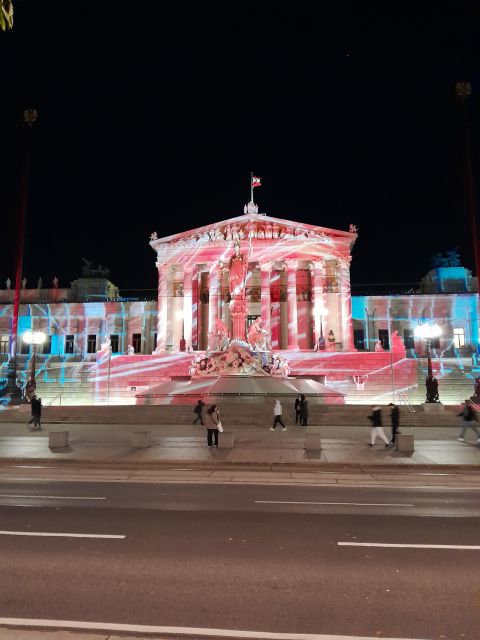
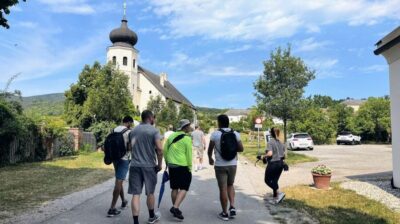
The group size is limited to 10 people, which is a big deal for a walking tour. With a smaller group, your guide can manage stop lengths, keep everyone together, and answer questions without turning it into a chaotic shuffle.
Duration is listed from 1 to 3 hours, and you should plan based on that range. If you are on a tight schedule, choose the shorter slot. If you want more story and more stops, go for the longer option.
You will want to think about timing too. Eating something before you start is strongly recommended, because you are out walking and listening, not just strolling for photos. Also, a quick reminder: the tour is not suitable for wheelchair users, since it is a walking route through the historic center.
Value check: is $43 worth a small-group “unknown Vienna” walk?
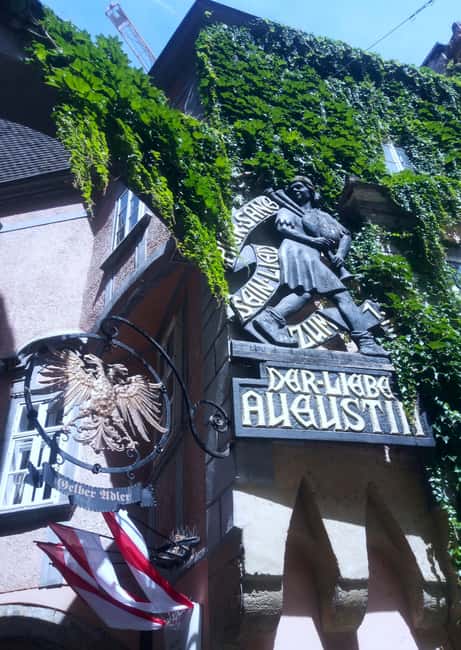
At $43 per person, this tour is priced like a mid-range walking experience, and the value comes from two things: focus and guidance. You are not paying for a generic loop of famous sights. You are paying for a local narrative plus attention to streets and building traces you likely would miss on your own.
The highlights you get are also concentrated. Mozart-related context at Deutscher Orden Haus, monster and legend storytelling, and visible architectural themes like re-Catholization are not random add-ons. They form a coherent theme: Vienna as a city that explains itself through stories, institutions, and architecture.
The small group limit is part of the value equation. More crowd means less attention. Here, the cap of 10 helps your guide keep momentum and still allow questions.
Who should book this tour, and who might skip it
This tour is a great fit if you:
- Want a walk that teaches city layout, not just famous landmarks
- Enjoy music-linked storytelling tied to real buildings
- Like folklore, monsters, and legends with place-based context
- Prefer small groups and a guide who can adapt questions and pacing
You might reconsider if you:
- Hate walking tours or expect everything to be flat and easy
- Need wheelchair accessibility, since it is not suited for wheelchair users
- Want strictly museum-style stops instead of street-level architecture viewing
If you are trying to decide what to do on day one or day two in Vienna, this is also an easy choice. It gives you orientation and a way to interpret what you see later.
Should you book this unknown Vienna tour?
Yes, if your idea of a great Vienna day is learning to read the city while walking through the messy middle between eras. The combination of legends, Mozart-era context at Deutscher Orden Haus, and architectural traces like re-Catholization gives you multiple entry points, even if you are not a hardcore history nerd.
If you are choosing between “classic sights only” and “stories plus street-level architecture,” this one leans toward the second option in a satisfying way. Just bring comfortable shoes, start with a snack, and expect a thoughtful walking tour rather than a quick highlights sprint.
FAQ
How long is the tour?
The duration is listed as 1 to 3 hours. You can check availability to see which starting times match your schedule.
How much does it cost?
The price is $43 per person.
Where do I meet, and where does the tour end?
The meeting point may vary depending on the option you book. Starting options include Georg-Coch-Platz and Georg-Coch-Denkmal. Drop-off locations include Lugeck, Neuer Markt 13 (1010 Wien), and Café Central (1010 Wien).
What languages are offered?
The live guide offers German and English. In rare cases, the tour may be conducted in two languages, depending on group bookings.
Is the tour wheelchair accessible?
No, it is not suitable for wheelchair users.
Can I record video or audio during the tour?
No. Video recording and audio recording are not allowed, and recording any explanations is strictly prohibited.
Should I eat before the tour?
Yes. The activity recommends that you eat something before you start.
What is the cancellation policy?
You can cancel up to 24 hours in advance for a full refund.
Just added to the bill for Vienna
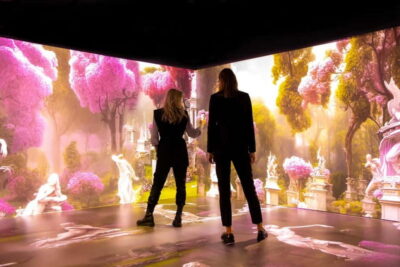
Sightseeing & City Tours in Vienna, compared.
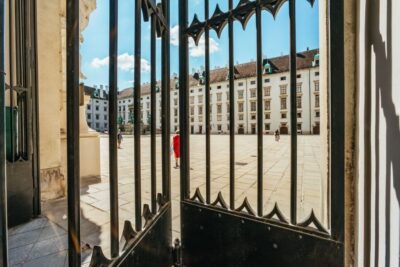
Guided Walking Tour of City Center Highlights
Read our review →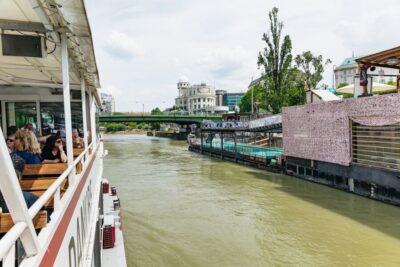
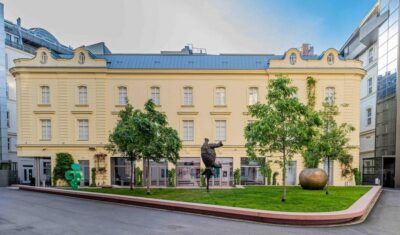
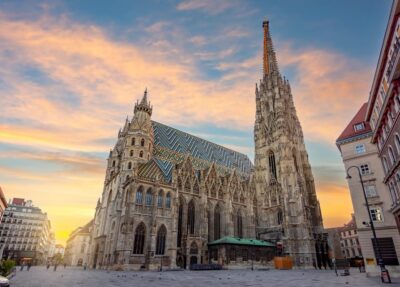
Guided Walking Tour of City Highlights & Hidden Gems
Read our review →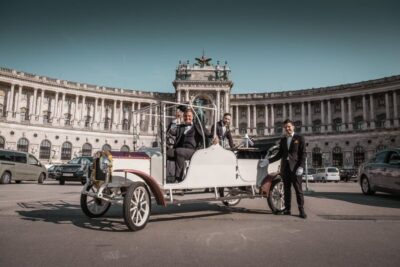
City Sightseeing Tour in an Electro Vintage Car
Read our review →
Skip-the-Line Schonbrunn Palace Guided Tour and Vienna Historical City Tour
Read our review →
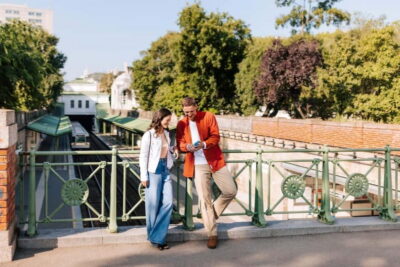
Vienna City Card: Public Transport incl. 200+ discounts
Read our review →Browse the lists this tour appears in