
REVIEW · MUSEUMS
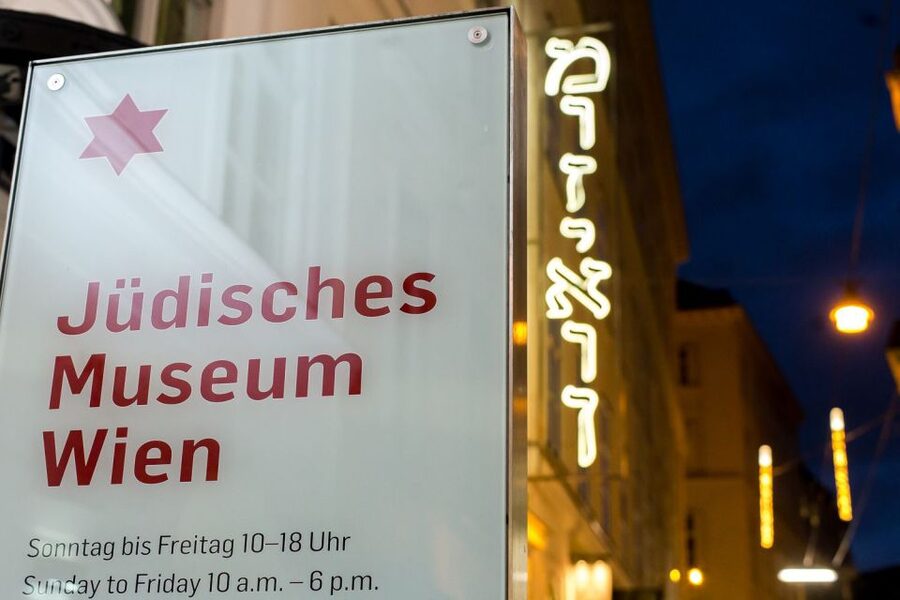
Vienna: Jewish Museum Vienna and Museum Judenplatz Tickets
Vienna’s Jewish story leaves a mark. With Jewish Museum Vienna tickets, you get a smart, place-based way to understand how Jewish life in Austria shaped the city, and how it was impacted by the 20th century. I love that the museum organizes big ideas with real objects, so it feels grounded instead of abstract. I also like that you can move at your own pace, using the English or German audio guide when you want the extra layer. One thing to plan for: the content covers discrimination and the Holocaust in a frank way, so if you prefer light, upbeat museum time, this may feel heavy.
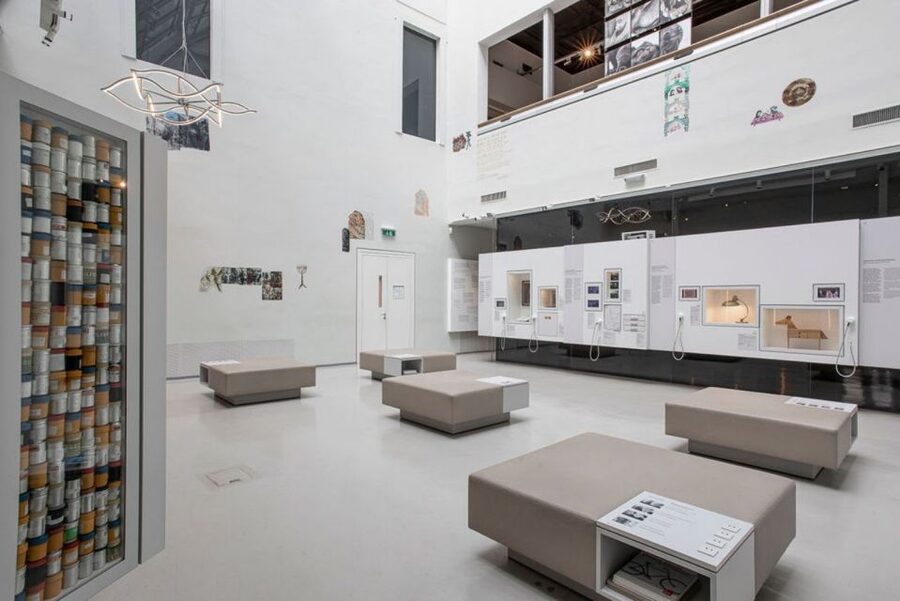
My favorite part is the structure of the main permanent show at Dorotheergasse. The exhibition walks you from post-1945 life on the ground floor, then takes you back through the Middle Ages and onward upstairs, with multimedia support to connect the dots. You also get strong context for where objects came from, including synagogues and collectors, which turns the displays into a story of specific places and people.
The main drawback is pacing. Some visitors find it a bit like reading a thoughtful book, because you spend time with text, images, and guided audio rather than “hands-on” surprises. If you want constant action, you might wish you had more short breaks or less time in one gallery at a stretch.
In This Review
- Key things I’d focus on before you go
- Two Sites, One Ticket: Dorotheergasse and Judenplatz
- Jewish Museum Vienna on Dorotheergasse: Our City Then to Now
- Ground Floor: 1945 to the Present, and the stubborn rebuilding
- Second Floor: From the Middle Ages to the Holocaust
- Collections With Provenance: Why origins like Max Berger matter
- Museum Judenplatz: Medieval synagogue foundations and the 3D reconstruction
- Temporary exhibitions and events: use them to personalize your visit
- Audio guide in English and German: how to use it well
- Value for $17: two museums, one coherent narrative
- Who this suits best, and who should adjust expectations
- Should you book Jewish Museum Vienna and Museum Judenplatz tickets?
- FAQ
- What locations are included in the Jewish Museum Vienna and Museum Judenplatz ticket?
- How much does this ticket cost?
- How long is the ticket valid after you start using it?
- Is an audio guide included, and what languages are available?
- Is the experience wheelchair accessible?
- Can I cancel and get a full refund?
Key things I’d focus on before you go
- Two locations in one ticket: Dorotheergasse for the main exhibitions, Judenplatz for the medieval synagogue remains
- Then to Now at Dorotheergasse: the show starts with 1945 and moves backward through centuries
- A 3D medieval synagogue reconstruction: you can visually grasp what used to be there
- Objects tied to origins: items are placed in historical context, including synagogues and named collectors like Max Berger and Martin Schlaff
- A museum that makes room to pause: many people appreciate that it is organized well and offers places to sit
Two Sites, One Ticket: Dorotheergasse and Judenplatz
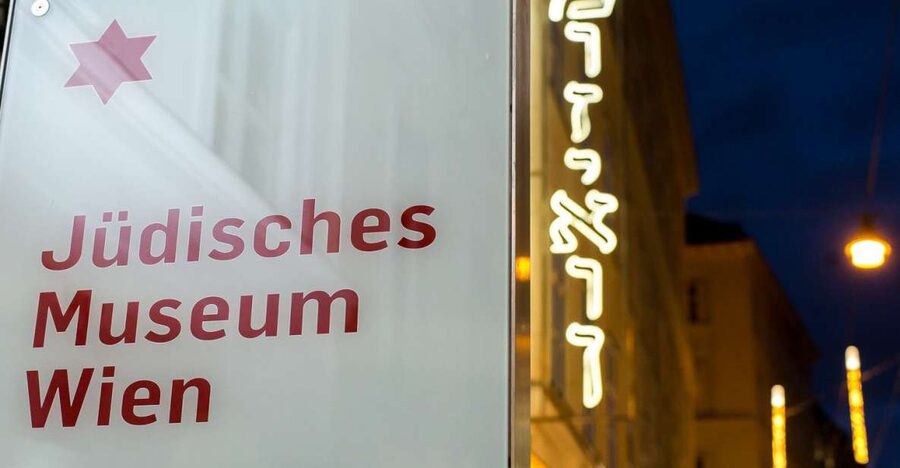
This ticket covers both locations: Jewish Museum Vienna at Dorotheergasse 11, and Museum Judenplatz at Judenplatz 8. Both are in Vienna’s central area, close to major sights like St. Stephen’s Cathedral, which makes it easy to plug this into a regular sightseeing day.
I like planning these as two “chunks,” not one marathon. The Dorotheergasse site is where the main permanent exhibition lives, plus temporary exhibitions. The Judenplatz site is more compact, but it hits hard because it ties the story to the physical foundations of a medieval synagogue. If you’re short on time, you can still see both in a morning, but if you want to read carefully and use the audio guide, set aside more than a quick pass.
Also, the tickets give you flexibility. Your pass is valid for 3 days from first activation, and the overall ticket validity is described as valid for 4 days from the date of issue. Translation: you can choose your exact day and still avoid feeling trapped in a single timed slot.
More Habsburg-era halls and hangings:
- Vienna: Skip-the-Line Sisi Museum, Hofburg and Gardens Tour
★ 4.8 · 5,918 reviews - Vienna Kunsthistorisches Museum Day Admission Ticket
★ 4.6 · 3,690 reviews - Tickets for the Albertina Exhibitions
★ 4.7 · 2,126 reviews - Vienna: Chocolate Workshop in Chocolate Museum w/ Tasting
★ 4.5 · 1,802 reviews
Jewish Museum Vienna on Dorotheergasse: Our City Then to Now
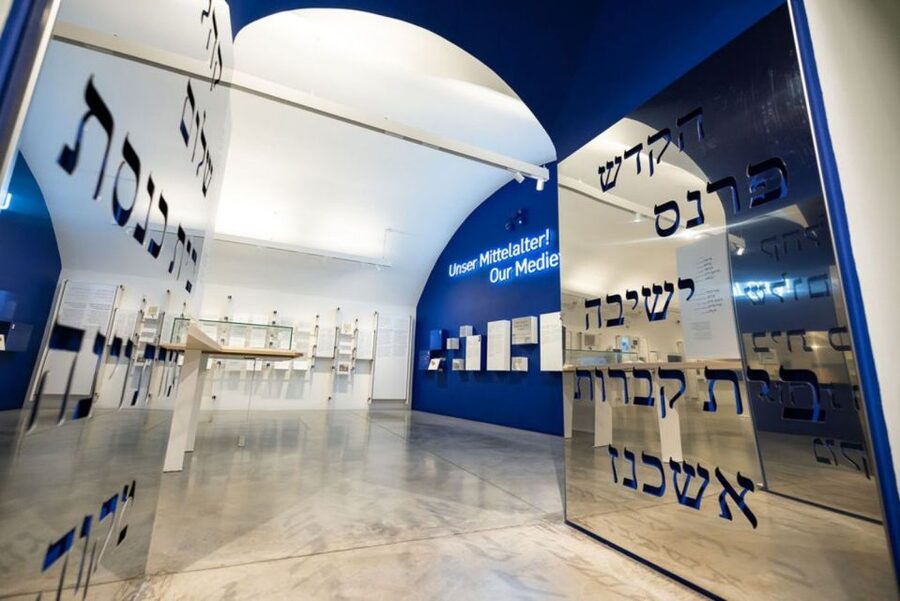
The main house at Dorotheergasse is housed in an older palace near St. Stephen’s Cathedral. That matters, because the building itself helps you feel how Vienna keeps layers of the past. Inside, the permanent exhibition is called Our City! Jewish Vienna – Then to Now, and it’s built like a time machine with clear signposting.
Here’s what I like about the approach: instead of presenting Jewish history as a side chapter, the museum frames it as part of Vienna’s story. You start with the modern era, then work backward toward medieval roots and earlier community life. That sequencing makes it easier to understand what changed, what persisted, and what was violently erased.
If you prefer museums that don’t feel overcrowded, this works well. People consistently report both locations as well organized, with manageable crowds, and with seating where you can rest without losing the thread of the exhibits.
Ground Floor: 1945 to the Present, and the stubborn rebuilding
The ground floor starts in 1945 and runs to the present day. You see how a community that was almost completely destroyed developed again over time, even when post-war Austrian policies created resistance and limits. That’s an important detail. It’s not just a “then and now” timeline, it’s a reminder that history continues to shape everyday life long after the war ends.
The story here is about survival and rebuilding under constraints. You can expect visuals and explanations that show how Jewish Vienna became modest in size yet still diverse in character. For me, this part is valuable because it resists the idea that history is only the dramatic moments. It focuses on the slow work of maintaining community life, faith, culture, and institutions after catastrophe.
Second Floor: From the Middle Ages to the Holocaust
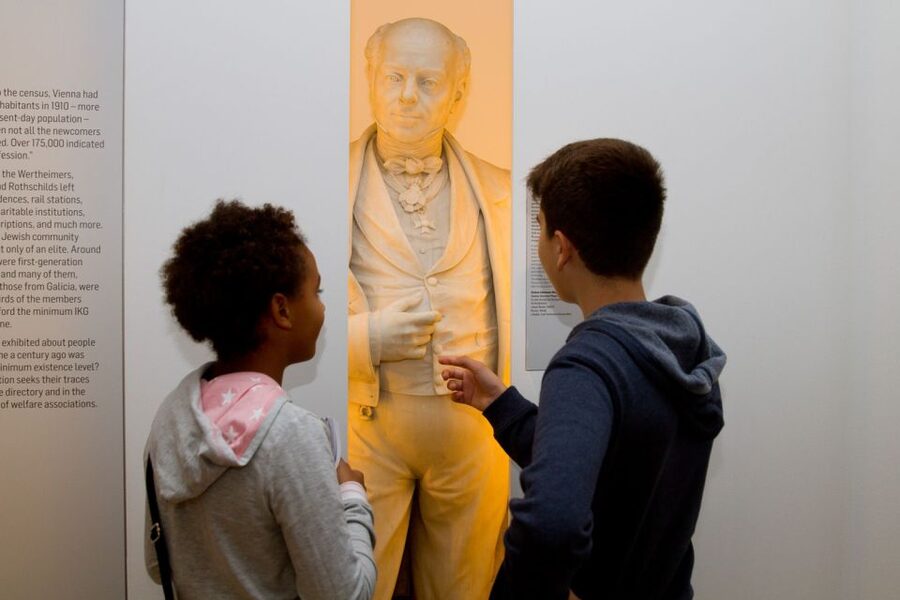
After the modern start, the exhibition shifts you back to Jewish Vienna from the Middle Ages to the Holocaust. This is where many visitors feel the biggest emotional weight, because the museum is honest about suffering while staying factual and not sensational.
A multimedia guide is included, and that support helps connect objects to broader events and daily life. I find that especially useful in this kind of museum, because names, dates, and places can otherwise blur together if you only read labels.
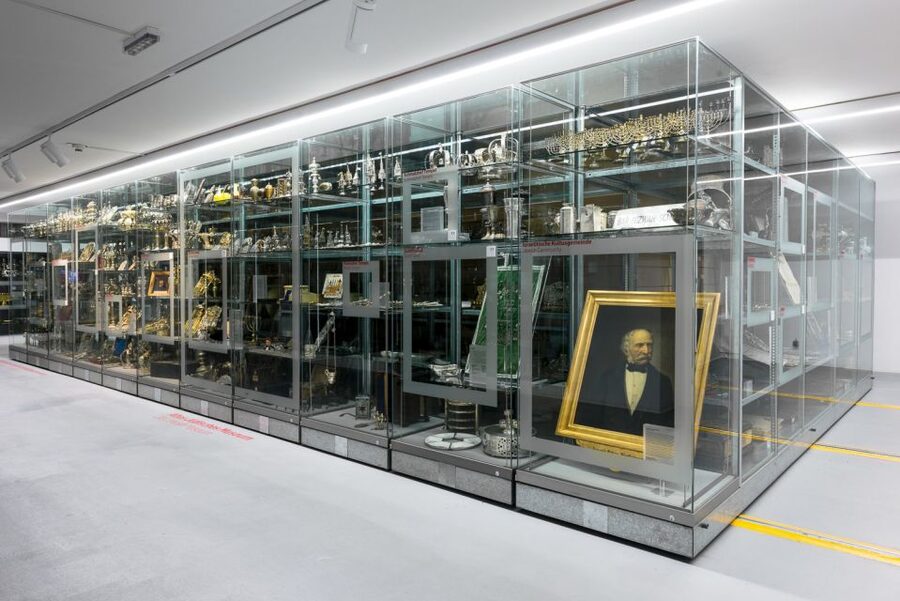
The museum also places objects into historical context and links them to where they came from, such as synagogues or specific collectors. That moves the exhibit beyond a general overview and turns it into a more human map of how Jewish life was built and preserved.
Held over another night in Vienna

Collections With Provenance: Why origins like Max Berger matter
One of the most practical strengths of the Dorotheergasse exhibitions is how they treat provenance. The museum doesn’t just show you something and say it is old. It explains how objects relate to their origins, including synagogues and collectors such as Max Berger and Martin Schlaff.
Why does that matter to you? Because it changes how you look. Instead of thinking of artifacts as “museum pieces,” you start seeing them as items carried through real communities. You understand that museums are not only about display, they are also about memory, collecting, and interpretation.
You’ll also notice the exhibition is built with illustration and clear layout. Many visitors appreciate that it’s well illustrated and thoughtfully organized, which helps if you’re visiting with kids, teens, or adults. Some people also mention the museum being appropriate for a wide age range, as long as you’re ready for serious material.
If you want extra help interpreting what you’re seeing, pay attention to the audio guide and the multimedia support. There are also guides and staff who get praise for turning complex themes into clear, engaging explanations, including people named Miki, Wolfgang, and Victoria. Even if you mostly stick to self-guided audio, it’s worth knowing the museum has a strong culture of interpretation.
Museum Judenplatz: Medieval synagogue foundations and the 3D reconstruction
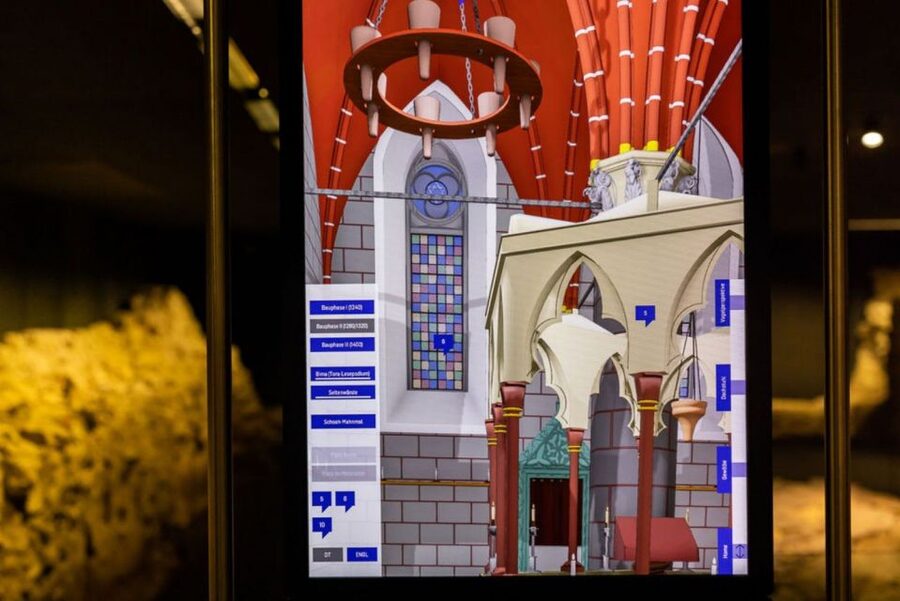
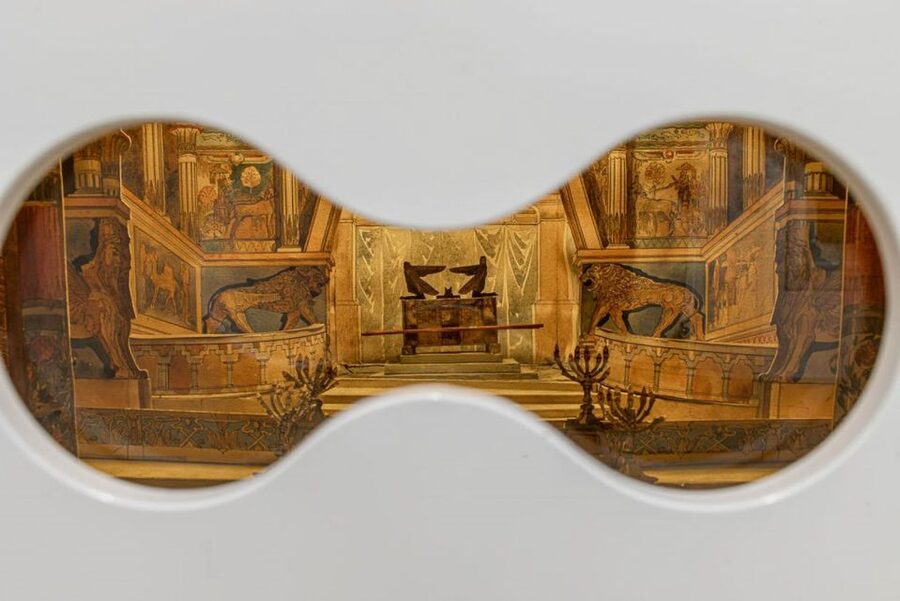
Museum Judenplatz is where the story gains physical grounding. Instead of focusing only on documents and objects, you’re looking at vestiges tied to a specific site. The museum presents the foundations of the medieval synagogue, and you also get a 3D reconstruction to help visualize what the synagogue looked like.
This is one of those moments where history stops feeling like a timeline and starts feeling like a place. The reconstruction makes the shape and scale easier to grasp, which helps if you struggle with “mental images” from flat descriptions. It’s also a smart complement to the Dorotheergasse exhibition: Dorotheergasse gives you context, and Judenplatz gives you a direct spatial anchor.
Expect a strong emotional impact here, but it’s not presented as morbid theater. The museum is factual and thoughtful in how it treats loss and survival, which is exactly what you want from a site like this.
Temporary exhibitions and events: use them to personalize your visit
Both locations run temporary exhibitions and events, so your visit can feel slightly different each time. If you’re there on a day when an exhibit overlaps with the theme you’re most curious about, it can add a sharper focus than the permanent displays alone.
I suggest you do this: prioritize the permanent exhibitions first, then allocate time for any temporary show that feels connected to what you just learned. That way, you don’t scatter your attention across unrelated topics. If you spend too long on the temporary stuff up front, you might miss how the core exhibitions build your understanding step by step.
Also, because the ticket covers both locations, it’s easy to spread out. You can visit one site one day and the other site another day, which helps if you want your brain to “digest” the material between visits.
Audio guide in English and German: how to use it well
The audio guide is included, with English and German options. For me, the biggest win with an audio guide is timing. Use it at the moments where the museum wants you to connect multiple details, not just when you’re standing near one label.
Here’s a practical way to do it:
- Start with the main sections first, and let the audio guide help you understand the structure of the story
- If a room feels overwhelming, pause and listen to the segment that explains the bigger idea before you read the smaller labels
- When you notice you’re repeating the same thoughts, take a seat, reset, and then continue
Seating is available in these museums, and that matters more than you might think. Serious history museums can require more emotional energy than a typical “see and go” attraction, so having a place to sit helps you stay present rather than rushing.
If you prefer a deeper interpretation, I’d also keep an eye out for how staff and guides explain things. Reviews repeatedly praise guides such as Miki, Wolfgang, and Victoria for being clear and for connecting the historical dots in a way that feels understandable, even when the topics are hard. That kind of interpretation can turn a static museum day into a meaningful conversation with the exhibits.
Value for $17: two museums, one coherent narrative
At about $17 per person, this ticket is good value because you’re paying for two connected sites. Dorotheergasse delivers the permanent story with its Then to Now design, while Judenplatz gives you the medieval synagogue remains and a 3D reconstruction. Together, they tell a more complete story than either location alone.
Also, the ticket structure makes it practical. You aren’t forced into a single rigid time window. You can plan around your energy level, your pace with the audio guide, and whether you want extra time for temporary exhibitions.
Finally, the museum is reported as well organized with excellent illustrations and clear layout. That reduces the risk of spending your time in a maze of unclear signage, and it makes the learning feel intentional rather than accidental. For a history-focused ticket, that’s a big part of the value.
Who this suits best, and who should adjust expectations
This is a great fit if you want Vienna viewed through Jewish history and lived experience. If you’re interested in religion, tradition, culture, and how communities survive displacement and persecution, you’ll likely find the museum’s framing useful. People also mention that it is thoughtful but not morbid, and that it shares the work of the Jewish community to build and maintain life in the face of discrimination.
It’s also suitable for younger visitors and adults, depending on your family’s tolerance for serious topics. The exhibits are described as factual, honest, and structured, which helps if you’re guiding kids or teens through complex material.
Who might adjust expectations? If you want a fast, entertainment-heavy museum, this can feel more like reading and listening carefully. One review described it as a little boring and similar to reading a book. I’d take that as a hint: bring patience, and treat it like a “history session,” not a theme park stop.
Should you book Jewish Museum Vienna and Museum Judenplatz tickets?
If your goal is to understand Vienna with more depth, I think this is an easy yes. You get two sites, a strong permanent exhibition structure, and a meaningful physical experience at Judenplatz with the medieval synagogue foundations and 3D reconstruction. The audio guide in English and German makes it workable even if you don’t want a live tour style.
Book it especially if you like museums that connect objects to place and people, and if you appreciate honest, serious historical storytelling without sensationalism. If you know you prefer lighter, more playful attractions, consider shortening your visit, taking breaks, and planning one other low-stakes activity on the same day so the emotional weight doesn’t pile up.
FAQ
What locations are included in the Jewish Museum Vienna and Museum Judenplatz ticket?
The ticket covers both Jewish Museum Vienna at Dorotheergasse 11 and Museum Judenplatz at Judenplatz 8, both in Vienna.
How much does this ticket cost?
The price listed is $17 per person.
How long is the ticket valid after you start using it?
The pass is described as valid for 3 days from the first activation, and the ticket is also described as valid for 4 days from the date of issue.
Is an audio guide included, and what languages are available?
Yes, an audio guide is included, with English and German options.
Is the experience wheelchair accessible?
Yes, it is listed as wheelchair accessible.
Can I cancel and get a full refund?
Free cancellation is offered if you cancel up to 24 hours in advance for a full refund.
Just added to the bill for Vienna
Museums, compared.

Skip-the-Line Sisi Museum, Hofburg and Gardens Tour
Read our review →
Vienna Kunsthistorisches Museum Day Admission Ticket
Read our review →
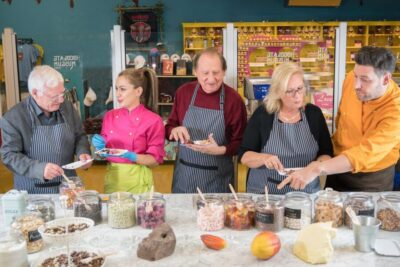
Chocolate Workshop in Chocolate Museum w/ Tasting
Read our review →
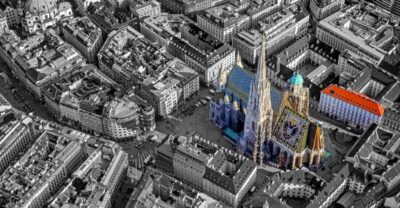
St. Stephen’s Cathedral & Dom Museum Wien Tickets
Read our review →
Browse the lists this tour appears in