
REVIEW · MUSEUMS
Vienna: Klimt Villa (Gustav Klimt Atelier & Museum) Ticket
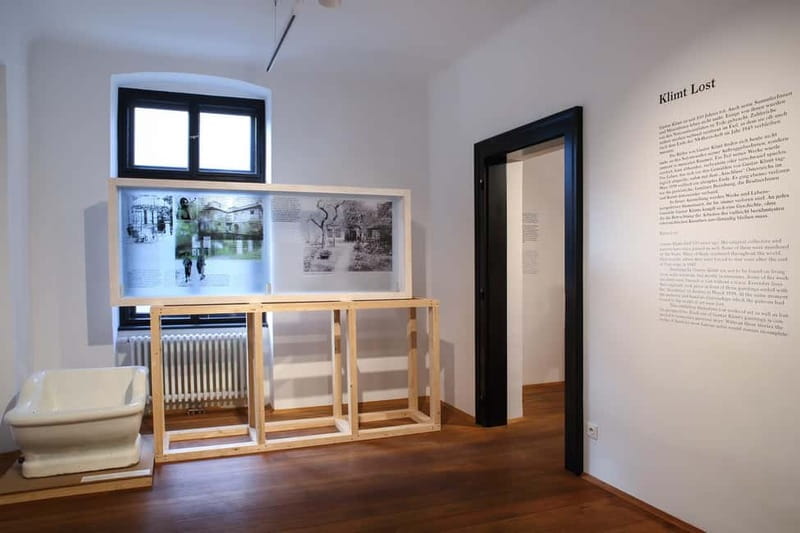
This Klimt stop feels personal and specific. You get Gustav Klimt’s final studio inside a restored neo-baroque villa, and you also face the heavier story in Klimt Lost, which tackles persecution and looting tied to Klimt’s collectors. It is art history with a heartbeat, because you are not just looking at famous works, you are seeing where Klimt made his last ones, surrounded by a garden meant to match that era.
Two things I especially like are the room-in-room reconstructed studio design and the way Klimt Lost stays grounded in real fates, not vague tragedy. One drawback to consider: this is a smaller museum experience than people expect, and the second-floor print gallery can be restricted if it is booked for a private event. If you are short on time or hoping for hours of galleries, you will still enjoy it, but it helps to have realistic expectations.
In This Review
- Key Things You Should Not Miss
- A Neo-Baroque Villa Where Klimt Worked from 1911 to 1918
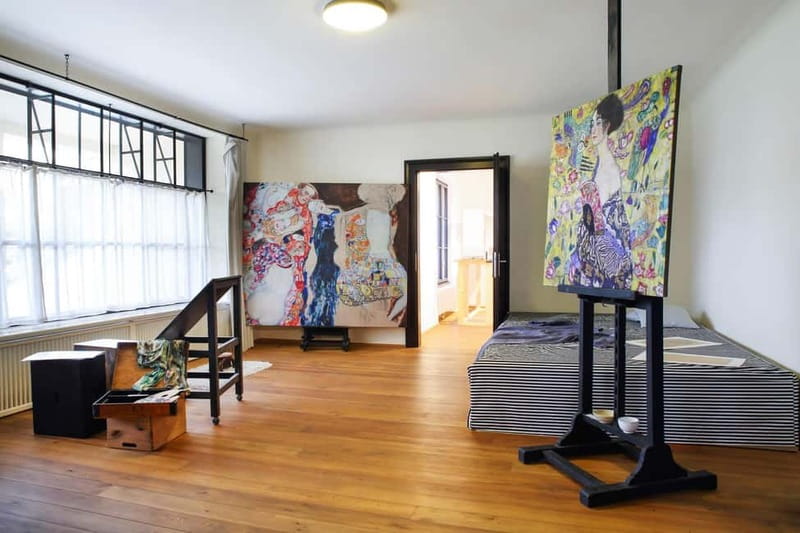
- The Final Studio and Reception Rooms: Why the Room-in-Room Design Matters
- Klimt Lost: A Thought-Provoking Exhibition You Should Plan for
- The Restored Garden and Klimt Rose Season
- Garden Café Break: Coffee and Cake When It’s Open
- Upper-Floor Print Editions: What You’ll See, and When Access Might Change
- Smartphone Guide Service in 20 Languages: How to Use It Well
- Price, Time, and Who This Ticket Is Perfect For
- Should You Book Klimt Villa Tickets? My Take
- FAQ
- Where is the meeting point for the Klimt Villa ticket?
- How long is the experience?
- What is included with the ticket?
- Is the smartphone guide available in English?
- Is the Garden Café available year-round?
- Can I bring food, drinks, or large luggage?
- Are pets allowed?
- Is the site wheelchair accessible?
- Will I definitely be able to visit the second-floor gallery?
- Is free cancellation available?
Key Things You Should Not Miss
- Klimt’s reconstructed working space using a room-in-room method, preserving the studio setting as much as possible.
- The Klimt Lost exhibition on Nazi-era persecution, looting, and the long restitution fights that followed.
- The restored garden and Klimt rose season, with damask roses planted around 1900 and blooming roughly mid-May to late June.
- Garden Café timing, open on weekends from May to September in fair weather.
- Upper-floor print editions, plus works by Klimt, Egon Schiele, and Oskar Kokoschka, though access is not guaranteed on every visit.
- A smartphone guide in 20 languages, plus German and English labels for the exhibition.
A Neo-Baroque Villa Where Klimt Worked from 1911 to 1918
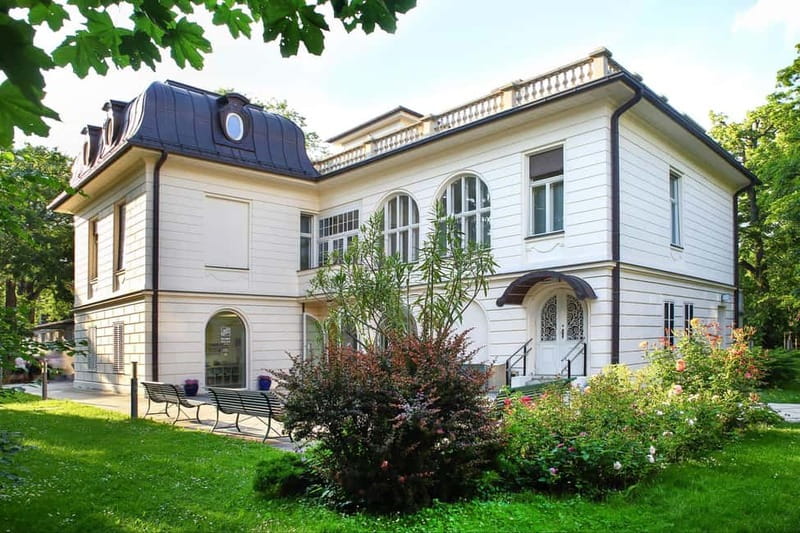
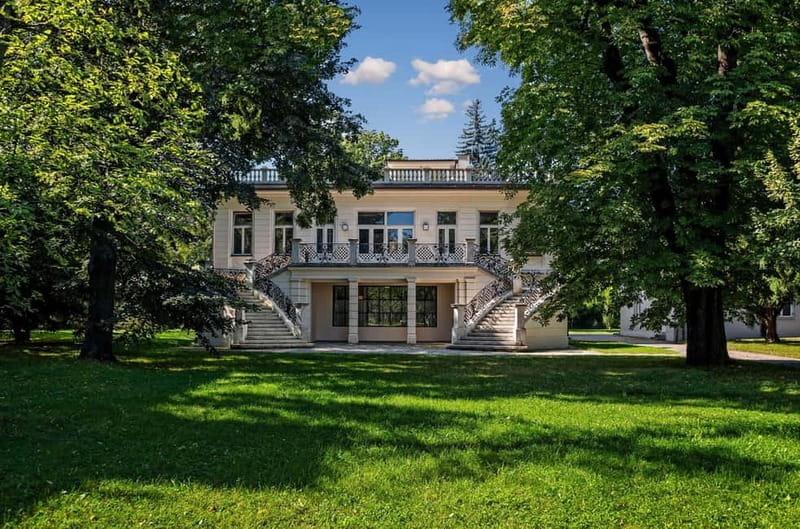
The Klimt Villa is set up like a creative hideaway, not a giant showpiece museum. The building you see today is a neo-baroque, two-story villa that served as Klimt’s creative sanctuary from 1911 until his death in 1918. That time frame matters. This was the final chapter of his life, and you can feel that focus in how the space is presented.
Klimt’s studio is the center of gravity. In the villa, you will see how his creative room began as a garden house and then became the neo-baroque villa form after his lifetime. It is a small transformation, but it changes how you interpret the place. You are standing in an art-maker’s workplace, and the reconstruction approach tries to keep the original “work here” feel, not just decorate the walls.
The collection associations are strong, too. In this space, you are prompted to connect the studio with major works often linked to his late period, like Adele Bloch-Bauer II, Friederike Beer, The Bride, Adam and Eve, and Lady with Fan. You are not watching Klimt paint in real time, obviously. But the villa is built to make you look with the right question in mind: what was the daily rhythm and atmosphere behind these famous images?
More Habsburg-era halls and hangings:
- Vienna: Skip-the-Line Sisi Museum, Hofburg and Gardens Tour
★ 4.8 · 5,918 reviews - Vienna Kunsthistorisches Museum Day Admission Ticket
★ 4.6 · 3,690 reviews - Tickets for the Albertina Exhibitions
★ 4.7 · 2,126 reviews - Vienna: Chocolate Workshop in Chocolate Museum w/ Tasting
★ 4.5 · 1,802 reviews
The Final Studio and Reception Rooms: Why the Room-in-Room Design Matters
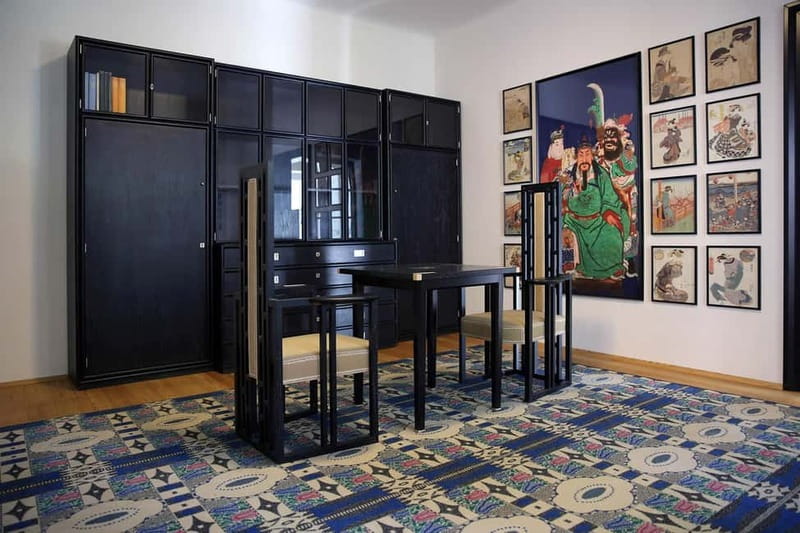
The highlight, for me, is the access to Klimt’s final studio and his reception room. This is where the ticket delivers more than a quick photo stop. The key detail is the room-in-room construction method used to preserve Klimt’s original place of work during the villa’s later changes.
That sounds technical, but here is what you should care about as a visitor: the layout is designed to keep the studio feeling close to the working space it represents. Instead of turning the studio into something like a showroom shell, the reconstruction approach protects the sense of scale, orientation, and “this was built for making art.”
As you move through the studio area, the smartphone guide becomes your best friend. It helps you connect the architecture to the way Klimt worked and how the studio functioned within the villa. If you are the type who likes to read, you will also have exhibition labels available in German and English, which makes it easier to follow along even if you are not using every part of the guide.
Practical tip: go slowly here. This is not the kind of room where you get the full meaning by sprinting. If you want a satisfying visit, treat the studio as your anchor stop, then build outward to the garden and exhibition.
Klimt Lost: A Thought-Provoking Exhibition You Should Plan for
After the studio focus, the experience shifts. Klimt Lost is the part that asks you to do more than look. This exhibition explores the persecution and looting of Klimt’s collectors and works during National Socialism. It also covers what happened to the survivors and the collectors’ often decade-long fight for restitution and justice.
This matters because Klimt’s story is not only about style. His paintings were part of real lives, real belongings, real losses. When the exhibition talks about persecution and looting, it is not trying to scare you with vague darkness. It points to the painful reality that art history can be tangled with violence, theft, and forced displacement.
And then it goes further. The long restitution battles are where a lot of visitors realize how complicated justice can be. People often expect a clean moral arc, but the exhibition perspective is messier and more human. You come away understanding that provenance is not trivia. It is a map of suffering, power, and paperwork that can take years to unwind.
What helps here: you will have a smartphone guide that includes many languages, plus German and English labels. If you want to get the most out of the exhibition, don’t treat it like a checklist. Pause on the sections that discuss collectors and fates. Let your brain connect the dots between the studio as a place of creation and the exhibition as a place of consequences.
The Restored Garden and Klimt Rose Season
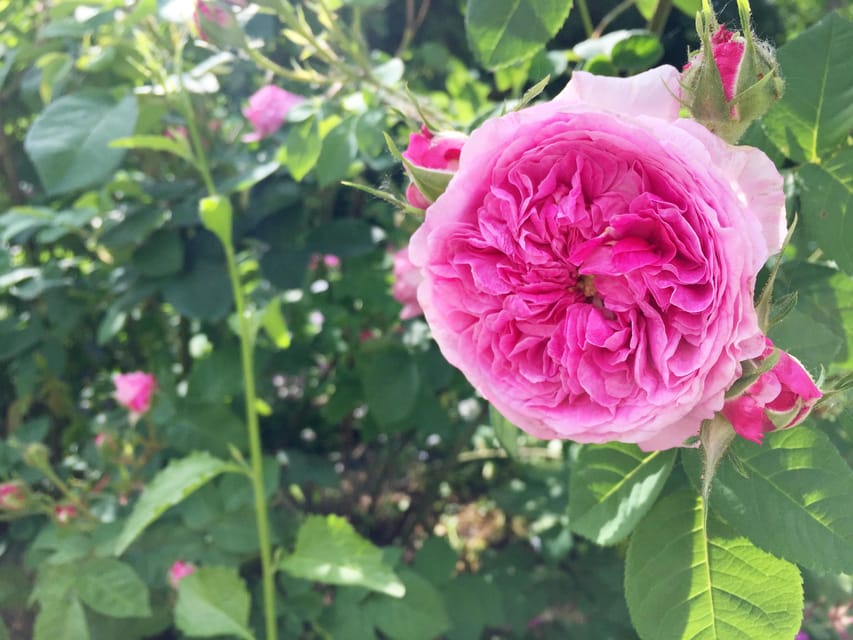
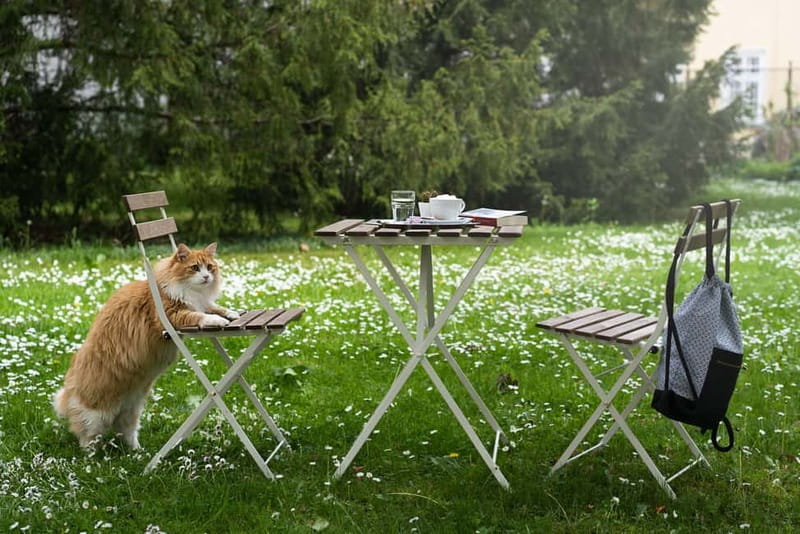
Outside, the villa turns into a calmer kind of classroom. The garden is continuously restored to maintain its historic charm, and it is not just “nice landscaping.” It is part of the Klimt atmosphere, because floral beauty once surrounded Klimt’s studio and inspired his work.
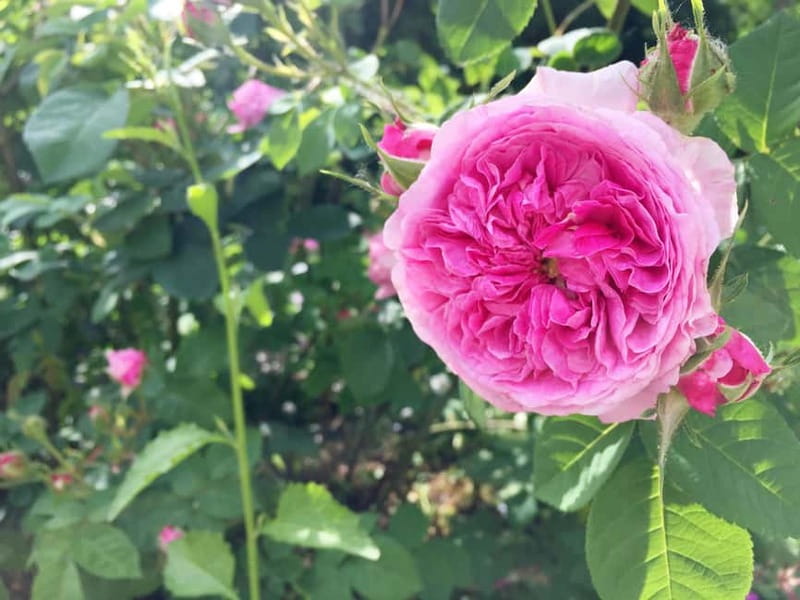
At the heart of the garden are damask roses originally planted around 1900. These roses are known as the Klimt rose, and they grace the grounds from mid-May to late June. That bloom window is an obvious reason to time your visit if flowers matter to you. But even outside the peak bloom, the restored garden structure still helps the visit make sense. The villa feels like a place designed for lingering.
If you want to make the most of your time, go for an unhurried stroll after the indoor sections. Let your eyes adjust from museum labels to actual shapes, textures, and color. Klimt’s work is famous for pattern and rhythm, and the garden gives you a real-world reference for why those floral associations mattered.
Held over another night in Vienna

Garden Café Break: Coffee and Cake When It’s Open
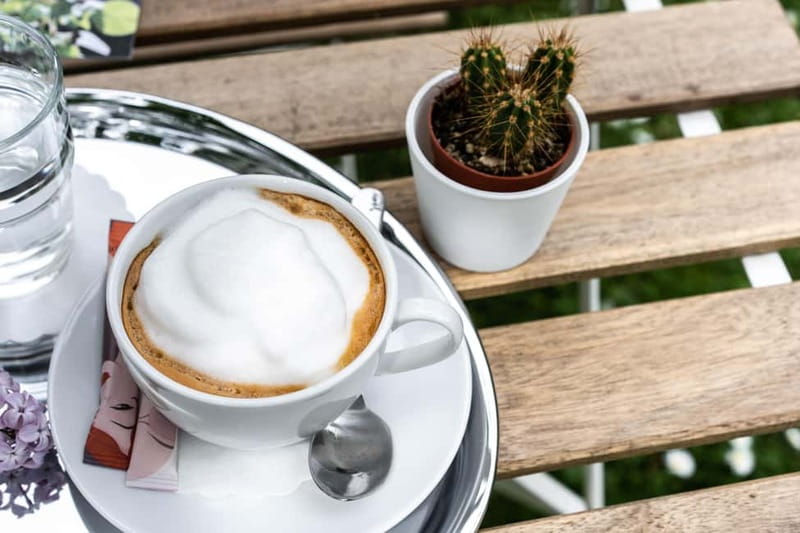
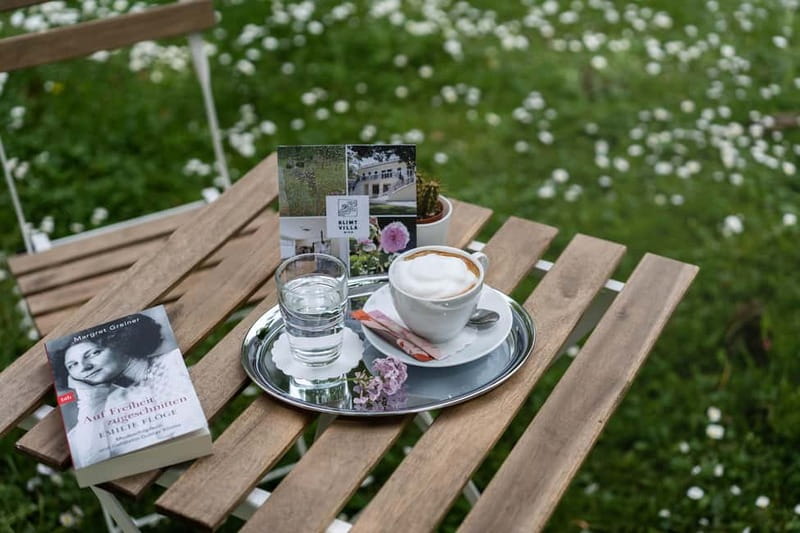
One small detail that can turn a good visit into a great one is the Garden Café. It is open on weekends from May to September in fair weather.
That timing is important. If you are visiting at another time of year, you should expect the café might not be running. When it is open, the idea is simple: sit down, get Viennese coffee and cake, and let the garden do what gardens are good at, which is slowing your brain down.
Also, plan for the villa’s rules around food. You are not allowed to bring food and drinks into the site. So if a snack break is part of your plan, rely on what is available in the Garden Café when it is operating.
This café stop is a good fit for couples, solo visitors who like atmosphere, and anyone who wants a natural landing point between the indoor studio and the more intense Klimt Lost exhibition.
Upper-Floor Print Editions: What You’ll See, and When Access Might Change
On the upper floor, there is a gallery featuring premium Klimt print editions and art reproductions. The selection also includes works tied to Egon Schiele and Oskar Kokoschka, which makes sense if you are in Vienna for Viennese Modernism rather than only for one artist.
This gallery can help you extend the experience. The studio shows you Klimt as a maker in his final years. The print edition gallery lets you keep the artistic thread going and gives you something lighter to look at after the darker exhibition topics.
But here is the consideration I want you to take seriously: access to the second-floor gallery cannot always be guaranteed because it may be reserved for a private event. Translation: if you assume you will definitely get up there, you might end the visit a bit annoyed. The smart move is to treat it as an optional bonus, not your main goal.
If you do get access, it is a nice way to end the visit with less emotional weight. You can compare styles, glance at different artist connections, and leave with images you might want to seek out later in larger museum collections.
Smartphone Guide Service in 20 Languages: How to Use It Well
The ticket includes a smartphone guide service available in 20 languages. That matters a lot in this kind of museum. You are dealing with both art context and historically heavy material in Klimt Lost. Having language support helps you follow ideas without struggling through translations.
The languages listed include English, French, German, Italian, Spanish, Polish, Korean, Chinese, Czech, Portuguese, Hungarian, Russian, Japanese, Greek, Romanian, Turkish, Danish, Dutch, Hindi, and Croatian. With that range, most people should be able to find a comfortable option.
Even if you speak a lot of languages, use the guide like this: pick a language you actually enjoy listening to, then spend your time where it is easiest to lose track, which is the exhibition sections. Your goal is not to listen to everything word-for-word. Your goal is to understand the story of persecution, looting, and restitution in a way that sticks.
Also note that exhibition labels and descriptions are available in German and English. So if your phone battery is low or you need a break, you are not stuck. The building is designed so you are not dependent on the smartphone all the time.
One more practical point: the site does not allow large luggage, food and drinks, or pets. Assistance dogs are allowed. If you are traveling with a big daypack, keep it manageable so you avoid last-minute stress at the start.
Price, Time, and Who This Ticket Is Perfect For
At about $14 per person, the value is mainly in what you get access to. You are paying for three different layers in one stop: Klimt’s final studio and reception rooms, the Klimt Lost exhibition on persecution and restitution, and the garden experience with Klimt roses. Plus you get the smartphone guide included.
That pricing makes sense because the experience is focused. This is not a full-day mega museum. It is a concentrated encounter with one artist’s last working space and one of the most serious art-history themes, what happens to artworks and their owners when regimes turn hostile.
A lot of people like the way the visit feels like a living place, not just a display. The building layout and the reconstructed studio design help, and the garden gives you breathing room between topics. If you are coming from other Vienna sights, it is a refreshing change of pace.
Who it suits best:
- Klimt fans who want to see the studio rather than only look at finished paintings in large galleries.
- People interested in provenance and restitution, and who want the story told in a museum format that still feels human.
- Visitors who like gardens and want a seasonal touch, especially around mid-May to late June for Klimt rose blooming.
Who might want to adjust expectations:
- If you expect a huge multi-building museum campus, the villa can feel smaller.
- If the second-floor gallery is a must-do for you, accept that access may depend on private events.
Should You Book Klimt Villa Tickets? My Take
I think you should book if your priority is a place that connects art to real-world context. The final studio access is the obvious draw, but what makes the ticket stand out is the pairing with Klimt Lost. You leave with both creative atmosphere and the heavy historical consequences that followed Klimt’s collectors and their works.
If you are planning a visit around flowers, the mid-May to late June Klimt rose window is a strong reason to time it. If you are going for the café experience, aim for a weekend in May to September and keep the weather in mind since the Garden Café is open in fair weather only.
One last piece of advice: treat this like a short, meaningful visit. Go in calm and curious. The villa works best when you slow down in the studio and really read the exhibition sections that deal with restitution.
If that matches your style, this $14 ticket is a very fair deal for Vienna.
FAQ
Where is the meeting point for the Klimt Villa ticket?
You meet at the Klimt Villa Ticket Shop.
How long is the experience?
The ticket is valid for 1 day.
What is included with the ticket?
Entrance to the Klimt Villa and its garden, access to Gustav Klimt’s final studio and the Klimt Lost exhibition, and a smartphone guide service.
Is the smartphone guide available in English?
Yes. The smartphone guide service is available in 20 languages, including English.
Is the Garden Café available year-round?
No. The Garden Café is open on weekends from May to September in fair weather.
Can I bring food, drinks, or large luggage?
Food and drinks are not allowed, and luggage or large bags are not allowed.
Are pets allowed?
Pets are not allowed, but assistance dogs are allowed.
Is the site wheelchair accessible?
Yes, the experience is wheelchair accessible.
Will I definitely be able to visit the second-floor gallery?
Access to the second-floor gallery is not guaranteed, because it can be reserved for private events.
Is free cancellation available?
Yes, free cancellation is available up to 24 hours in advance for a full refund.
Just added to the bill for Vienna



Museums, compared.

Skip-the-Line Sisi Museum, Hofburg and Gardens Tour
Read our review →
Vienna Kunsthistorisches Museum Day Admission Ticket
Read our review →

Chocolate Workshop in Chocolate Museum w/ Tasting
Read our review →
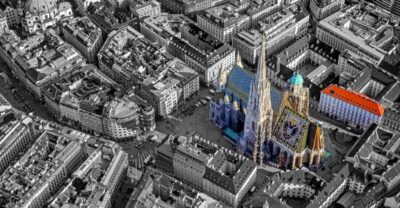
St. Stephen’s Cathedral & Dom Museum Wien Tickets
Read our review →
Browse the lists this tour appears in