
REVIEW · MUSEUMS
Vienna: Tickets for Kunst Haus Wien: Museum Hundertwasser
This building is a living artwork. I love the Hundertwasser-designed architecture and the calm pause at Café Friedlich in the green courtyard, because the day feels equal parts art visit and nature-minded thinking. One consideration: if you prefer lots of plain-language info beside every painting, you may want to budget for the audio guide since not everything is explained right next to the works.
Here’s what makes this experience genuinely different from a standard museum stop. You’ll move through Hundertwasser’s world, from his early, picturesque visions to practical building models and the museum’s own architectural transformation. And on the upper levels, you’ll switch gears into temporary exhibitions that connect contemporary art with ecology and sustainability.
I’d plan this as a short, self-paced 1-day visit (tickets are $18 per person, valid for 1 day), especially because the ticket you book includes the permanent museum access plus the temporary contemporary art and the ecology garage exhibition. The only obvious extra cost to keep in mind is the audio guide for the Hundertwasser Museum, listed at 4.00 EUR.
In This Review
- Key things I think you should notice first
- Why KunstHausWien and Museum Hundertwasser feels different from other museums
- Planning your visit by floors: permanent on the bottom, temporary on top
- Hundertwasser’s eco-minded ideas: art as a design philosophy
- Temporary exhibitions with contemporary art and ecology themes
- The garage exhibition: Ecology, Sustainability and Urbanity in a different setting
- Café Friedlich and the green courtyard break that actually feels worth it
- Audio guide reality check: when it helps most
- Getting to Radetzkyplatz with public transport
- How long should you plan for a 1-day museum ticket?
- Price and value: what you get for $18
- Who this experience suits best, and who might want a different plan
- Should you book your tickets for KunstHaus Wien and Museum Hundertwasser?
- FAQ
- How much do tickets cost, and how long is the visit?
- What parts of the museum are included in the ticket?
- Where are the permanent and temporary exhibitions located?
- Is an audio guide included?
- Where is the meeting point for public transport?
- Is there time to stop for food at the museum?
- Is the museum wheelchair accessible?
Key things I think you should notice first
- Hundertwasser’s eco philosophy, built into the building (not just explained on a panel)
- Permanent rooms on the first two floors, with temporary exhibitions on the top two floors
- A contemporary art + ecology pairing, including the garage show on Ecology, Sustainability & Urbanity
- The green courtyard and Café Friedlich as part of the experience, not an afterthought
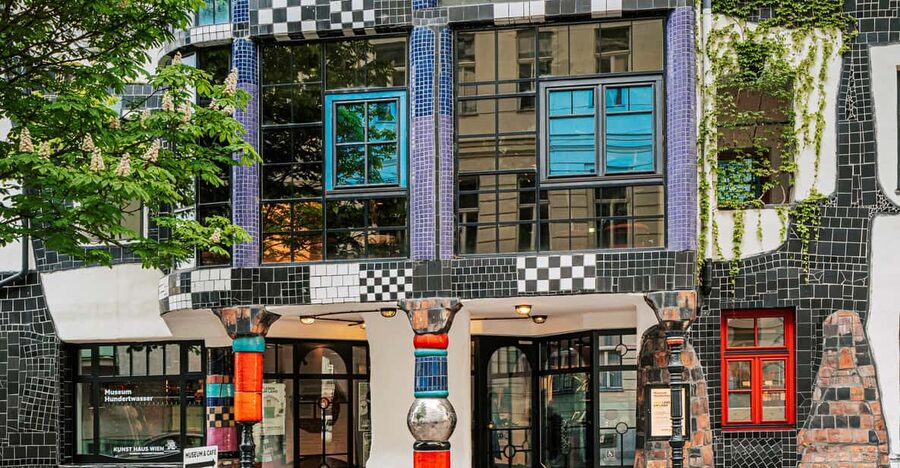
- Color, curves, and the rejection of straight lines as a recurring design language
- Audio support helps you read the paintings, especially if labels feel sparse near the works
Why KunstHausWien and Museum Hundertwasser feels different from other museums
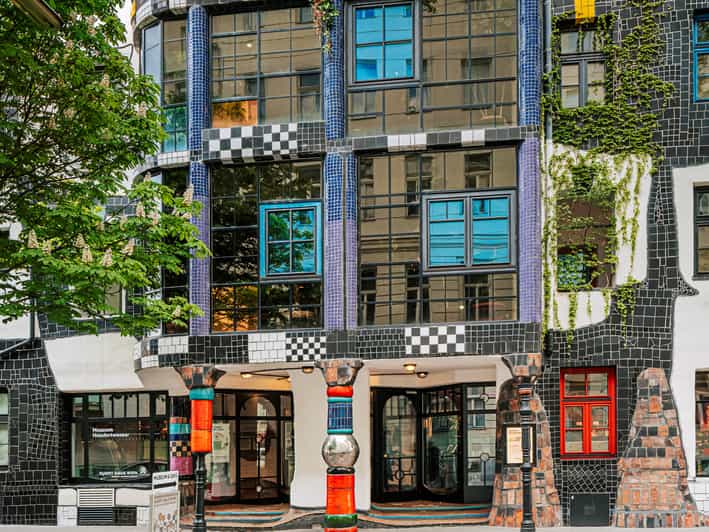
Vienna has plenty of art museums. This one hits you from the outside, because the building itself is part of the statement. Hundertwasser’s ideas about life, nature, and art show up in the architecture through color, organic forms, and the refusal to treat straight lines as the default. It feels less like a showroom and more like walking into a worldview.
When you step inside, you’ll see how his artistic principles connect to his belief in building and living in harmony with nature. That connection matters because it explains why the museum isn’t simply about collecting paintings. The space frames the art as something tied to everyday choices, materials, and design values.
I also like that the museum is built to keep you moving between scales. You can take in big visual moments, then shift to practical models and museum design decisions that show the work as something Hundertwasser tried to make real.
The practical upside for you: this is a place where you can enjoy it even if you are not a serious art scholar. You’re still going to learn, but the experience also works on a simpler level, through color, shapes, and the atmosphere.
More Habsburg-era halls and hangings:
- Vienna: Skip-the-Line Sisi Museum, Hofburg and Gardens Tour
★ 4.8 · 5,918 reviews - Vienna Kunsthistorisches Museum Day Admission Ticket
★ 4.6 · 3,690 reviews - Tickets for the Albertina Exhibitions
★ 4.7 · 2,126 reviews - Vienna: Chocolate Workshop in Chocolate Museum w/ Tasting
★ 4.5 · 1,802 reviews
Planning your visit by floors: permanent on the bottom, temporary on top
A big, useful detail before you go: the first two floors hold the permanent exhibition on Friedensreich Hundertwasser. The temporary exhibitions are located on the top two floors.
That matters because you may want to decide your focus before you climb the stairs. If your priority is Hundertwasser himself, you can lean into the permanent rooms. If you want the museum’s current themes, go straight to the temporary spaces on the upper levels.
You also have an option mentioned for planning: you can either visit the permanent exhibition, one of the special exhibitions, or buy a combo ticket for both. If you’re aiming to maximize value from a 1-day visit, the best approach is usually to make sure you leave time for both the permanent areas and the temporary exhibitions.
Once you’re inside, the museum layout creates an easy rhythm: permanent floors for understanding the artist and his principles, then temporary floors for seeing how those ideas echo in contemporary art and ecology.
Hundertwasser’s eco-minded ideas: art as a design philosophy
This is not only about what Hundertwasser painted. The museum is structured around how he thought.
You can expect a progression that starts with his early picturesque visions and continues through practical implementations, including building models and the museum’s own architectural remodeling. That flow helps you understand that his philosophy was not just poetic. He tried to turn it into tangible architecture.
Here’s what this means in plain terms when you’re actually there: you’ll see recurring themes like color and organic, living-feeling forms. You’ll also notice the way the museum challenges straight-line thinking, which is one of Hundertwasser’s signature ideas. Even if some of it feels eccentric, the logic is consistent. He pushes you to reconsider how humans shape their environments.
If you care about sustainability or design, this is one of those museum visits that feels practical. It’s not just about recycling as a concept. It’s about how form, materials, and living spaces shape daily life and our relationship with nature.
And if you don’t care about sustainability, it can still work, because the building and the art are visually persuasive. You don’t need special terminology to feel the difference in how the space operates.
Temporary exhibitions with contemporary art and ecology themes
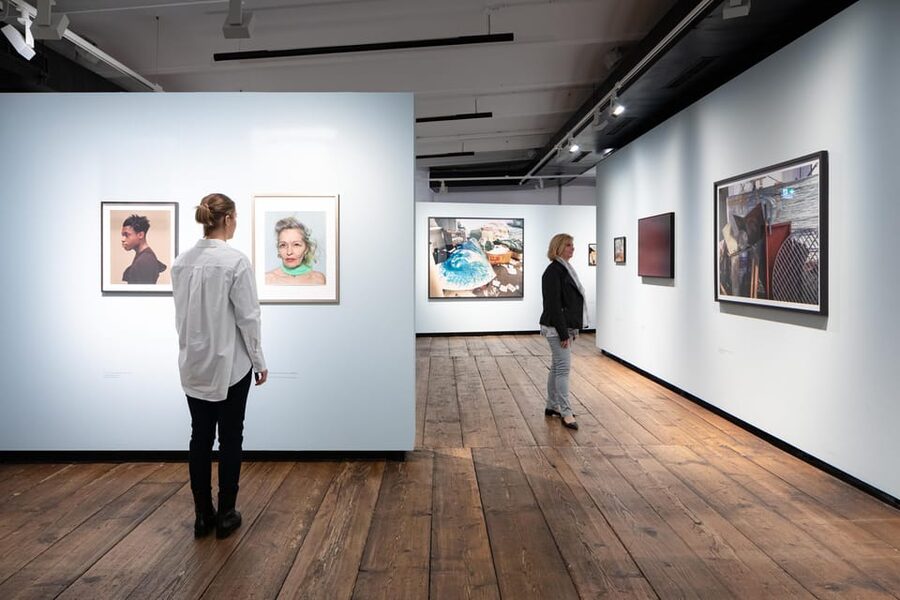
Your included ticket covers access to contemporary art exhibitions and the current garage exhibition focused on Ecology, Sustainability & Urbanity. That pairing is what makes the top-floor experience worth your time.
On the temporary side, you can expect a modern lens on questions Hundertwasser cared about: ecology, sustainability, and how city life interacts with nature. This is a good setup if you like museums that connect ideas rather than keeping categories locked in separate rooms.
One practical tip: give the top floors enough time that you are not rushing. Temporary exhibitions tend to reward slower looking, because you’re absorbing multiple threads at once: art, environmental thinking, and how urban life gets represented.
If you’re on a tight schedule, you can still do it efficiently. Just don’t treat the temporary exhibit as a quick pass-through. Build in enough minutes to read the key concepts and let the visuals land.
Held over another night in Vienna
The garage exhibition: Ecology, Sustainability and Urbanity in a different setting
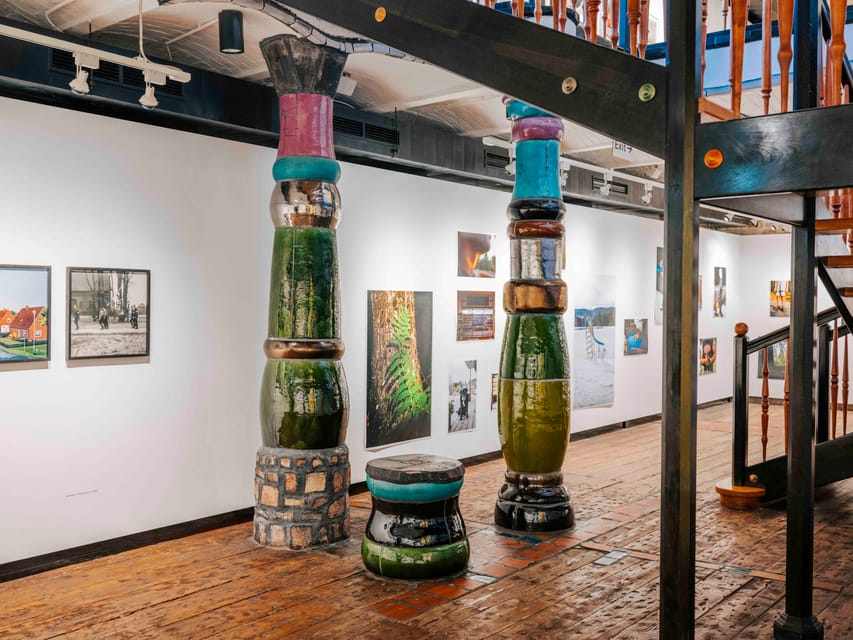
The included garage exhibition is a standout way to keep the day from feeling too traditional. The exhibit is specifically tied to Ecology, Sustainability & Urbanity, so you’re not just learning about nature in theory.
This matters because it reframes the museum as a place about real-world spaces. You start with Hundertwasser’s artistic and architectural worldview, then you see contemporary interpretation of how cities can support ecological thinking.
I like including this because it gives your visit variety. You’re not stuck inside only the permanent galleries. You’re experiencing ideas in a space that feels like part of a broader urban story.
If you enjoy modern environmental messaging in art, this garage stop is a strong reason to book the ticket that includes it. It turns the day into more than a single-artist shrine.
Café Friedlich and the green courtyard break that actually feels worth it
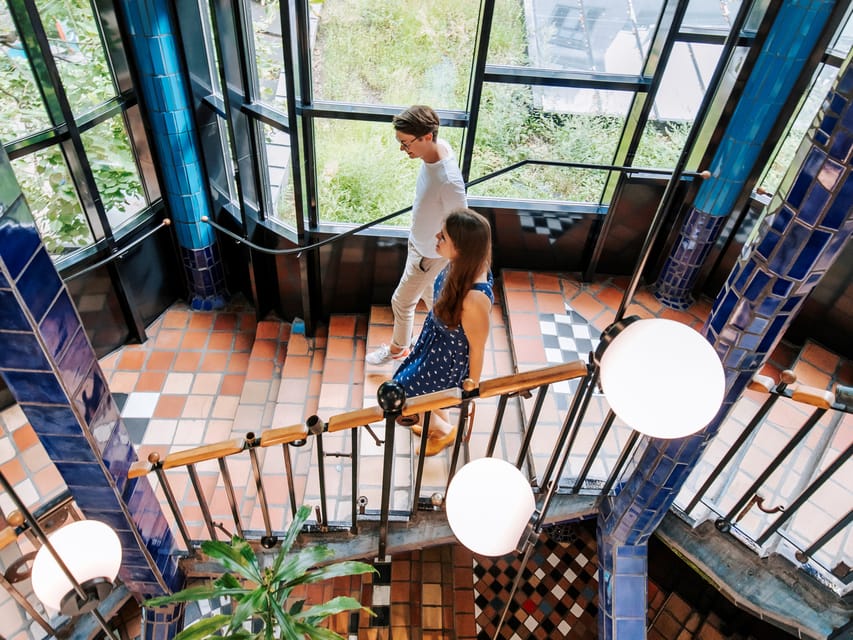
One of the most practical wins here is the green courtyard and Café Friedlich. This is where you slow down after walking and looking.
What makes this stop useful is pacing. The museum experience is concentrated with color and ideas, so a rest matters. The café gives you a natural break before you decide whether to continue upstairs or circle back through permanent rooms.
Food and service details aren’t something you can fully predict, but the overall vibe is consistently described as welcoming, with both savory and sweet options. If you like a museum visit that has breathing room, plan your café break before you run out of energy.
A simple way to use this time well: take your break, then return with a clearer head. You’ll often find you understand the art better after you pause.
Audio guide reality check: when it helps most
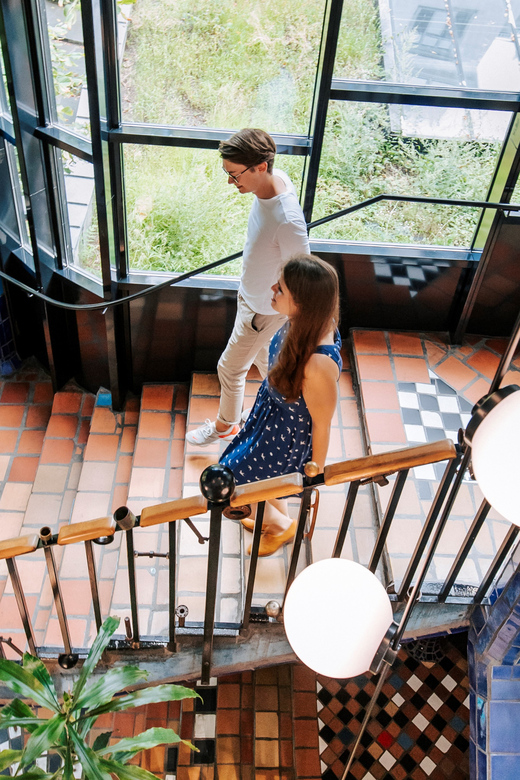
The museum audio guide for the Hundertwasser Museum is listed as not included, and the price is shown as 4.00 EUR. At the same time, the activity details indicate audio guidance in English, French, and German.
Here’s the takeaway you can actually use: an audio guide is especially helpful if you feel like the paintings do not come with enough immediate explanation right beside them. When labels are limited, the audio turns your visit from guesswork into understanding.
So I’d treat the audio as an optional upgrade, not a nice-to-have luxury. If you want to connect the visual design to the ideas behind it, plan on using the audio on at least part of the route.
If you’re traveling with limited time, consider prioritizing audio for the permanent floors first. That’s where the museum builds your foundation in Hundertwasser’s philosophy, early visions, models, and architectural remodeling.
Getting to Radetzkyplatz with public transport
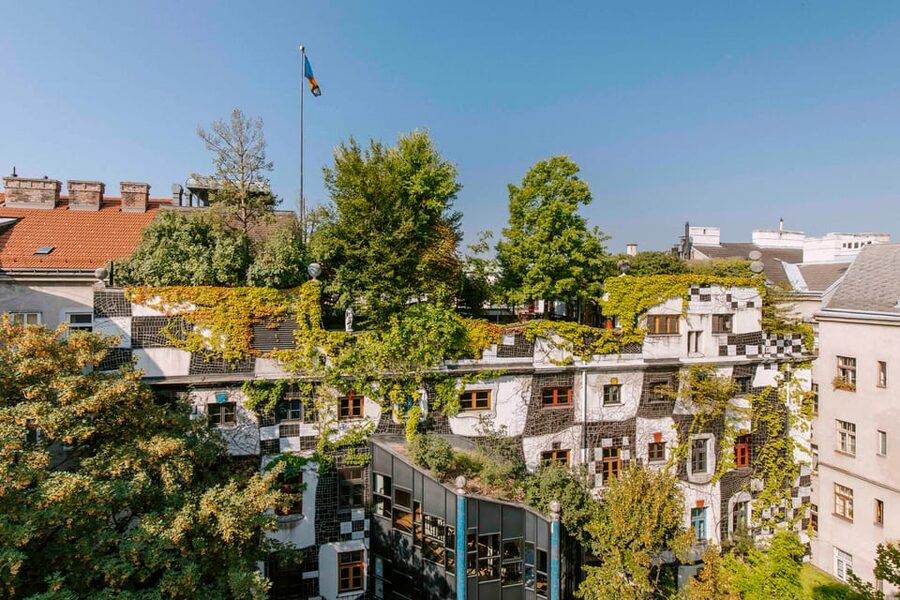
The meeting point guidance is built around Radetzkyplatz, which is convenient because it gives you a clear transit anchor.
- If you’re arriving by public transport, you can take the U1 or U4 to Schwedenplatz, then continue on tram line 1 toward Prater Hauptallee to Radetzkyplatz.
- Alternatively, take the U3 or U4 to Landstraße/Wien Mitte, then take tram line O toward Praterstern to Radetzkyplatz.
When I’m planning a museum day, I like using a known stop like this because it reduces stress. You can focus on arriving with energy instead of wandering around near the museum entrance trying to piece together routes.
How long should you plan for a 1-day museum ticket?
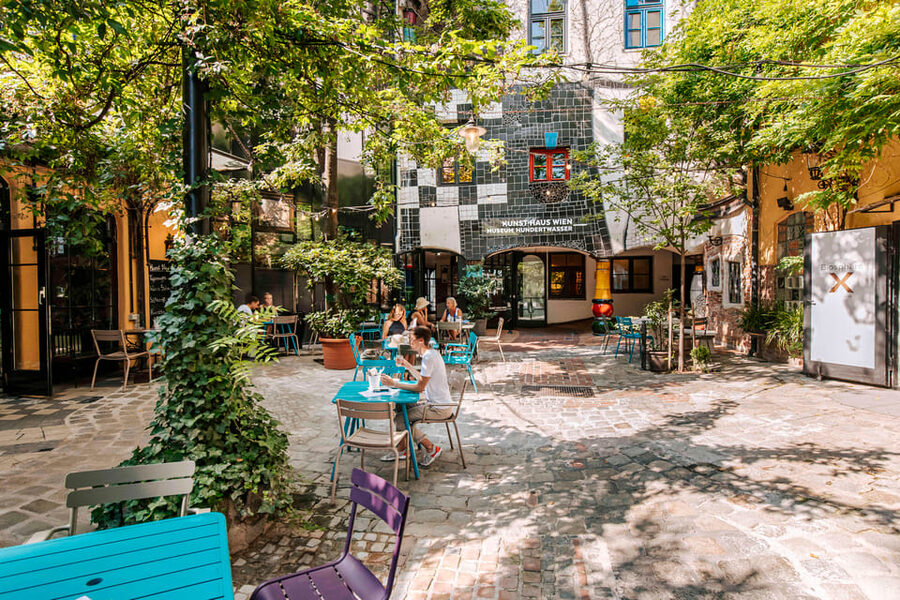
Your ticket is listed as valid for 1 day, and the experience is described as taking 1 day. Since the included experience covers more than one exhibition type, your time depends on how carefully you like to look.
A sensible planning approach is to treat it like a focused morning to late afternoon visit. Start with the permanent exhibition on the first two floors to get Hundertwasser’s core story. Then move to the top-floor temporary exhibitions for contemporary art and ecology connections. Finish with the garage exhibition, since it gives your day a modern city perspective.
If you enjoy stopping for thoughtful looks, add time for that café courtyard break. It keeps you from rushing the final rooms, which is often where meaning clicks.
Also, allow a little buffer for entry processing. Even when tickets are booked ahead, you might still need to queue for entry on busy periods.
Price and value: what you get for $18
At $18 per person, this ticket sits in the “reasonable for a special museum day” category, especially because it includes multiple exhibition experiences. You’re not just buying access to one permanent collection. You also get the contemporary art exhibition and the current garage exhibition on Ecology, Sustainability & Urbanity.
That value matters because the museum’s concept is larger than a single room. The architecture, the permanent story, and the temporary ecology themes all work together. If you only visited one part, you might miss the full point.
One extra cost to keep in mind is the audio guide for the Hundertwasser Museum, listed at 4.00 EUR. If you’re the kind of person who wants explanations tied to specific works, add that to your budget.
If you’re deciding between options, the smartest value move for a 1-day visit is usually to use your time for both Hundertwasser’s foundation and the temporary ecology-focused exhibitions.
Who this experience suits best, and who might want a different plan
This ticket works especially well if you enjoy art that connects to real ideas: nature, sustainability, and the way spaces affect how we live. If you like design, architecture, and visual symbolism, you’ll likely get a lot out of seeing Hundertwasser’s approach treated as a living philosophy.
It also suits people who want a calmer museum pace. The setting can feel quiet enough that you can reset between floors, especially with a courtyard café break.
On the flip side, if you strongly prefer museums where every artwork has dense interpretation on the walls, you may feel the need for extra context. In that case, factor in the audio guide, since some works are easier to understand with it.
Should you book your tickets for KunstHaus Wien and Museum Hundertwasser?
I think you should book if you want a Vienna museum that feels like art, architecture, and ecological thinking are braided together. For $18, you get a full day that includes Hundertwasser’s permanent story, temporary contemporary art tied to ecology, and the garage exhibition on Ecology, Sustainability & Urbanity. Add the courtyard and Café Friedlich, and it becomes a complete day, not just a quick gallery walk.
You might skip or reconsider only if you want a very straightforward, label-heavy museum where every painting explains itself on the spot. In that case, budget for the audio guide or choose a different museum style.
If you’re curious, this is one of those tickets that rewards showing up with time to look slowly.
FAQ
How much do tickets cost, and how long is the visit?
Tickets are listed at $18 per person, and the experience is described as taking 1 day.
What parts of the museum are included in the ticket?
The ticket includes Museum Hundertwasser access, entry to the contemporary art exhibition, and access to the current garage exhibition (Ecology, Sustainability & Urbanity).
Where are the permanent and temporary exhibitions located?
The first two floors hold the permanent exhibition on Friedensreich Hundertwasser. The temporary exhibitions are on the top two floors.
Is an audio guide included?
The activity details mention an audio guide in English, French, and German. However, the Hundertwasser Museum audio guide is also listed as not included and priced at 4.00 EUR.
Where is the meeting point for public transport?
You can use Radetzkyplatz as your transit anchor. One route is U1 or U4 to Schwedenplatz, then tram line 1 toward Prater Hauptallee to Radetzkyplatz. Another route is U3 or U4 to Landstraße/Wien Mitte, then tram line O toward Praterstern to Radetzkyplatz.
Is there time to stop for food at the museum?
Yes. The experience highlights enjoying delicacies in the green courtyard and visiting Café Friedlich.
Is the museum wheelchair accessible?
Yes, the experience is listed as wheelchair accessible.
Just added to the bill for Vienna

Museums, compared.
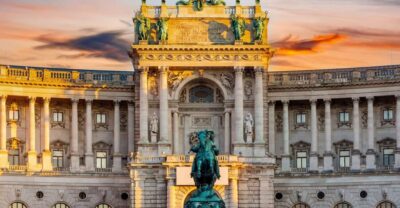
Skip-the-Line Sisi Museum, Hofburg and Gardens Tour
Read our review →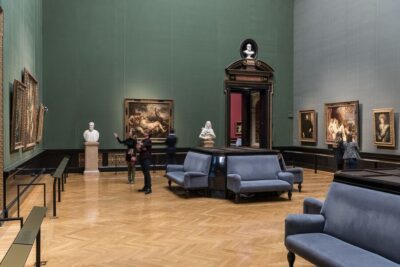
Vienna Kunsthistorisches Museum Day Admission Ticket
Read our review →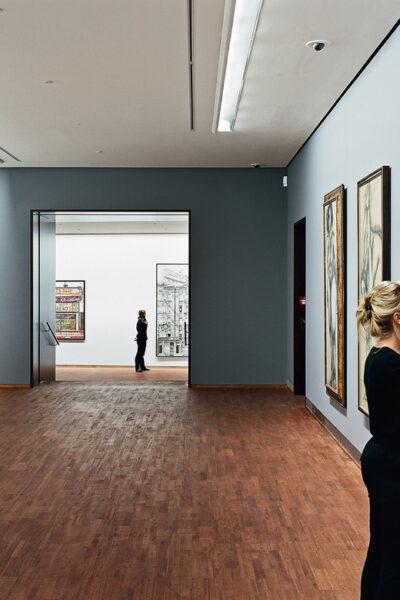

Chocolate Workshop in Chocolate Museum w/ Tasting
Read our review →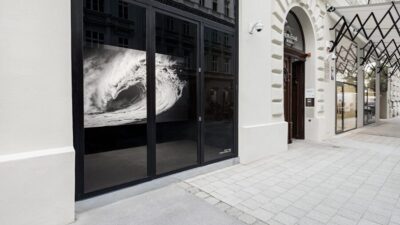
St. Stephen’s Cathedral & Dom Museum Wien Tickets
Read our review →
Browse the lists this tour appears in