
REVIEW · MUSEUMS
Vienna: Tour the masterpieces at the Leopold Museum
Vienna gets radical on two museum floors. This private 90-minute tour in the Leopold Museum turns Klimt and Schiele from famous names into clear, story-driven art history, with the kinds of details you usually only hear from a great guide.
I like how the tour explains style choices, reputation, and family details as you move room to room, not as a lecture you tune out. I also like that you can choose a route through the 4th and 3rd floors or swap in a special exhibition depending on what you want to see. One consideration: you have to pack light since big bags and food are not allowed inside.
In This Review
- Key things to know before you go
- Vienna’s Leopold Museum: the perfect base for Klimt and Schiele
- How the 90-minute tour actually flows on the 4th and 3rd floors
- What you will likely do at each stage
- A small timing reality check
- Klimt secrets you will actually remember: style, price, and family questions
- Why Klimt’s look works so well with guided storytelling
- Schiele’s road to fame, plus the Secession and Werkstätte connections
- How to get more out of Schiele in the moment
- The next generation: Kokoschka, Gerstl, Schiele, and the hard break of WWI
- Why this segment is valuable, even if you know the basics
- Price and value: $223 per group up to 9, admission separate
- Practical stuff: what to know before you meet at the Leopold Museum
- Where to meet
- Language options
- What to bring, what not to bring
- Accessibility
- The guide experience: what you should look for in how they teach
- Who should book this Klimt and Schiele tour
- Should you book this Leopold Museum Klimt and Schiele tour?
- FAQ
- Where is the meeting point for the Leopold Museum tour?
- How long is the tour?
- How much does the tour cost?
- What is included in the tour price?
- What is not included?
- Which floors do we visit?
- Can the tour include a special exhibition or only permanent collection?
- What languages are available for the guide?
- Is admission included, and is it wheelchair accessible?
- Are there photography or recording restrictions?
Key things to know before you go
- Private group, 90 minutes: a focused museum sprint that still leaves time to ask questions.
- Klimt and Schiele, explained as Viennese Modernism: you get the why behind the look.
- Two floor zones (4th and 3rd): built for seeing the main threads without getting lost.
- Optional special exhibition route: you can tailor the tour if there is a temporary show you care about.
- A memorable guide-led format: one praised guide is Alexandra, known for sharing art-history context with real passion.
- You learn the story beats people skip: from the Wiener Secession and Wiener Werkstätte to the impact of World War I.
Vienna’s Leopold Museum: the perfect base for Klimt and Schiele
If you love art that feels like it is changing in real time, Vienna in the early 1900s is your place. The Leopold Museum is a smart setting for a tour like this because it keeps the focus on Austrian modern art and the ideas behind it, not just the famous paintings.
What makes this experience practical is that the guide connects the dots across artists, movements, and turning points. You do not just hear that Klimt and Schiele are important. You hear what made them different from what came before, and why their work was both praised and pushed back against. That helps you look at the art with better questions in your head.
And since the tour stays inside the museum on the main visiting floors, you avoid the usual Vienna problem: lots of walking, lots of distractions, and art you cannot really process. Here, you are aimed at the work.
More Habsburg-era halls and hangings:
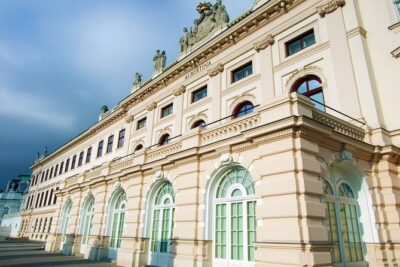
- Vienna: Skip-the-Line Sisi Museum, Hofburg and Gardens Tour
★ 4.8 · 5,918 reviews - Vienna Kunsthistorisches Museum Day Admission Ticket
★ 4.6 · 3,690 reviews - Tickets for the Albertina Exhibitions
★ 4.7 · 2,126 reviews - Vienna: Chocolate Workshop in Chocolate Museum w/ Tasting
★ 4.5 · 1,802 reviews
How the 90-minute tour actually flows on the 4th and 3rd floors
This is a private tour that runs about 90 minutes. You meet in front of the Leopold Museum entrance, on the platform in front of the revolving door. From there, you tour the 4th and 3rd floors, with the option to customize what you focus on.
Here is the key planning detail: you can go one of two ways.
- You can take a highlights-style route across the 4th and 3rd floors.
- Or you can go through a special exhibition, with the guide shaping the tour around that theme.
That flexibility matters because the Leopold Museum changes its temporary programming. If you are there for a specific show, you can align the tour with it. If you want the big Klimt and Schiele ideas first, you can stick to the main museum areas.
What you will likely do at each stage
You start by orienting yourself to the themes the guide will keep returning to: Viennese Modernism, the tension between elegance and experimentation, and how artists responded to the world around them. Then you move through the floors in sequence, spending enough time at key works to understand what to look for.
By the time you are partway through, you should feel like you are not just naming artists. You are tracking how ideas change. That is the payoff of this format: the tour is short, but it is built to help you remember the relationships.
A small timing reality check
Ninety minutes goes fast in a museum. If you want to linger, take notes, or re-read a label on your own, this tour will feel best when you treat it like a guided roadmap. You can always come back later for slow viewing.
Held over another night in Vienna
Klimt secrets you will actually remember: style, price, and family questions
This tour is built around Klimt and Schiele, and the guide brings in the kind of details that make their art hit harder. For Klimt, the tour focuses on what drives his style and why the work costs so much.
When a guide talks about price, I like it best when it connects art-market value to real things: rarity, demand, and the historical role the works played. You are not just being told that something is expensive. You are learning what makes the work significant in the story of modern art, and why collectors care.
You also get a couple of specific prompts that keep the conversation lively. The tour includes answers to questions like:
- How many children Klimt had
- Which one inherited his talent
That sort of family detail can sound like trivia, but in a good tour it becomes a lens. You start seeing Klimt’s work as part of a life, not a random set of images. It helps your brain connect the dots.
Why Klimt’s look works so well with guided storytelling
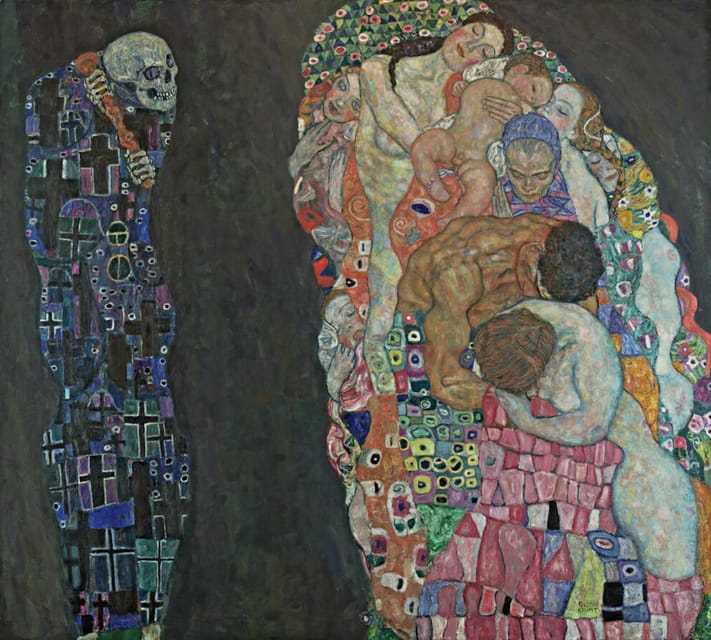
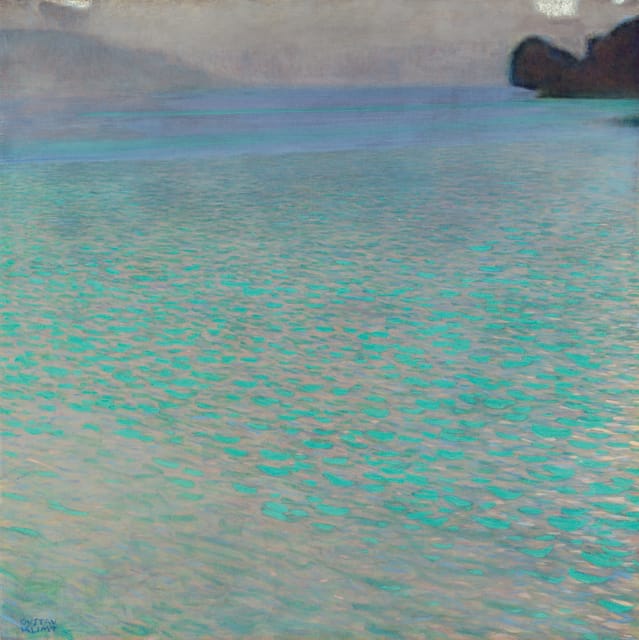
Klimt is often described in terms of beauty and pattern, but the more interesting part is how that elegance can also feel unsettling. This tour treats him as more than decorative. You get context about the movement and the atmosphere of the time, so the gold-like surfaces and symbolic choices make more sense.
If you are a first-time Klimt fan, you will probably leave with a clearer sense of what makes his style recognizable. If you already love Klimt, you should still appreciate the extra angles, especially the cross-links to the movements that shaped the whole era.
Schiele’s road to fame, plus the Secession and Werkstätte connections
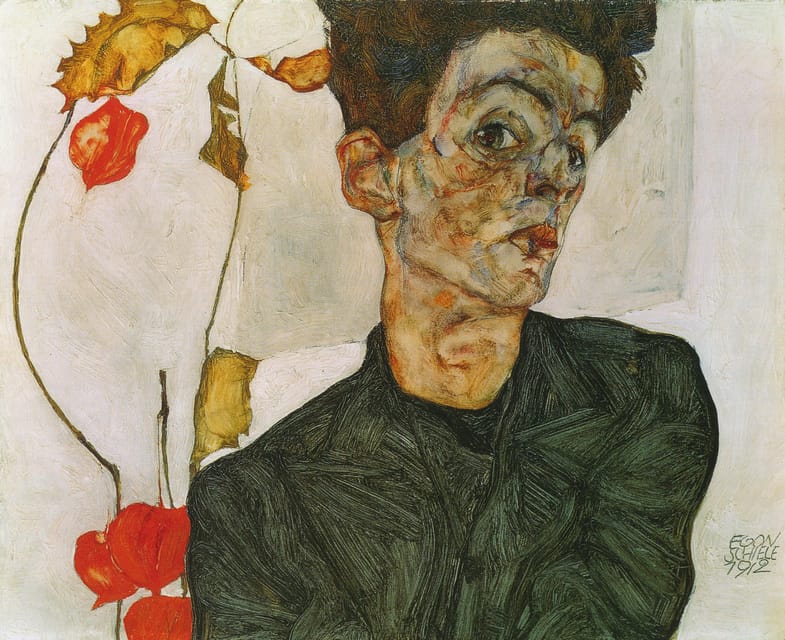
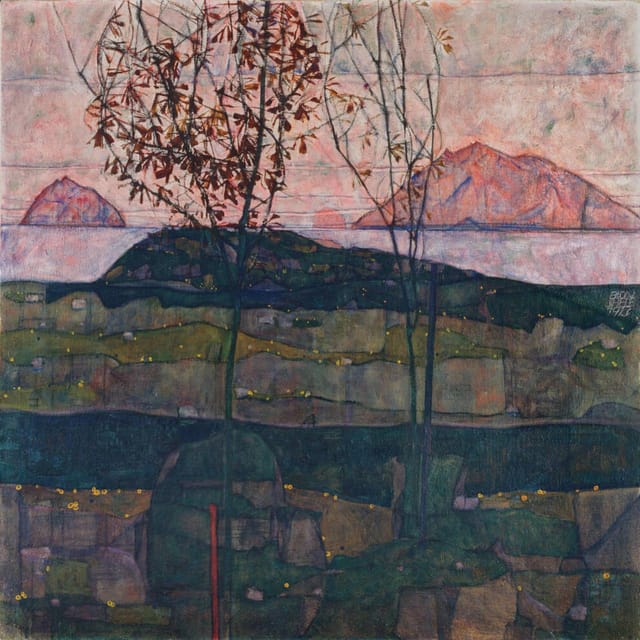
Schiele is where Viennese Modernism turns sharper. This tour tackles how Schiele became famous, and it does it in a way that connects his fame to his artistic risks.
The guide also frames Schiele within the wider Vienna art scene by bringing in the Wiener Secession and the Wiener Werkstätte. That matters because those movements are not just background. They explain the cultural pressure artists were pushing against.
Here is what you should expect to hear in plain language:
- The artists traded flowing harmony for radical experimentation.
- The mood shifts from polished ideals toward more unsettling, human scenes.
- The work reflects a change in how people viewed society and reality.
The tour uses specific story beats to connect these shifts. It is not only about Schiele’s biography. It is about why his approach made people notice him, and why it also made people argue with him.
How to get more out of Schiele in the moment
On a guided tour, you cannot always control which works you spend time on. But you can control your attention. When you see a Schiele piece, do not rush to judge it as ugly or shocking. Instead, look for the choices the guide highlights: line, pose, expression, and the emotional effect of the composition.
If the guide makes a point about why a work looks the way it does, write down the phrase. Later, when you are staring at a similar image on your own, you will remember what you were told to look for.
The next generation: Kokoschka, Gerstl, Schiele, and the hard break of WWI
After you get the Klimt and Schiele foundation, the tour moves into the next wave of artists who shook up Viennese Modernism. The guide points to names like Kokoschka and Gerstl, and of course connects them back to Schiele.
This portion of the tour is about generational momentum. The guide explains that the later artists carried forward a radical spirit, pushing experimentation further. You get the sense that Vienna’s art scene was not static. It changed quickly, and the artists were not afraid to break rules.
Then you reach the turning point: World War I. The tour explains that the war brought the most radical changes at the end of the era, and that many of the key representatives of Viennese Modernism died by that time.
That historical shift is important because it changes how you interpret the art. Before the war, there is a feeling of possibility and debate. After, the tone hardens. Even if you do not study dates, you can feel the emotional movement.
Why this segment is valuable, even if you know the basics
Some people think Klimt and Schiele are only about aesthetics, like fin-de-siècle beauty versus raw expression. This tour pushes beyond that by making you see modernism as a conversation. Artists responded to each other, to institutions like the Secession, and to the political shockwaves that reorganized Europe.
If you walk into the museum thinking you will simply look at paintings, this section is what re-trains you into an art-history reader.
Price and value: $223 per group up to 9, admission separate
The price is $223 per group for up to 9 people, with a tour length of about 90 minutes. Admission is not included, so you will still need to buy museum entry separately.
To judge value, I focus on three things:
- You are buying a private guide, not just access.
- The time is tight and intentional, so you are not spending hours trying to figure out what to see.
- The guide is steering a theme, including special details and movement history.
If you travel as a small group and split the cost, this can be a bargain compared with paying for multiple separate tours. If you are traveling solo, it might feel pricier, but the private format can still be worth it if you care about asking questions.
One more value factor: the tour is structured around what you want most, either permanent-floor highlights or a special exhibition route. That flexibility helps you avoid the common museum regret of seeing the wrong thing when your time is limited.
Practical stuff: what to know before you meet at the Leopold Museum
Here are the logistics that actually affect your day.
Where to meet
Meet in front of the Leopold Museum entrance, on the platform in front of the revolving door. This is easy to find when you arrive at the museum area and look for the main entry.
Language options
The live guide offers German and English.
What to bring, what not to bring
You should plan for museum rules that keep the galleries quiet and safe. You are not allowed to bring oversize luggage, backpacks, bags, or large items. Food and drinks are not allowed in the museum.
Also avoid anything that could get you stopped:
- no flash photography
- no audio recording
- no drones
If you are traveling light already, you will be fine. If you tend to bring a full-day bag, switch to a smaller option before you arrive.
Accessibility
The tour is wheelchair accessible, which is a big plus if you need that flexibility.
The guide experience: what you should look for in how they teach
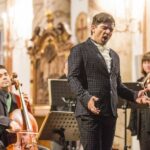
Two things stand out from the praise this tour has received. First, people describe the guide as professional and passionate about art history, with generous sharing of context. Second, the tour feels memorable, not just informative.
One guide named Alexandra is specifically mentioned in a positive review for depth, professionalism, and art-history knowledge. Even if your guide is someone else, it is a good sign that the format attracts strong communicators.
What you should do as a participant: come with one question in mind. It can be simple, like why Klimt’s work is priced the way it is, or how Schiele became famous. When the guide hits a theme, your question will fit right into the conversation.
Who should book this Klimt and Schiele tour
This is best for you if:
- you love modern art and want the Viennese Modernism story in a coherent way
- you care about Klimt and Schiele enough to go beyond quick photo stops
- you want a guide-led route that helps you interpret what you see
- you are traveling with others and can split the private group cost
It may not be ideal if you want a slow, silent, wander-at-your-own-pace museum visit. This is guided, structured, and about keeping momentum so you come away with understanding.
If you are new to Klimt and Schiele, it is a strong first introduction. If you already know their work, the added movement connections and the specific questions about family and fame can still sharpen your perspective.
Should you book this Leopold Museum Klimt and Schiele tour?
I would book it if your goal is clarity and context, not just gallery time. The tour is short enough to fit into a busy Vienna schedule, and it is focused on what makes Klimt and Schiele matter: style choices, movement history, and the moment when Vienna’s modern art story changes shape.
Book it especially if you like tours where the guide tells the story behind the art, including the kind of details people remember later, like Klimt’s children and the question of which one inherited his talent, plus how Schiele rose to fame.
Skip it if you plan to spend hours reading labels and taking your time. For that style of museum visit, you might prefer going on your own and doing a slower loop first.
FAQ
Where is the meeting point for the Leopold Museum tour?
You meet in front of the Leopold Museum entrance, on the platform in front of the revolving door.
How long is the tour?
The tour duration is 90 minutes (about 1.5 hours).
How much does the tour cost?
The price is $223 per group up to 9 people.
What is included in the tour price?
You get a guided tour of the permanent and/or special exhibition at the Leopold Museum.
What is not included?
Admission fees to the museum are not included, and the café is also not included.
Which floors do we visit?
The tour covers the 4th and 3rd floors, with a route that can also include a special exhibition.
Can the tour include a special exhibition or only permanent collection?
You can customize the highlights tour or choose to go through the special exhibition with the guide.
What languages are available for the guide?
The live guide is available in German and English.
Is admission included, and is it wheelchair accessible?
Admission is not included, and the tour is wheelchair accessible.
Are there photography or recording restrictions?
Flash photography is not allowed, and audio recording is not allowed.
Just added to the bill for Vienna
Museums, compared.
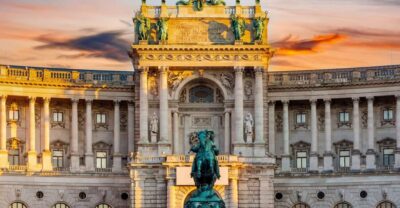
Skip-the-Line Sisi Museum, Hofburg and Gardens Tour
Read our review →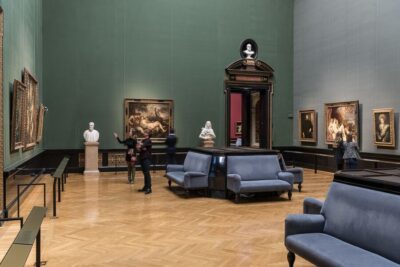
Vienna Kunsthistorisches Museum Day Admission Ticket
Read our review →

Chocolate Workshop in Chocolate Museum w/ Tasting
Read our review →
St. Stephen’s Cathedral & Dom Museum Wien Tickets
Read our review →
Browse the lists this tour appears in