
REVIEW · GUIDED WALKS IN VIENNA
Vienna: Walking Tour of the Historic Ringstrasse
Vienna’s Ringstrasse feels like stage dressing. On this historic walk, I love the over-the-top 19th-century architecture up close, and I love how the guide connects buildings to the people who lived behind them.
You also get a human-scale lesson in power and inequality. The tour threads in Emperor Francis Josef’s sweeping vision for the city, plus what happened to the rich builders and the workers who made the grand plan happen.
One possible drawback: it is still a walking tour. If you are not into steady pavement time, or if your legs prefer shorter hops, this might feel like a lot for two hours.
In This Review
- Key things you’ll notice on the Ringstrasse walk
- Entering the Ringstrasse, where one idea reshaped a city
- Starting at Liebenberg-Denkmal, and getting your bearings quickly
- Franz Josef’s demolition plan, and the two Viennas it created
- Palais Ephrusi: the Ring’s wealth story with a literary echo
- The Votive Church and the University of Vienna: faith and scholarship on the same boulevard
- City Hall to Burgtheater: civic drama and political theater
- Parliament and Heldenplatz: power, symbolism, and the statues you can read
- Museums and Volksgarten: where the walk slows, and your eyes get a break
- Finishing by the Opera House: your next step is easy
- Price and group value: $353 for up to 8 people
- Practical tips so the two hours feel worth it
- Who this tour suits best
- Should you book this Ringstrasse historic walking tour?
- FAQ
- How long is the Vienna Walking Tour of the Historic Ringstrasse?
- Where is the meeting point for the tour?
- What is the price?
- Is hotel pickup and drop-off included?
- Do I need a public transport ticket?
- Which languages are available for the live guide?
- Is the tour wheelchair accessible?
- Is this tour private or shared?
- Where does the tour end?
- What is the cancellation policy?
Key things you’ll notice on the Ringstrasse walk
- Liebenberg-Denkmal sets the tone fast, right at the start, near Mölker Bastei
- Franz Josef’s Ringstrasse plan explains why Vienna looks this way, with civic buildings and grand boulevards
- Palais Ephrusi brings the wealth story to life, including the family behind the inspiration for The Hare with Amber Eyes
- Garden pauses break up the route with flower arrangements and statues so your eyes can rest
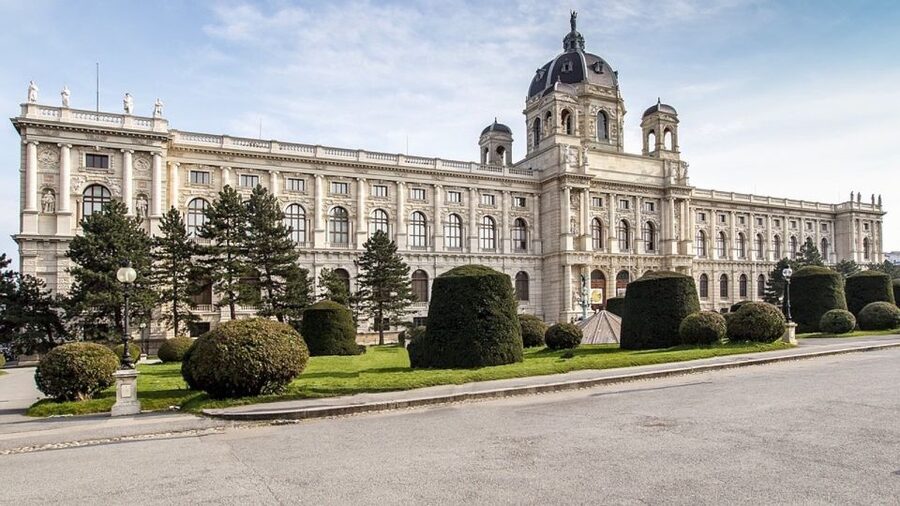
- Major landmarks in one loop: Votive Church, University of Vienna, City Hall, Burgtheater, Parliament, Heldenplatz
- You finish by the Opera House, which makes it easy to keep exploring afterward
Entering the Ringstrasse, where one idea reshaped a city
This walk centers on Vienna’s Ringstrasse, the famous circular boulevard built as the city transformed after the medieval walls came down. The guide sets the stage with the big turning point: around 150 years ago, Emperor Franz Josef ordered the demolition of the old city walls. The goal was not just to clear space. It was to create a whole new public showcase of culture and civic life.
As you walk, the Ring stops being an Instagram backdrop and starts making sense. The boulevard is wide, lined with trees, and designed with different paths for carriages, riders, and pedestrians. That detail matters, because it explains how the space was meant to function. Vienna wasn’t building a street for one group only. It was planning a stage where many people could see, move, and belong.
If you like architecture, you’ll notice the mix of styles and the heavy ornament. Vienna’s builders did not do subtle. They did statement.
More Guided Walks in Vienna
- Vienna: Guided Walking Tour of City Center Highlights
★ 4.7 · 4,989 reviews - Vienna: Vienna Central Cemetery Guided Walking Tour
★ 4.8 · 3,307 reviews - Vienna: Guided Walking Tour of City Highlights & Hidden Gems
★ 4.9 · 2,180 reviews - Vienna: Viennese Underworld Guided Walking Tour
★ 4.7 · 1,865 reviews
Starting at Liebenberg-Denkmal, and getting your bearings quickly
Your meeting point is Liebenberg-Denkmal at Mölker Bastei 8, 1010 Wien. Plan to arrive about 10 minutes early, because starting on time is the secret to a smooth two-hour route.
I like this starting spot because it is close to the “story spine” of the Ring. You do not just march from one random photo stop to another. The route is built so the early context pays off later, when the big buildings start clicking into place.
And since the tour is a private group, you can often ask follow-up questions instead of holding them in like a museum whisperer. The guide is live and speaks Polish, German, and English, so your chances of getting a direct answer are good.
Franz Josef’s demolition plan, and the two Viennas it created
Here’s what makes the Ringstrasse more than pretty facades: it was a machine for status. Once the walls fell, the city could stretch outward and plan a new kind of center.
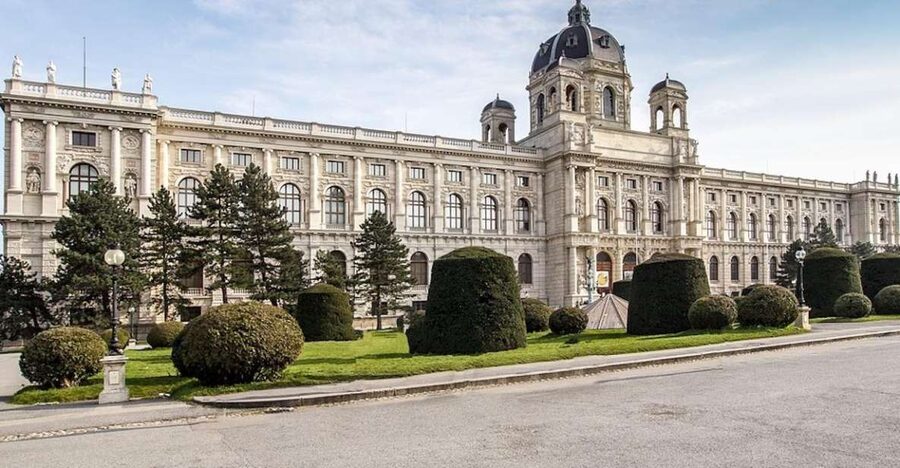
The guide focuses on what the emperor wanted in that center. The Ring would hold cultural anchors like the opera and theater, plus museums, universities, the Academy of Fine Arts, and major government buildings like parliament and city hall. In other words, this was a public imagination project. It said Vienna should look modern, educated, and important.
Then comes the other side, and it is not comfortable. Industrialists and bankers jumped at the chance. They put their money into oversized palaces and, in the process, gained titles. But poor people also arrived looking for work, and the working conditions were described as incredible, in a harsh way. So the Ring is both beauty and consequence.
That contrast is the thread that ties the palaces, churches, and civic buildings together. When you see the scale of decoration, you start thinking about who paid for it, who benefited, and who did the labor.
Palais Ephrusi: the Ring’s wealth story with a literary echo
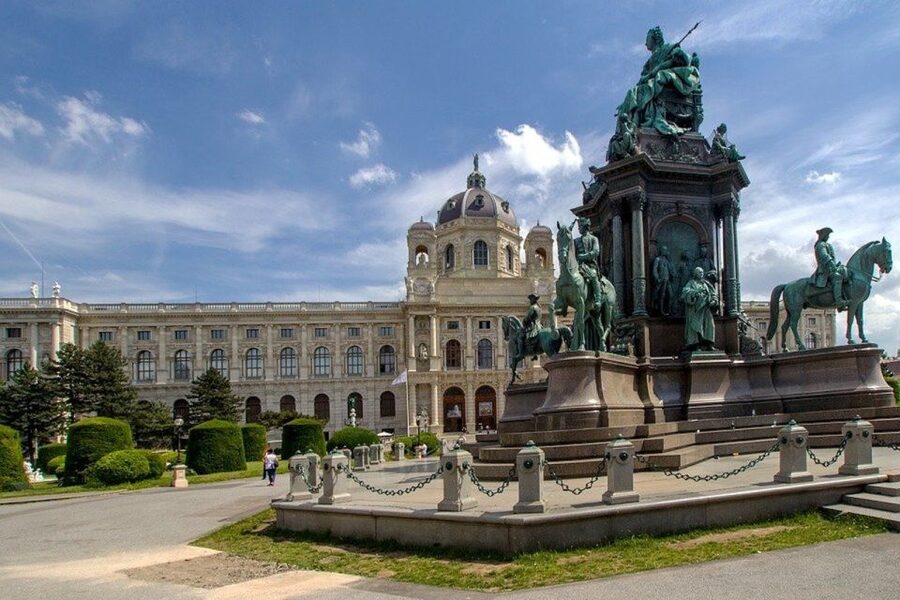
One of the most representative stops is Palais Ephrusi, commissioned by a rich Jewish banker family. This is one of those buildings where the scale of what you see matches the story of who funded it.
A key detail on this stop is the connection to The Hare with Amber Eyes. The guide uses this family fate as a narrative to explain the human consequences behind the grandeur. It turns a façade into a starting point for a wider discussion: how families rose, how fortunes could change, and why Vienna attracted people from all over Europe in the first place.
I particularly like how this stop balances spectacle with meaning. Yes, the building is impressive. But you are also learning what kind of life and danger could sit behind those polished walls.
More of Austria on foot, bell tower to bell tower:
The Votive Church and the University of Vienna: faith and scholarship on the same boulevard
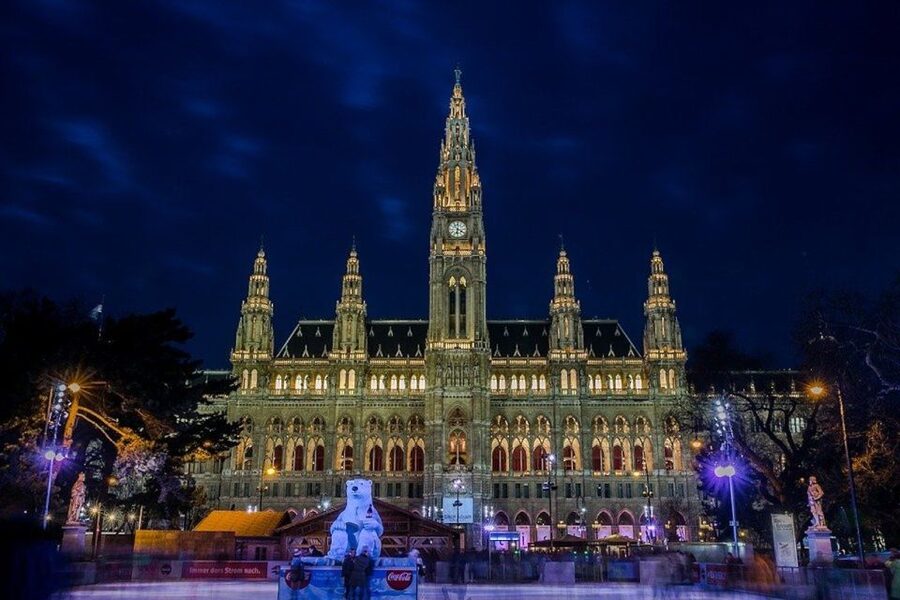
Next up, you move through major cultural and educational anchors. The Votive Church is a standout because it signals how public devotion and public architecture were linked. It is the kind of building that makes you slow down, not because it is silent, but because it feels like it was built to be seen.
Then you reach the University of Vienna’s main building. This part of the Ring makes a point: Vienna was designing a city where education had a visible address. The University is not tucked away. It is part of the ceremonial geography.
If you like “read the city” moments, this is where they happen. You start noticing how the route places institutions in a way that makes civic pride feel physical.
City Hall to Burgtheater: civic drama and political theater
City Hall comes next, and it reinforces the idea that the Ring was meant for more than private wealth. This is where the city shows off its authority and planning. The building’s presence on the boulevard supports that original imperial vision: the Ringstrasse as an ensemble of public meaning, not just a row of expensive houses.
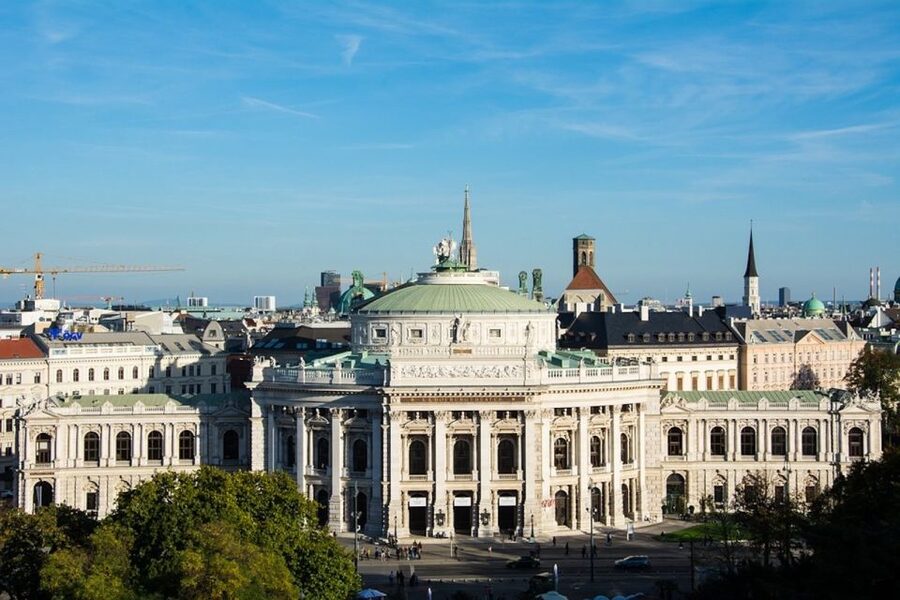
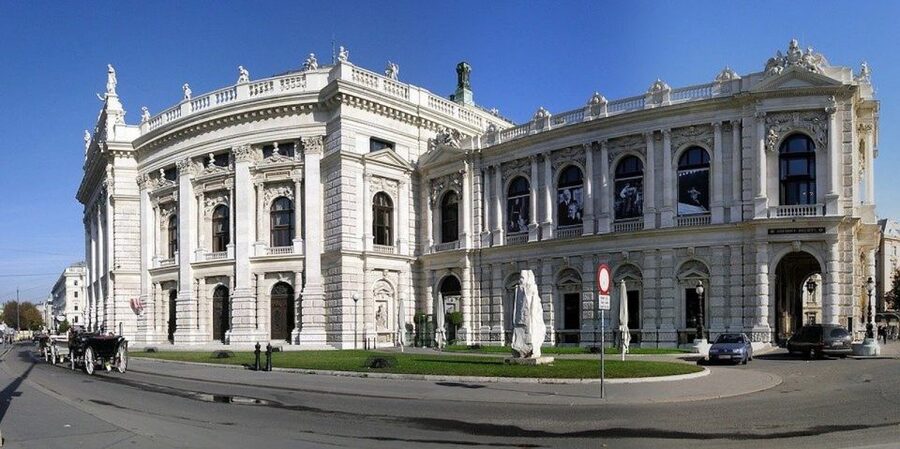
Burgtheater follows, and it helps you understand why the guide likes to talk about the theater alongside the opera. Both represent a cultural engine that was supposed to define Vienna. If you are the type who reads architecture as a language, Burgtheater is a good chapter, because it helps explain how entertainment, prestige, and city identity were intertwined.
At this stage of the walk, you’ll probably feel the route’s rhythm: you shift from “what do I see” to “what is it doing.”
Parliament and Heldenplatz: power, symbolism, and the statues you can read
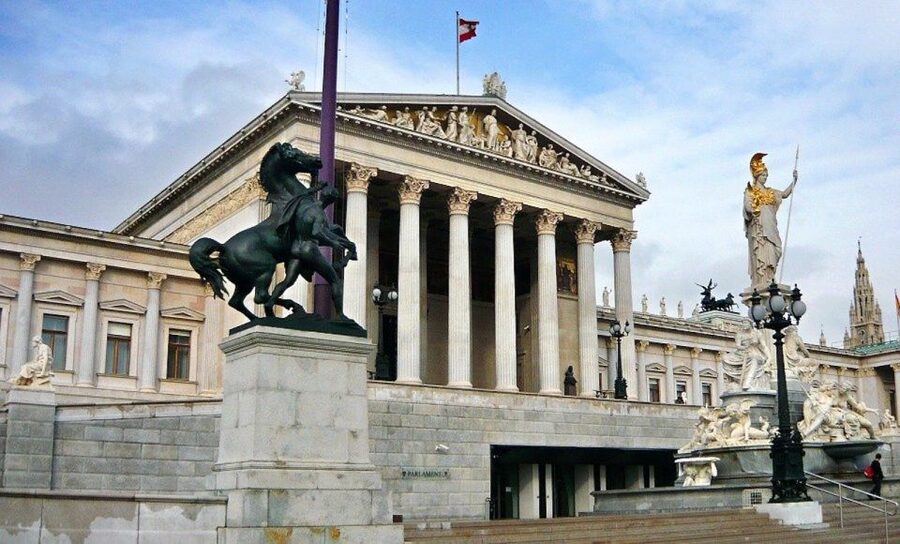
As the tour continues, you get into the government and ceremonial zones. Parliament brings you back to the Ring’s political purpose. This is part of the plan that Emperor Franz Josef approved in the big picture: museums, universities, and major civic buildings built into a unified statement.
Heldenplatz adds the monumental, public-facing feeling. It is one of those places where the size of the space tells you you are not just looking at one building. You are in an area designed for national visibility.
Then the route includes statues such as the mayor Liebenberg and Pallas Athene. I love statue stops like this because they give you a quick way to interpret the street’s values. It is not just decoration. Statues are messaging in stone, and the guide’s background info helps you connect the symbolism to the era.
Museums and Volksgarten: where the walk slows, and your eyes get a break
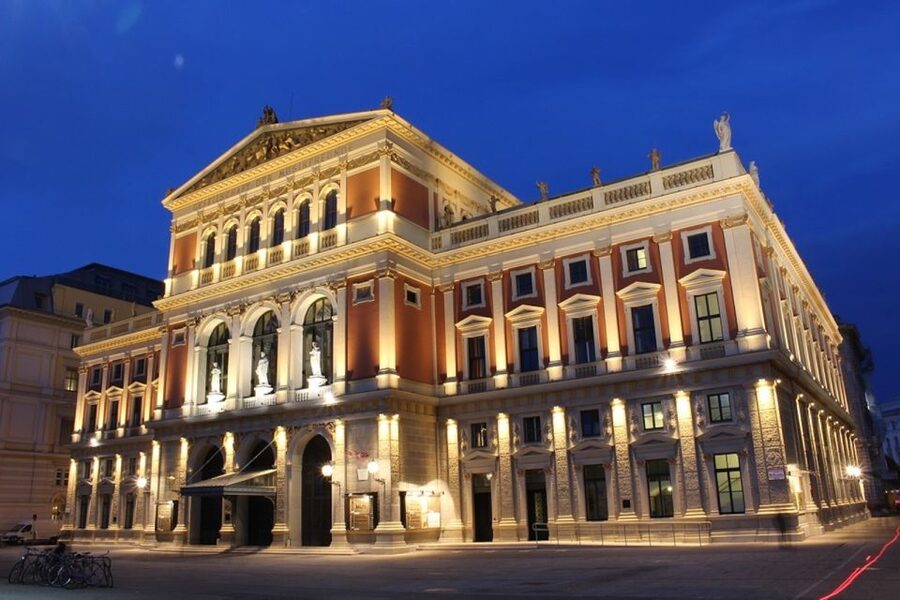
The tour builds in short pauses in spacious gardens. This matters more than it sounds. The Ring is dense with visual noise, and if you sprint through it, you miss the details.
The gardens include flower arrangements and statues, giving you a breather while still staying inside the Ring storyline. Volksgarten is one of the garden areas you are likely to encounter, and it is a nice contrast after the heavy civic buildings.
This part of the walk is also practical. Two hours can feel long if you are constantly looking up. Garden pauses give you a chance to look forward, reset, and then continue without losing the thread.
Finishing by the Opera House: your next step is easy
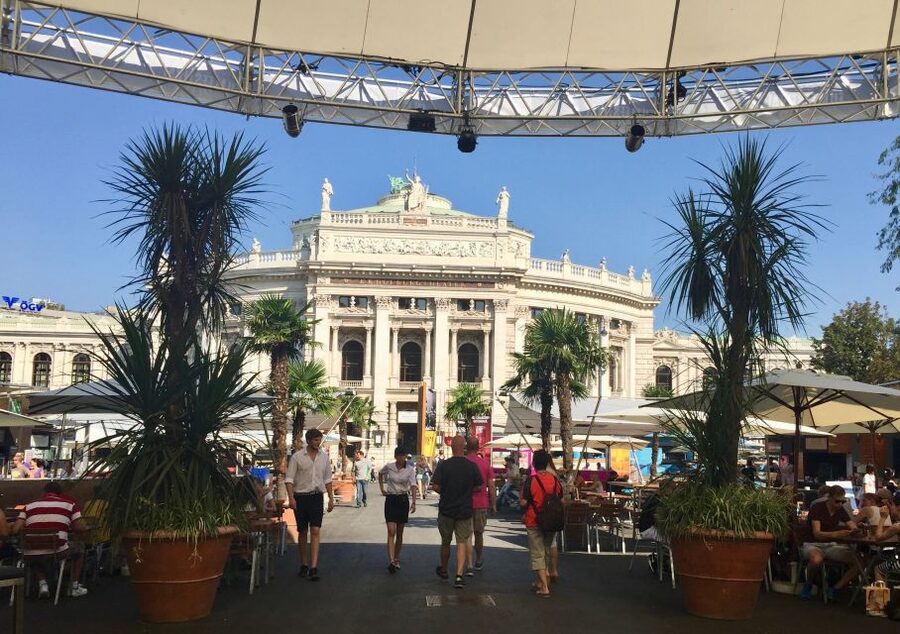
The walk ends next to the Opera House. That ending is smart for two reasons.
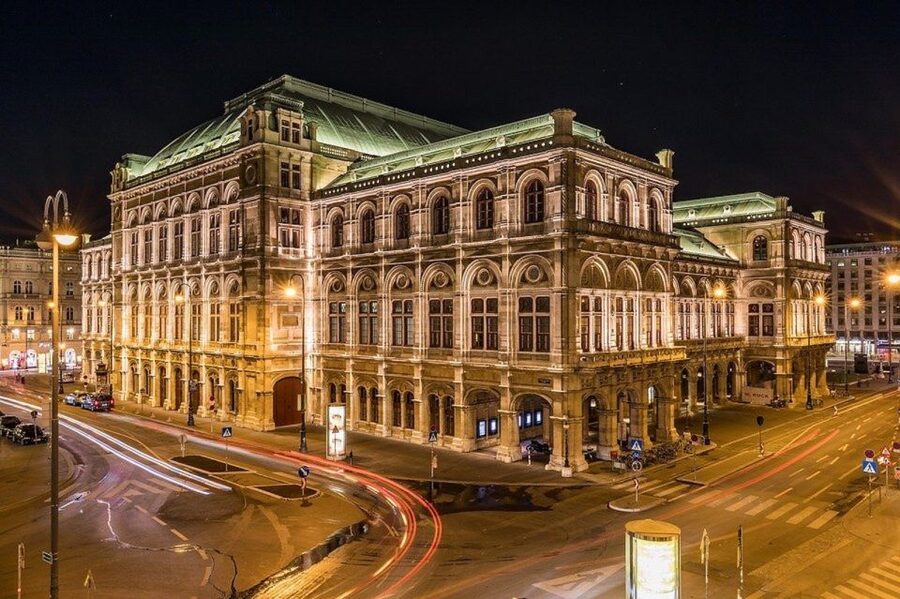
First, it ties the whole imperial plan together. The opera is one of the cultural anchors that the guide mentioned in the opening context, and it is fitting to end your route at the point that feels like the climax of the Ring’s public culture.
Second, it makes onward plans easier. You can keep wandering on foot from there, grab a bite, or simply use it as a landmark to reorient yourself.
Price and group value: $353 for up to 8 people
The price is $353 per group up to 8 people for a 2-hour guided walking tour. That is a group-based rate, not a per-person ticket, which can be a big deal if you are traveling with friends or family.
Here’s how I think about the value. You are paying for three things that are hard to recreate on your own:
- Guided background that explains why the Ringstrasse was built the way it was, including the wall demolition and the two-track story of rich patrons and harsh conditions for workers
- A curated set of stops that cover civic, educational, cultural, and symbolic sites in one loop
- The chance to ask questions during the walk, with a live guide in Polish, German, or English
Also, the tour includes guided city tour. You bring a public transport ticket because a tram ticket is not included. That means you will still be handling your own local transit, but the walking portion and story stops are the core product.
If you are traveling solo, it may feel pricey compared with entry-level group tours. If you have a small group and you want the Ringstrasse to make sense, it can be a very fair trade.
Practical tips so the two hours feel worth it
A walking tour lives or dies by comfort. Even though the route includes garden pauses, you will still be outside for the better part of the two hours.
Bring a public transport ticket because tram use is not included. If you plan to arrive by tram, budget that into your day.
Wear shoes that handle sidewalks and uneven stone. And if your language preference is Polish, German, or English, double-check your setup when booking so the guide for your language is clear.
One more tip: the guide’s style includes background information and intriguing stories. That works best if you keep curiosity switched on. If something grabs you, ask about it. The tour is structured so those questions fit.
Who this tour suits best
This is a strong choice if you:
- Want a focused, two-hour Ringstrasse orientation without building your own route
- Like architecture with context, not just photos
- Enjoy human stories attached to major buildings, from palace patrons to workers
- Prefer a private group format, which can feel calmer and more personal
It may not be the best fit if you want long museum time or you are trying to do Vienna primarily through indoor stops.
Should you book this Ringstrasse historic walking tour?
I’d book it if your goal is to understand why Vienna’s Ringstrasse looks like it does, and to connect the landmarks to the people and power behind them. The route has the essentials: Palais Ephrusi, Votive Church, the University of Vienna, City Hall, Burgtheater, Parliament, Heldenplatz, Museums, Volksgarten, and standout statues like mayor Liebenberg and Pallas Athene, plus an ending right by the Opera House.
The decision hinges on one thing: do you want a story-first walk? If yes, this tour has the right ingredients. If you prefer silence, self-paced wandering, and no group pace, you might want to consider doing the Ring on your own with a guidebook instead.
FAQ
How long is the Vienna Walking Tour of the Historic Ringstrasse?
The tour lasts 2 hours.
Where is the meeting point for the tour?
You meet at Liebenberg-Denkmal, Mölker Bastei 8, 1010 Wien. Arrive about 10 minutes before it starts.
What is the price?
It costs $353 per group, for up to 8 people.
Is hotel pickup and drop-off included?
No, hotel pickup and drop-off are not included.
Do I need a public transport ticket?
Yes, you should bring a public transport ticket. A tram ticket is not included.
Which languages are available for the live guide?
The live guide is available in Polish, German, and English.
Is the tour wheelchair accessible?
Yes, the tour is wheelchair accessible.
Is this tour private or shared?
It is a private group tour.
Where does the tour end?
The tour ends next to the Opera House.
What is the cancellation policy?
You can cancel up to 24 hours in advance for a full refund.
The Habsburg Map
- Vienna: Time Travel and Magic Vienna History Tour
★ 4.6 · 3,879 reviews - Time Travel-Magic Vienna History Tour Ticket
★ 4.5 · 1,099 reviews - Skip-the-Line Schonbrunn Palace Guided Tour and Vienna Historical City Tour
★ 3.5 · 940 reviews - Vienna Mozart Concert in Historical Costumes at the Musikverein
★ 4.5 · 888 reviews
Just added to the bill for Vienna
Guided Walks in Vienna, compared.
Guided Walking Tour of City Center Highlights
Read our review →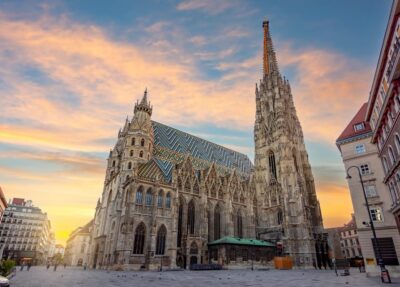
Guided Walking Tour of City Highlights & Hidden Gems
Read our review →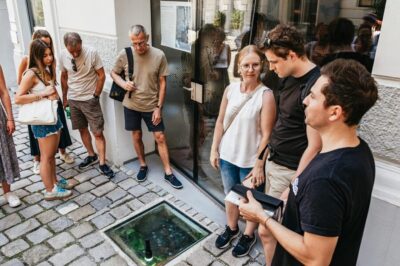
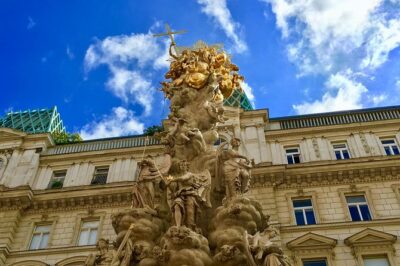
Vienna Historic Center Small Group Walking Tour
Read our review →
Ghosts and Legends Guided Nighttime Walking Tour
Read our review →Browse the lists this tour appears in