
REVIEW · HISTORICAL TOURS
Wilhering Abbey: Discover 875 years of history!
Seven centuries of quiet in one stop. Wilhering Abbey is interesting because it mixes museum storytelling with real space to rest, reflect, and linger, and I especially love the rococo church interior and the Abbey Café break in the Stiftshof courtyard. One possible drawback: with just a 30 minute museum window, you’ll want a plan so you don’t feel rushed when you could happily take your time.
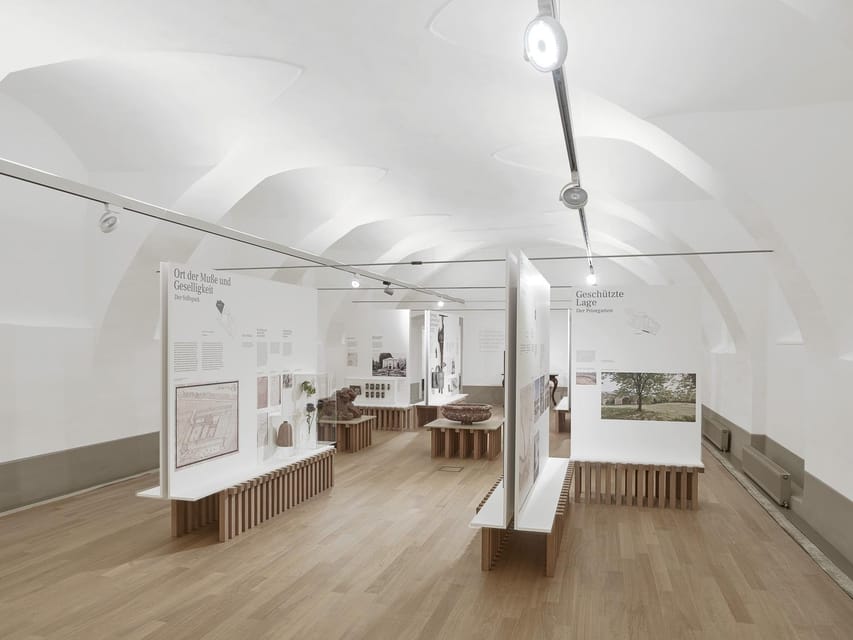
Inside, the museum is built to move you through ideas in layers. You’ll pass 7 exhibition rooms that each focus on a theme, yet all flow into each other, and there are interactive elements that make it easier for younger visitors to stay engaged.
Good news for your schedule: the collegiate church and cloister, the courtyard, and the abbey park are freely accessible, so you can keep exploring even if you focus your timed museum visit. The only real consideration is that the museum itself must be visited during opening hours.
In This Review
- Key things I’d prioritize at Wilhering Abbey
- Entering Wilhering Abbey Gate, where the visit starts to feel slower
- The 30-minute museum window, and how to not waste it
- Museum of Wilhering Abbey: 7 exhibition rooms that actually connect
- What the museum helps you understand fast
- The collegiate church and cloister: use your eyes, not your phone
- Stiftshof courtyard and abbey park: the pause that makes the whole stop worth it
- Abbey Gate: café, shop, and Benedict Hall in the old farm building
- Abbey Café in the Stiftshof courtyard
- Monastery Store for a takeaway
- Price and value: $7 for the museum, then free spaces
- Practical tips so your visit feels smooth
- Who Wilhering Abbey suits best
- Should you book Wilhering Abbey?
- FAQ
- How much does Wilhering Abbey admission cost?
- How long is the Wilhering Abbey museum experience?
- Where do I meet for the museum entrance?
- What is included with the admission price?
- Can I visit the church and cloister if I only have museum admission?
- Is Wilhering Abbey wheelchair accessible?
- When can I visit the museum?
- What is at the Abbey Café?
- Is there a shop on site?
- Can I reserve and pay later?
Key things I’d prioritize at Wilhering Abbey
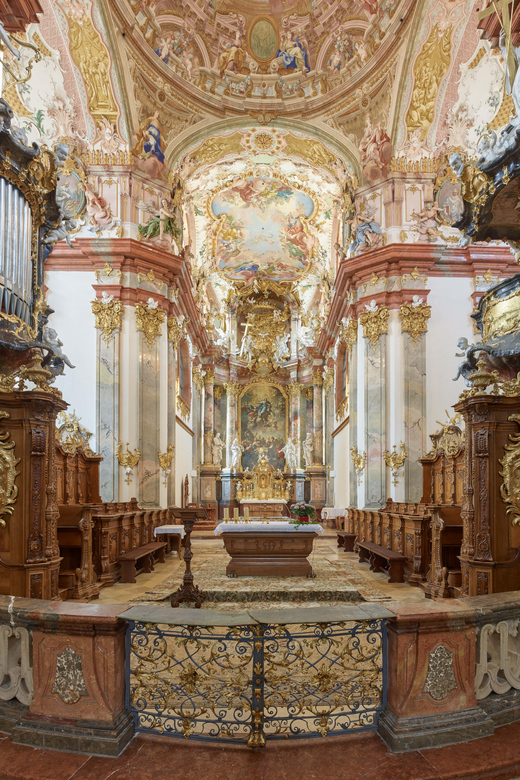
- Rococo church interior: take a few minutes to look slowly, not just walk through.
- 7 museum rooms, 7 themes: overview info first, then optional deeper details.
- Cistercian spirituality in plain language: you get the mindset behind ora et labora, not just dates.
- Free access to cloister, courtyard, and park: use your time to slow down outdoors.
- Abbey Gate for food and supplies: self-service Abbey Café in the Stiftshof courtyard plus a monastery shop.
- Two-level info designed for different interests: useful if you want quick facts or more background.
Entering Wilhering Abbey Gate, where the visit starts to feel slower
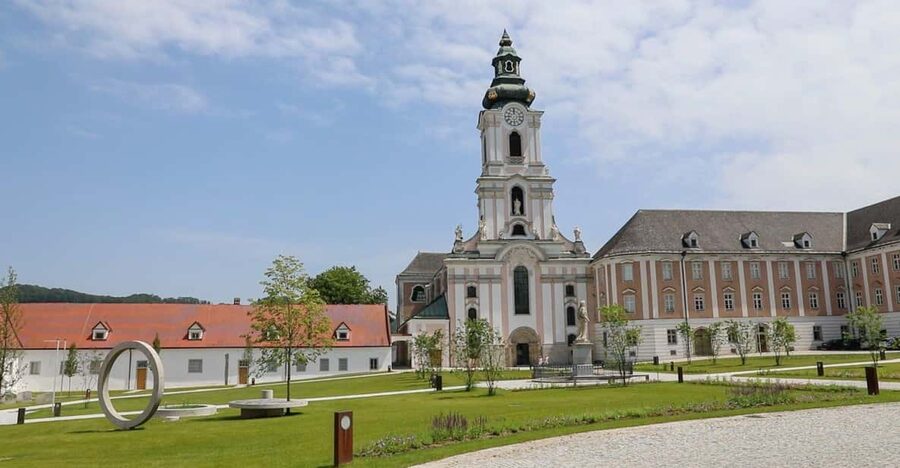
Wilhering Abbey is in Upper Austria, and the experience has a simple rhythm: arrive through the monastery gate, get oriented, then step into a place that clearly expects you to pause. Even if your museum time is short, the site is set up so you can still make it feel unhurried.
Your first point of contact is the museum entrance in the monastery gate or the monastery café. If you need help picking where to start, the staff in the monastery café will point you the right way.
The 30-minute museum window, and how to not waste it
The museum admission is valid for 30 minutes from first activation, so treat that time like your “core visit.” You can’t just wander randomly and hope it works out, because the museum part is the one with a strict time limit.
Here’s the smart approach: decide what your “must see” is before you enter. For me, it’s usually the storyline about Wilhering Abbey itself, plus the Cistercian spirituality section tied to ora et labora. Then I leave the rest of my time flexible for whatever catches my attention as I move room to room.
One more practical note: the museum can only be visited during opening hours. So even if you’re planning a quick stop, check the opening times on the abbey’s website before you head over.
Museum of Wilhering Abbey: 7 exhibition rooms that actually connect
I like how the museum is structured. It’s not just one long gallery that tries to teach everything at once. Instead, you move through 7 exhibition rooms, each with its own theme, and the themes gradually blend into the bigger picture of Wilhering Abbey’s history and spirituality.
A curator, Lydia Altmann, explained that the museum was designed with two levels of information. First, you get overview information that helps you understand the theme of each room. Second, there are ways to go deeper into individual topics if you want more detail.
There’s also a built-in “different pace” for younger visitors. Various interactions provide an entertaining tour for kids, which usually means adults get better signage and clearer structure too. If you’re traveling with family, this is one of those places where you don’t have to choose between a meaningful stop and keeping everyone happy.
What the museum helps you understand fast
You’ll mainly get context around:
- the abbey and its history
- Cistercian spirituality and how their motto ora et labora shapes daily life
- important personalities connected to the abbey
You don’t need to be a church-history expert to get value here. The museum is designed to connect beliefs and work with real-world history, so it feels less like memorizing and more like making sense of why the abbey looks the way it does.
The collegiate church and cloister: use your eyes, not your phone
After the museum, you have free access to the collegiate church and cloister. This is where the visit stops feeling like “content” and starts feeling like a real place.
The highlights for many visitors are the church interiors, and Wilhering Abbey is known for one of Europe’s fine rococo churches. In a short stop, you won’t be able to admire every detail, so here’s what works best: stand still in one spot for a minute, then let your eyes travel. Look for how the ornamentation guides you, not just how much decoration there is.
The cloister area also matters because it creates that monastery logic of quiet movement. Even if you don’t study the architecture, you’ll feel the pace change. It’s the kind of space where you naturally slow down, because there’s no reason to rush.
Potential drawback: if you’ve been moving fast through the museum to fit the 30 minutes, the church might feel like a separate “thing” rather than a continuation. Give yourself a small reset. Walk in, breathe out, then start looking.
Stiftshof courtyard and abbey park: the pause that makes the whole stop worth it
One of the most practical parts of this experience is that the courtyard and park are freely accessible. That means you can turn the visit into something more than a museum sprint.
The Stiftshof courtyard is also where the Abbey Café sits, which is a clever setup. You can see the church and abbey spaces, then reward yourself with a break without having to go anywhere else. If you only have a short time in Wilhering, this is exactly the kind of convenience that makes it feel like good planning, not just good luck.
In the abbey park, aim for a slow stroll rather than a checklist. You’ll get value just by being in the same grounds where monastery life has shaped daily rhythm for hundreds of years. It’s not a theme park. It’s space to think.
Abbey Gate: café, shop, and Benedict Hall in the old farm building
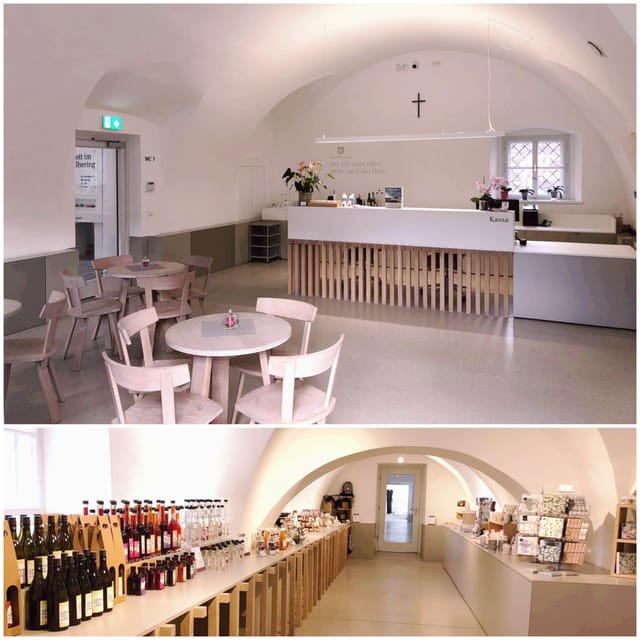
The Abbey Gate area is the hub for hospitality and small purchases. Here, the café, shop, and the Benedict Hall are located in the former farm of the abbey.
Abbey Café in the Stiftshof courtyard
I like how the Abbey Café is set up as self-service, which keeps things simple when you’re on a tight schedule. You can grab cakes, coffee, drinks, and abbey snacks.
And yes, food is part of the experience here. It’s not a random stop, it’s placed right where you can sit in the courtyard and enjoy the setting. If you’re traveling in cool weather or after a long day, this is the kind of place where a hot drink and a sweet treat becomes more than calories.
Monastery Store for a takeaway
If you want a souvenir that’s actually useful, the Monastery Store sells products including wine from the abbey’s leased vineyards near Krems. You can also find other items, but the wine connection to nearby vineyards is the clear standout detail.
Even if you don’t buy anything, browsing the store helps you understand how the abbey’s life connects to the region.
Price and value: $7 for the museum, then free spaces
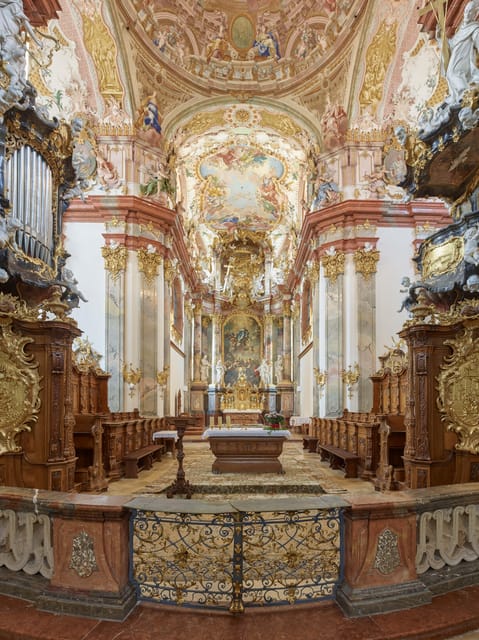
At about $7 per person, the museum admission is a bargain for what you get in context. The strongest value is not just “7 rooms.” It’s that the museum gives you a framework, then you immediately have free access to the collegiate church, cloister, courtyard, and abbey park.
That combination matters. Many attractions charge for the experience but don’t give you time to absorb what you’re seeing. Here, you can spend your paid time learning, then spend your free time letting it land in the real spaces.
There’s also the café value. Self-service cakes and drinks are part of the stop, and staying on site means you don’t lose your momentum to transport or finding another place to eat.
Practical tips so your visit feels smooth
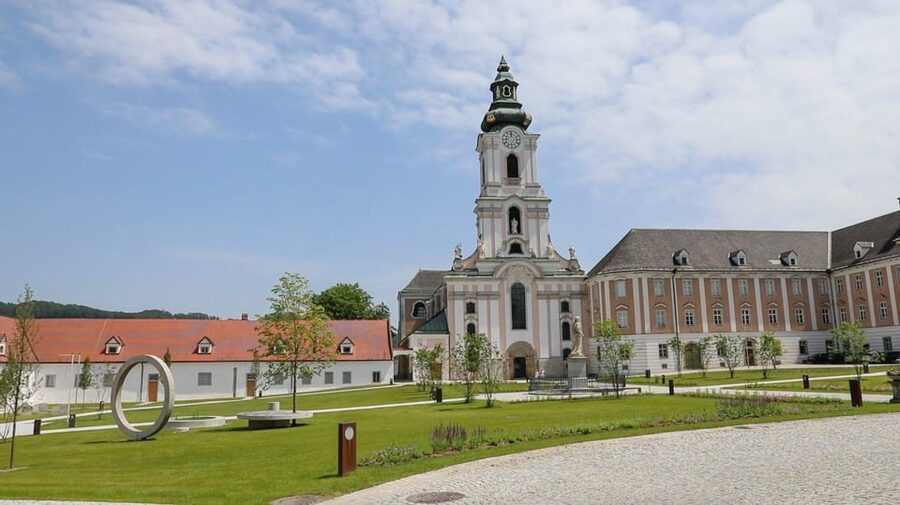
A few small choices make a big difference at Wilhering Abbey:
- Start the museum time first, then plan your outdoors. Since the 30-minute window is tied to first activation, don’t delay your entry if you want to see everything.
- Pick one deeper theme inside the museum. The museum has two levels of information. If you try to read every layer in 30 minutes, you’ll get overloaded. Choose one theme you care about.
- Take a “slow look” break in the church. Even 60 seconds of stillness helps you appreciate rococo details without trying to study them like a textbook.
- Use the courtyard café as your reset. Coffee and cake in the Stiftshof courtyard is an easy way to shift from museum brain to monastery calm.
- Bring a flexible mindset. The museum visit depends on opening hours, so plan your day around the abbey’s timetable, not the other way around.
Who Wilhering Abbey suits best
This is a great fit if:
- you like history, but you want it explained clearly instead of as a random list
- you enjoy church interiors and want to see rococo artistry in a real monastery setting
- you want a short stop that still feels meaningful
- you’re traveling with kids and want interactive elements without turning the day into chaos
It might be less ideal if:
- you expect a guided, full-length tour that fills every minute with commentary. This experience is structured for museum self-paced learning plus freely accessible spaces.
- you want a long, multi-hour exploration. The museum is timed, and the most meaningful “slow day” pace happens outside the timed part.
Should you book Wilhering Abbey?
If you have a spare hour and you like history with a calm, human pace, I’d say yes. The admission price is low, the museum structure helps you understand the abbey’s story quickly, and the free church, cloister, courtyard, and park make the whole visit feel complete even with a 30-minute museum window.
Book it if you want a practical, satisfying stop in Upper Austria where the architecture and the café are part of the same experience. Skip it only if your schedule is so tight that you can’t meet the museum’s opening hours or you’re looking for a long guided tour.
FAQ
How much does Wilhering Abbey admission cost?
It costs $7 per person.
How long is the Wilhering Abbey museum experience?
The museum is valid for 30 minutes from first activation.
Where do I meet for the museum entrance?
The museum entrance is in the monastery gate or in the monastery café.
What is included with the admission price?
Admission includes the Wilhering Abbey museum. The church, cloister, abbey courtyard, and abbey park are freely accessible.
Can I visit the church and cloister if I only have museum admission?
Yes. The church, cloister, courtyard, and abbey park are freely accessible.
Is Wilhering Abbey wheelchair accessible?
Yes, it is wheelchair accessible.
When can I visit the museum?
The museum can only be visited during opening hours, so you’ll need to check the abbey’s homepage.
What is at the Abbey Café?
The Abbey Café offers self-service cakes, coffee, drinks, and abbey snacks.
Is there a shop on site?
Yes. There is a Monastery Store and also a shop in the former farm area near the Abbey Gate.
Can I reserve and pay later?
Yes, the booking allows reserve now and pay later.
The Habsburg Map
- Vienna: Time Travel and Magic Vienna History Tour
★ 4.6 · 3,879 reviews - Vienna: World War II Historical Walking Tour
★ 4.8 · 1,772 reviews - Vienna Historic Center Small Group Walking Tour
★ 5.0 · 1,746 reviews - Time Travel-Magic Vienna History Tour Ticket
★ 4.5 · 1,099 reviews
Just added to the bill in Austria


Historical Tours, compared.

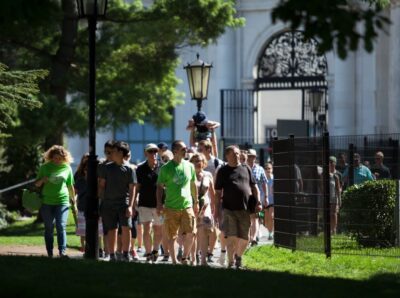
Vienna Historic Center Small Group Walking Tour
Read our review →

Skip-the-Line Schonbrunn Palace Guided Tour and Vienna Historical City Tour
Read our review →
Vienna Mozart Concert in Historical Costumes at the Musikverein
Read our review →
Browse the lists this tour appears in