REVIEW · TICKETS
Mozarthaus Vienna Admission Ticket
Mozart’s Vienna rooms feel close. The Mozarthaus Vienna exhibition gives you a focused look at his peak creative years, anchored by the apartment he lived in from 1784 to 1787. I especially like the way the museum is built in three floors, so you can follow Mozart’s life from personal context to the music he made. I also like the included audio guide, offered in English with options in many other languages, which keeps the visit moving at your pace. One drawback to keep in mind, the display is heavy on interpretation and educational presentation, so it is not a house full of original, restored furnishings everywhere you look.
If you want great music without a long commitment, this is a smart stop. The admission ticket costs about $19.27 per person and gives you entry plus an audio guide in 13 languages for adults, and 8 for children. Plan on 1 to 2 hours, which is plenty time to wander slowly, especially if you pause for manuscripts and listening moments.
For planning, you can rely on consistent daily hours, generally 10:00 AM to 7:00 PM. It also sits near public transportation, and it is easy to pair with a classic Vienna walk in the St. Stephen’s area, since Mozarthaus is nearby, along with other Mozart related sights.
In This Review
- Key Things to Know Before You Go
- Mozarthaus Vienna, where Mozart’s “Vienna years” take shape
- Price and time, is this a good value stop in Vienna?
- Your path through Mozarthaus, three floors that move from life to music
- Third floor: Mozart’s personal and social Vienna
- Second floor: colleagues, and the collaboration machine behind the operas
- First floor: Mozart’s apartment, the centerpiece you came for
- The included audio guide, how to use it without slowing down
- Figaro, Don Giovanni, and Haydn Quartets, learning the “connections” that matter
- What to expect from the museum displays, and what not to assume
- Rules of thumb: photos, flow, and how to avoid bottlenecks
- Pair it with nearby Mozart sights, because Vienna is a walkable story
- Who should book Mozarthaus Vienna Admission Ticket?
- Should you book this Mozart experience?
- FAQ
- How much does the Mozarthaus Vienna admission ticket cost?
- How long should I plan to spend at Mozarthaus Vienna?
- Is the admission ticket mobile, and do I get confirmation when booking?
- What languages are available for the audio guide?
- What is included in the ticket price?
- What is not included with the admission ticket?
- What are the opening hours?
- Is Mozarthaus Vienna near public transportation?
- Are service animals allowed?
- Is there free cancellation, and what is the cutoff?
Key Things to Know Before You Go
- Three floors, one clear story: personal and social Vienna up top, creative collaborations in the middle, the apartment you care about most at the bottom.
- The apartment is the centerpiece: the residence Mozart’s family lived in from 1784 to 1787 is still intact today.
- Included audio guide does the heavy lifting: available for adults in 13 languages, kids in 8, plus English.
- Music links you can feel: Figaro, Don Giovanni, and the Haydn Quartets are part of the narrative, not just names on a wall.
- Small-group feel: the experience lists a maximum of 10 travelers, which usually means less crowd friction.
- Expect interpretation, not a movie set: some displays are more about documents and explanation than a fully restored room-by-room reconstruction.
Mozarthaus Vienna, where Mozart’s “Vienna years” take shape
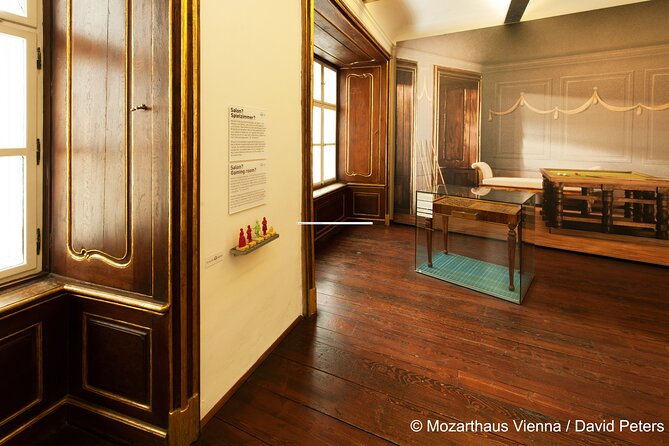
Mozarthaus Vienna is built around a simple idea: Mozart’s greatest run in Vienna was not random. It was tied to where he lived, who he worked with, and the very specific musical and social world around him.
The museum starts with the human side. Mozart wrote that the place he was describing was magnificent, back in 1781, and the exhibition uses that kind of historical anchor to set the scene for his later life in Vienna. Then it walks you toward the center of the story, his apartment in the city, where his work rate and creative momentum hit a high point.
What makes this visit feel worthwhile is that it is not only about the famous pieces. You get context that helps the music make sense: the colleagues he leaned on, the theater partnerships he navigated, and the way Vienna shaped his output.
Held over another night in Vienna
- Vienna: Vivaldi’s Four Seasons Concert in Karlskirche
★ 4.7 · 14,951 reviews - Vienna: Spanish Riding School Training
★ 3.9 · 9,281 reviews - Vienna: Schönbrunn Palace & Gardens Skip-the-Line Tour
★ 4.7 · 7,739 reviews - Vienna: Light of Creation Votive Church Immersive Light Show
★ 4.8 · 6,779 reviews
Price and time, is this a good value stop in Vienna?
At about $19.27 per person, this is priced like an admission ticket to a focused museum experience. The value comes from what you actually get: entry to Mozarthaus plus an audio guide included in the ticket price.
Time wise, you are looking at 1 to 2 hours. That range matters because Vienna is full of “one more place” temptations. This one can fit into a smart schedule, whether you are doing a half-day plan around the center or you want a calm indoor break after a long walk.
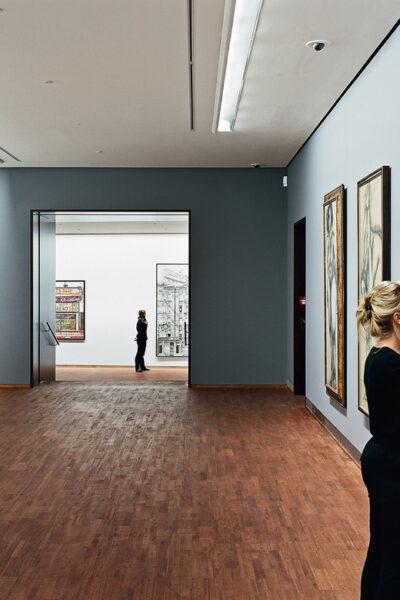
If you are the type who likes to linger, you can. The exhibition is spread across multiple levels and it is easy to slow down with the audio guide while you look at documents, look around the apartment spaces, and connect the story sections.
Your path through Mozarthaus, three floors that move from life to music
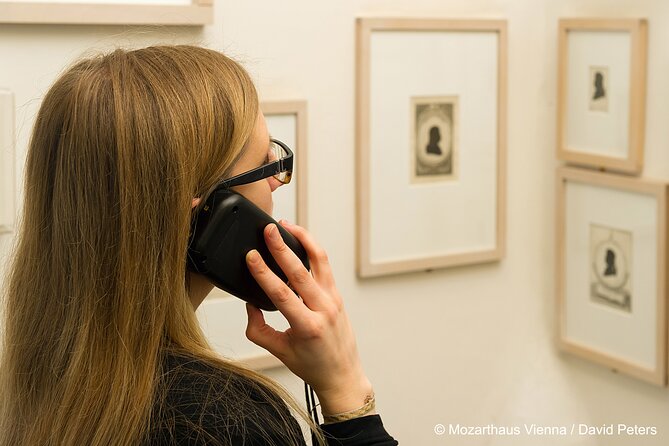
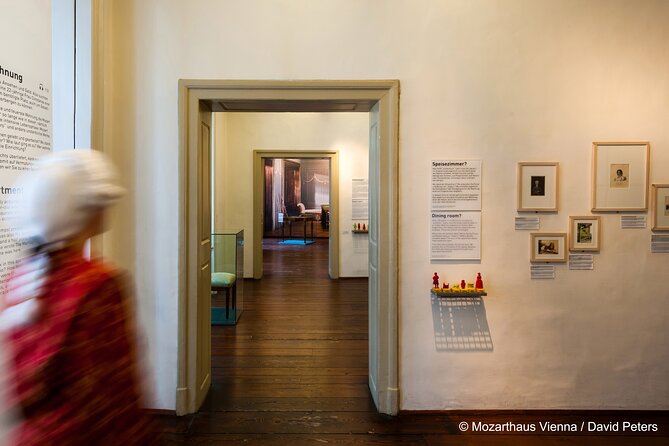
Mozarthaus Vienna is laid out across three floors, and each one plays a different role. The trick is to treat it like a story that changes focus as you go up and down.
Third floor: Mozart’s personal and social Vienna
On the top level, the exhibition focuses on Mozart’s personal and social situation in Vienna. This is where the museum gives you the “why Vienna mattered” context, so later sections feel less like a history lecture and more like a map of his working world.
If you are a music fan who hates getting lost in dates, this floor helps you get grounded. It is the part that explains the environment, so you can understand the relationships and pressures that came with living in the city during his high output years.
After the interval, more from Vienna:


Second floor: colleagues, and the collaboration machine behind the operas
The middle floor is where Mozarthaus really speaks to fans of Mozart’s larger works. It looks at Mozart’s main musical and composer colleagues in Vienna, and it connects him with the librettist Lorenzo da Ponte.
This is important because Mozart did not write in a vacuum. The exhibition points you toward the creative partnership behind major operas, including The Marriage of Figaro and Don Giovanni. Even if you already know the operas by name, you will likely appreciate how the museum frames these works as the result of specific people, timing, and collaborations.
First floor: Mozart’s apartment, the centerpiece you came for
The first floor is the payoff. This is the apartment where Mozart and his family lived from 1784 to 1787, and it is described as the largest, most elegant, and expensive apartment Mozart ever occupied. It is also the only one still intact today.
This matters because the museum is not just talking about history in the abstract. You are standing in the physical setting tied directly to major output. During these years, Mozart wrote The Marriage of Figaro and three of the six Haydn Quartets. That is exactly the sort of detail that turns a museum visit into a “now I get it” moment.
Practical note: because this is an apartment space tied to history, you tend to notice layout and atmosphere more than you do in a modern gallery. It is a different kind of viewing experience, more intimate and less like a display case crawl.
The included audio guide, how to use it without slowing down
You get an audio guide included with admission, and it is available in 13 languages for adults and 8 for children. English is offered, so it works even if you do not want to rely on translation on your phone.
The best way to use it is to let the audio guide lead you through the story you are seeing. When you reach a section tied to a composer or an opera collaboration, pause for the relevant track. That is where the museum’s setup pays off, because the audio helps you connect what you are seeing on the walls to the music you already know.
One small planning win, you should not need to bring your own headphones. That makes it easier when you are traveling light and already carrying a phone charger, water bottle, and whatever else Vienna throws at you.
Also, because the visit is roughly 1 to 2 hours, the audio guide helps you avoid the trap of reading everything but getting bored. Instead, you get the key points at the right pace.
Figaro, Don Giovanni, and Haydn Quartets, learning the “connections” that matter
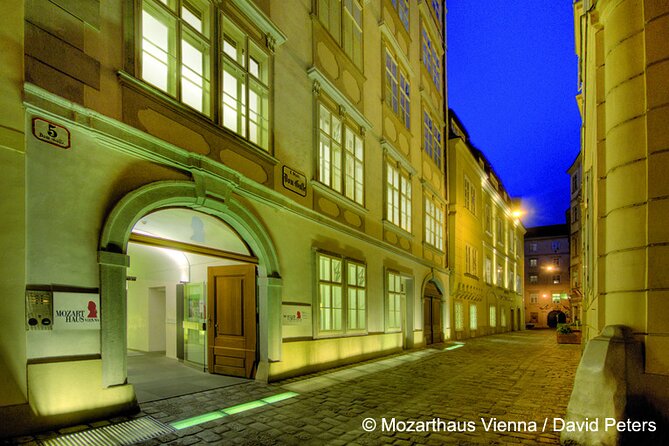
Mozart’s genius in Vienna is easier to appreciate when you see how the museum links events and relationships to output. Mozarthaus does this with specific anchors.
On the collaboration side, it highlights Lorenzo da Ponte and ties that partnership to The Marriage of Figaro and Don Giovanni. If you love opera, this framing is a gift. It turns the operas from standalone masterpieces into part of a living creative system.
On the apartment side, it ties Mozart’s residence years directly to what he produced. Between 1784 and 1787, he wrote The Marriage of Figaro and three of the six Haydn Quartets. That is a strong trio of facts to keep in mind as you walk the apartment spaces. It is the difference between admiring Mozart and understanding why those works belong to that address.
What to expect from the museum displays, and what not to assume
Here is the honest expectation check. This is not described as a fully restored, room-by-room recreation with every object taken from Mozart’s time. It is more focused on the exhibition and the apartment’s historical authenticity, supported by documents, educational interpretation, and multimedia elements.
So you might notice that some things feel like copies or explanatory displays rather than direct artifacts from Mozart’s own day. If you want a hands-on “museum of original objects everywhere” experience, you could end up wishing for more physical items.
That said, the museum is still praised for helping people understand Mozart as a person, not only as a composer. The mix of historical material, manuscript-related moments, and audio support is what makes it work. You leave with more than recognition. You leave with context you can carry into the rest of your Vienna day.
Rules of thumb: photos, flow, and how to avoid bottlenecks
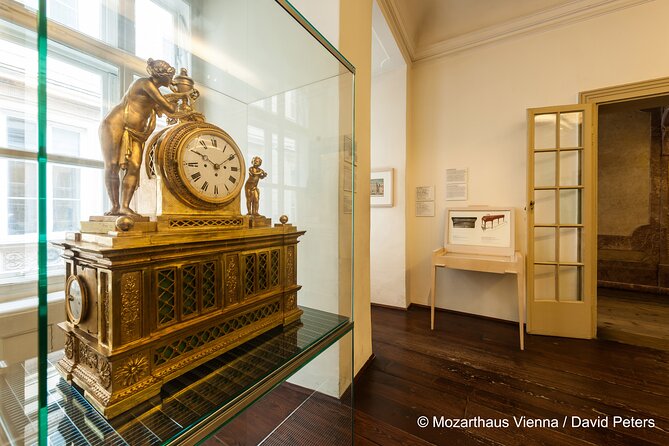
A practical heads-up based on the experience style here: photos are restricted inside. Plan to rely on what your eyes capture and use outside views for your camera moments.
As for flow, the building itself is part of the experience. Three floors means you can step into a new “chapter” every time you change levels. It also helps you avoid crowding fatigue. Even when the place is busy, the story keeps shifting, which gives your brain a reason to keep moving.
If you want the calm version of this visit, aim for earlier in the day when possible. The museum runs daily until 7:00 PM, so you have flexibility, and a quieter first hour can make the apartment floor feel more personal.
Pair it with nearby Mozart sights, because Vienna is a walkable story
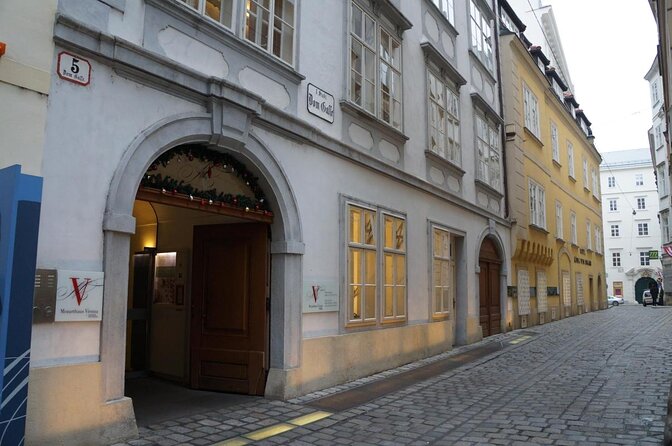
Mozarthaus Vienna sits near St. Stephen’s Church, and that alone is a big reason it fits well into a classic city itinerary. It is easy to combine with a walk around the center, then step inside for the more reflective Mozart-focused break.
If you are trying to “stack” Mozart moments, this area also connects well to other Mozart related stops, including a house tied to where he died that many visitors find worth adding nearby. The point is simple: you can make Mozart feel like a walking route, not just a museum label.
So here is a good rhythm: do a morning or afternoon loop in the St. Stephen’s area, come to Mozarthaus with a little momentum, then use your remaining time to keep exploring the streets and squares around the sights.
Who should book Mozarthaus Vienna Admission Ticket?
This is a great match for:
- Mozart fans who want the apartment connection, not just a general museum overview
- Music lovers who enjoy context, especially around Figaro, Don Giovanni, and Mozart’s collaborations
- People with limited time who still want a meaningful Vienna experience in 1 to 2 hours
- Families who can use the audio guide in children’s languages
It is less ideal if:
- You want a heavy concentration of original objects in a fully restored house feel
- You expect a guided group tour experience with a long, live narration timeline, instead of an audio guided exhibition format
Should you book this Mozart experience?
Yes, if you want a focused Vienna stop that connects Mozart’s life to his work, this ticket is a solid buy. At $19.27 with an included multilingual audio guide and a realistic 1 to 2 hour visit window, it is priced for what you actually receive: access plus context plus the apartment centerpiece.
Book it sooner rather than later if you are traveling in a busy season, since it is commonly reserved about 33 days in advance on average. And if you are deciding between “one more museum” options, choose Mozarthaus when you care about the Vienna years and want a physical setting tied to Mozart’s major output.
FAQ
How much does the Mozarthaus Vienna admission ticket cost?
The price is $19.27 per person.
How long should I plan to spend at Mozarthaus Vienna?
Plan on about 1 to 2 hours.
Is the admission ticket mobile, and do I get confirmation when booking?
Yes, it is a mobile ticket, and you receive confirmation at the time of booking.
What languages are available for the audio guide?
The audio guide is available in 13 languages for adults and 8 languages for children, and the experience is offered in English.
What is included in the ticket price?
Your ticket includes admission to Mozarthaus Vienna and an audio guide.
What is not included with the admission ticket?
Food and drinks are not included, and hotel pickup and drop-off are not included.
What are the opening hours?
From 01/01/2024 to 12/31/2025, it is open Monday through Sunday from 10:00 AM to 7:00 PM. From 01/01/2026 to 12/31/2026, it is also open Monday through Sunday from 10:00 AM to 7:00 PM.
Is Mozarthaus Vienna near public transportation?
Yes, it is near public transportation.
Are service animals allowed?
Yes, service animals are allowed.
Is there free cancellation, and what is the cutoff?
Yes, you can cancel for free up to 24 hours in advance for a full refund. If you cancel less than 24 hours before the start time, the amount is not refunded.
Just added to the bill for Vienna

Tickets, compared.
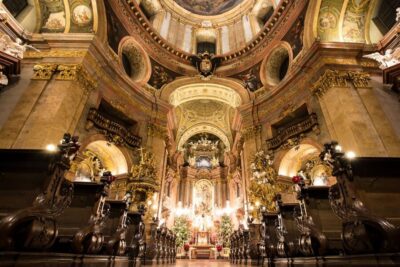
Classic Ensemble Vienna in St. Peter’s Church Ticket
Read our review →
Vienna Kunsthistorisches Museum Day Admission Ticket
Read our review →
Vienna PASS: All incl. Sightseeing Pass for 85+ Attractions
Read our review →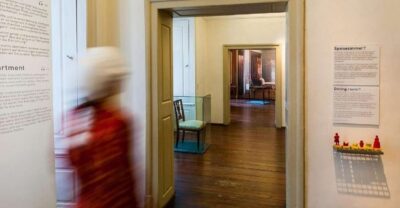
Tickets for Mozarthaus Vienna with Audio Guide
Read our review →
Skip-the-Line Entrance Ticket to the Danube Tower
Read our review →