
REVIEW · HISTORICAL TOURS
Private tour of historical Vienna with Jan
Vienna makes sense in a single walk. This private tour with Jan Kepinski skips the big, impersonal shuffle and turns major sights into a clear story of the city, I love the way the Habsburg sites connect like one timeline, and I also love the real Vienna pause at Conditorei SLUKA. The only drawback to plan for is that some headline stops are brief, so you will not get an all-day, deep museum experience inside major buildings.
You start at Stephansplatz and finish at the Naschmarkt open-air market, which is a smart way to build your day. With pickup offered, a mobile ticket, and an English guide, it is designed so you can focus on walking, looking, and asking questions rather than figuring logistics on the fly.
In This Review
- Key Takeaways Before You Go
- Why This Vienna History Walk Starts at Stephansplatz
- Jan Kepinski and the Real Value of a Private Guide
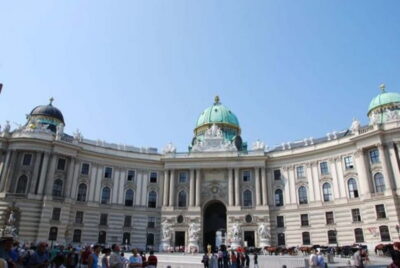
- Hofburg Palace Courtyards: The Habsburg Story You Can Walk Around
- Heldenplatz and Maria Theresien Square for Big, Photo-Friendly Imperial Energy
- St. Stephen’s Cathedral and the Jesuits Church: Where Short Stops Still Land
- Conditorei SLUKA Coffee Break: More Than Sugar, a Window Into Daily Vienna
- Stadtpark, Ringstrasse Views, and a Short Escape From Old Streets
- Graben and Kohlmarkt: Luxury Shopping Streets With Smart Context
- From the Old Center to Naschmarkt: Your Next Move After the Tour
- Who This Tour Fits Best
- Price and Value: What $432.53 Per Group Gets You
- Should You Book This Private Tour With Jan Kepinski?
- FAQ
- How long is the private historical Vienna tour?
- What is the group size and price?
- Where do we meet and where does the tour end?
- Is pickup offered?
- What language is the tour in?
- What is included in the tour?
- Is admission included for the stops?
Key Takeaways Before You Go
- Private small-group format (up to 10) for better pacing and questions
- Habsburg-focused stops around Hofburg courtyards and nearby imperial landmarks
- Short, high-impact photo moments at Heldenplatz and Maria Theresien Square
- A traditional coffeehouse break at Conditorei SLUKA, with Art Nouveau charm
- A practical end point at Naschmarkt to keep exploring right after the tour
- English-speaking, state-licensed guidance that stays lively and easy to follow
Why This Vienna History Walk Starts at Stephansplatz
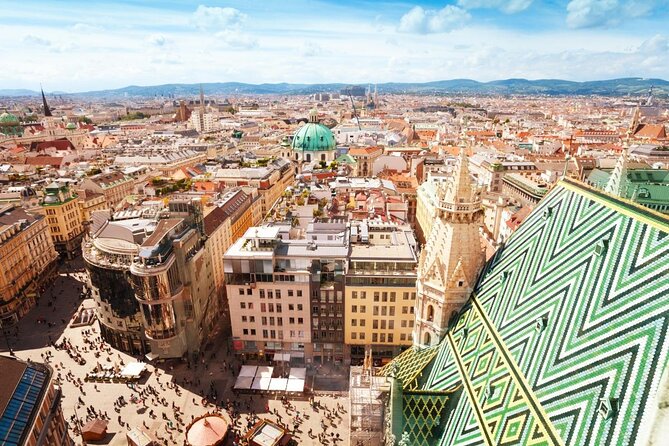
Stephansplatz puts you in the middle of Vienna’s old core, close to the spiritual and geographic center of the city. From there, the route naturally “fans out” so you can grasp where the power buildings sit, where the cultural institutions cluster, and why the streets feel the way they do.
I like that this tour is set up as orientation plus highlights. You get a grounded sense of how Vienna’s historic center works, so later, when you wander on your own, streets and buildings stop looking random. You also get practical context about eating and shopping, which matters in Vienna because the “best move” is often timing and location, not just finding a place on a map.
One more smart point: the tour ends at Naschmarkt. That is not an awkward dead end. It is a lively place to keep the day going, grab a snack, or simply watch daily life in motion.
More centuries of the Habsburg map:
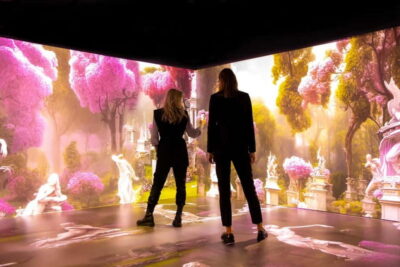
- Vienna: Time Travel and Magic Vienna History Tour
★ 4.6 · 3,879 reviews - Vienna: World War II Historical Walking Tour
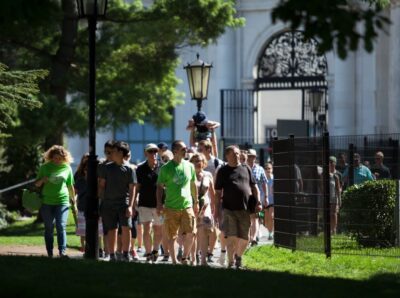
★ 4.8 · 1,772 reviews - Vienna Historic Center Small Group Walking Tour
★ 5.0 · 1,746 reviews - Time Travel-Magic Vienna History Tour Ticket
★ 4.5 · 1,099 reviews
Jan Kepinski and the Real Value of a Private Guide
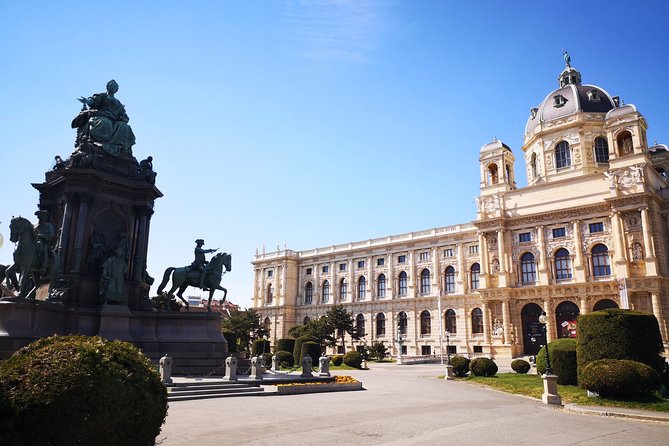
The biggest value here is not just access. It is the format. A private guide means you can ask follow-up questions when something clicks, like why an empire shaped this city’s architecture, or why certain squares and facades look the way they do.
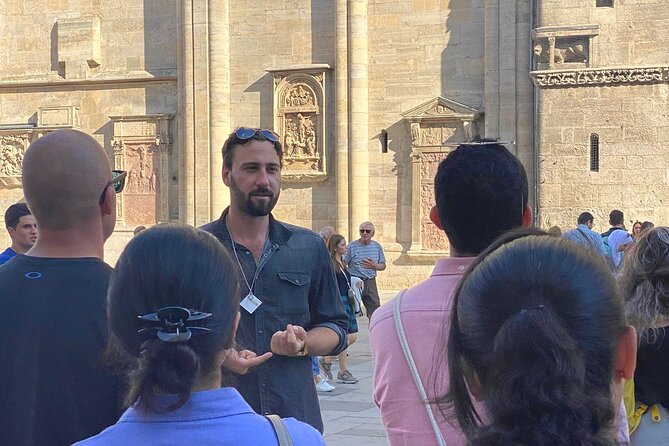
Jan Kepinski is a state-licensed guide, and the style described in the experiences is storytelling with clear explanations. That matters because Vienna’s history can feel abstract if you only see plaques and dates. Here, the goal is that the city starts making sense. Many people also highlight how well the tour stays paced, with the right balance between moving through streets and pausing to look properly.
You also benefit from the small-group size, up to 10 people. That is large enough to share the experience, but small enough that your questions do not get lost in the shuffle of a mass group.
Potential consideration: if you want lots of long interior time, this is not designed as a full museum crawl. It is more of a focused walking overview with several short stops, then one longer break for coffee.
Hofburg Palace Courtyards: The Habsburg Story You Can Walk Around
The Hofburg is the former grand palace complex of Austria’s rulers, and the clever move is starting with the outer courtyards rather than rushing into a single room. The Hofburg is described as a patchwork of different wings and palace buildings from different periods and different rulers. Seeing the courtyards first helps you understand that it is not one uniform building. It is layers.
Jan’s approach here is about the Habsburg dynasty as lived history. You are not just looking at stone. You are learning why the empire shaped administrative power, how the palace functioned over time, and how the city’s identity grew around that political center. For many first-time visitors, this is the “aha” stop, because it connects the dots between architecture and governance.
What to watch for: courtyards give you strong photo angles and a sense of scale without the stress of fighting crowds inside. If you are someone who hates rushing, this portion is a good match.
Heldenplatz and Maria Theresien Square for Big, Photo-Friendly Imperial Energy
After Hofburg, the tour shifts to two key outdoor statements of the empire.
At Heldenplatz, the emphasis is on grandeur and on stories tied to the Austrian Empire’s heroes. This is a quick stop, about 15 minutes, but it is built for impact. You get a sense of how the city used public squares to project identity. The National Library palace also factors into the view, so even in a short window, you understand why this area feels monumental.
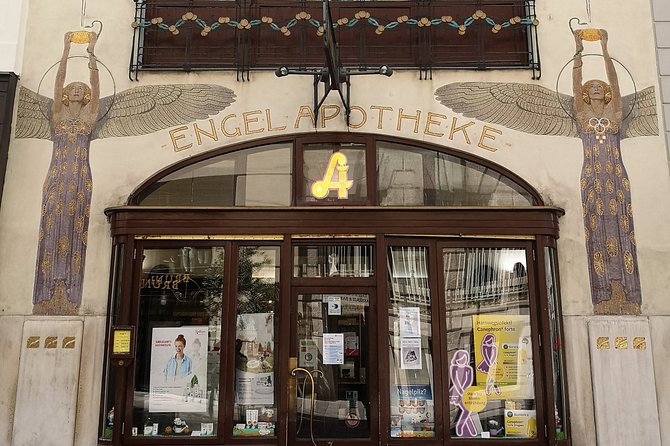
Then comes Maria Theresien Square, framed by the twin museums: Natural History and Art History. The square centers on a memorial to Maria Theresia, one of the most important Habsburg rulers. The tour context here is modernization and state-building, including the move toward a centralized system and the rise of a new middle class tied to bureaucratic work.
Practical tip: bring your “slow eyes” here. Even though the stops are short, take a few minutes to look up and around before snapping photos. These squares reward attention to symmetry, facades, and how buildings align with each other.
Held over another night in Vienna
St. Stephen’s Cathedral and the Jesuits Church: Where Short Stops Still Land
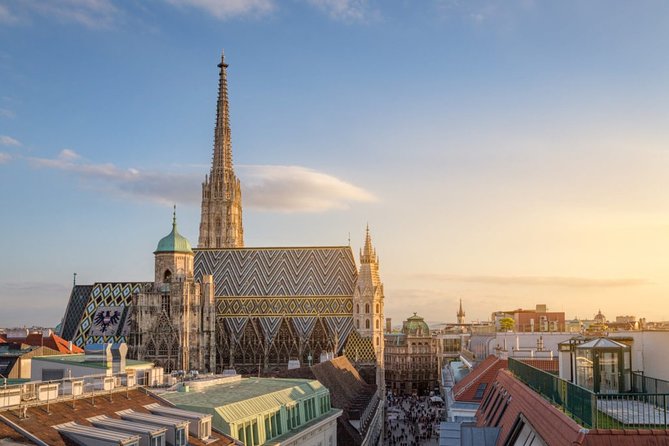
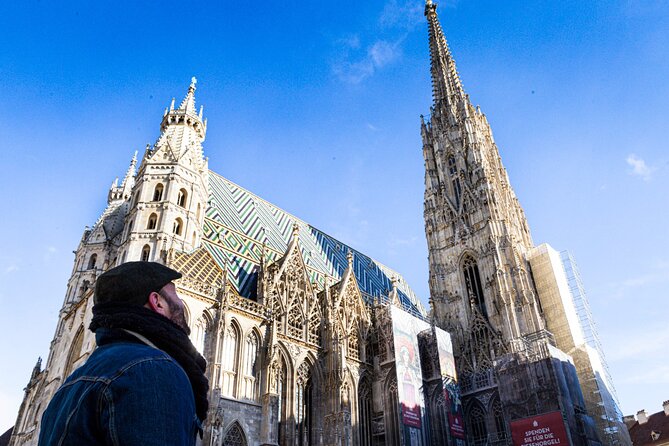
St. Stephen’s Cathedral is the spiritual and geographical heart of Vienna. Construction spanning many decades and multiple styles means you can read a whole story just by looking closely. In this tour, you will spend about 10 minutes at the cathedral, which is short. So think of it as a first encounter, not a full exploration.
The good news is that a guide like Jan can point out the details that make the cathedral feel alive. One experience even described a playful way of spotting hidden clues and secrets, which is a great tactic if you want to feel engaged even in a brief stop.
After that, you move to the Church of the Jesuits. This is a baroque church that many people miss because it is not always on the top list. Here, the value is in seeing baroque decoration in a way that feels theatrical but still grounded. Again, it is about 10 minutes, so your goal is to absorb the look and understand why baroque in Vienna feels so expressive.
Consideration: if you have your heart set on long interior time at either church, you will need to plan an extra stop on your own later.
Conditorei SLUKA Coffee Break: More Than Sugar, a Window Into Daily Vienna
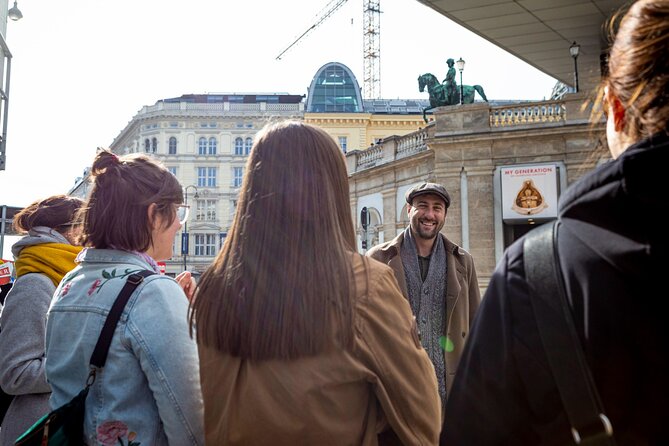
At some point, your feet and your brain want a reset, and this tour includes a proper break at Conditorei SLUKA, a traditional Viennese coffee house with Art Nouveau style. The stop is around 30 minutes.
This is one of the most praised parts, and for good reason. Vienna’s coffeehouse culture is not just a place to sit with cake. It is part of how locals slow down, talk, and watch the world. Even if you do not think you are a coffee person, the experience helps you understand why Vienna feels livable.
Practical advice: treat the coffee stop as your “strategy moment.” You can ask Jan what to do next, what areas are worth lingering in, and what to skip if you are short on time. Then you can leave with a plan that feels realistic, not wishful.
Stadtpark, Ringstrasse Views, and a Short Escape From Old Streets
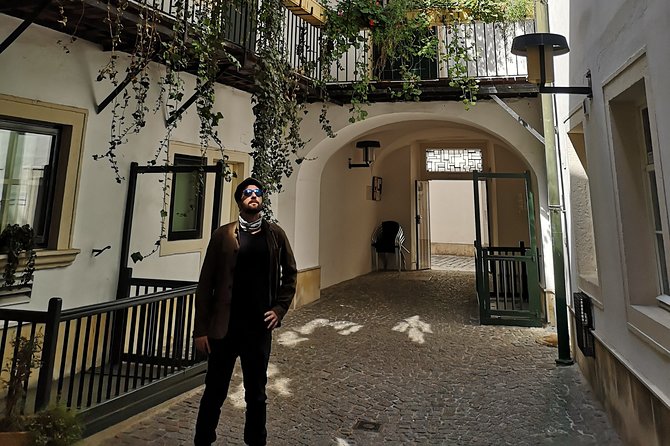
After the tight historic center, the tour heads to Stadtpark, tucked along the southern part of the Ringstrasse boulevard. This is a breath of green space, about 15 minutes, and it helps you shift perspective.
The park is dedicated to painters, musicians, and politicians of Vienna’s golden age. That theme is a neat counterpoint to the empire story earlier. You start thinking beyond ruling dynasties and into the people who gave Vienna its cultural force.
If you are traveling in a heat wave or after a long travel day, this “air break” makes the walking easier to enjoy. You are not just doing sights back to back.
Graben and Kohlmarkt: Luxury Shopping Streets With Smart Context
The Graben and Kohlmarkt area gives you a taste of high-end Vienna, lined with famous luxury brands and coffee houses. The tour time here is about 10 minutes, so it is not for deep shopping. It is for understanding the city’s rhythm: grand streets, elegant facades, and the role of cafés as social hubs.
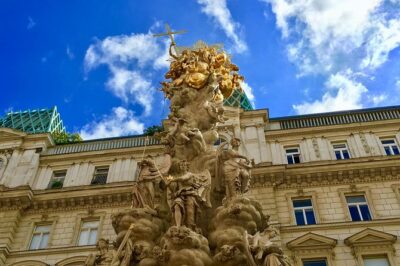
Graben also has a plague column commemorating survival after a devastating plague at the end of the 17th century. This is a good example of why a guided walk beats a quick stroll with a guidebook. You learn what those monuments mean, instead of just noticing the artwork.
If you want photos, stand at a spot where you can see the street perspective. If you want food, use the area as a cue. Vienna cafés often serve as a “second wind,” not just a meal replacement.
From the Old Center to Naschmarkt: Your Next Move After the Tour
The tour ends at Naschmarkt, about 1060 Wien. This open-air food market is a natural continuation, because you can keep eating your way through Vienna after the walking portion is done.
I like end points like this for two reasons. First, it gives you an immediate win after the last stop. Second, it helps you avoid the end-of-tour scramble, like asking where to go next or trying to figure out transit while tired.
If you still have energy, you can treat Naschmarkt as your loose itinerary. Wander, snack, and look at stalls at your own pace, using your new orientation to guide where you want to go later.
Who This Tour Fits Best
This is a strong match if you:
- want a private Vienna introduction without a noisy, large-group feel
- care about Habsburg history and want it tied to real buildings and squares
- want an English-speaking guide who keeps things clear and engaging
- like adding a food and coffee pause into your sightseeing plan
- need orientation fast, especially if it is your first day in the city
It may be less ideal if you:
- want a long, interior-heavy museum day
- expect a very detailed cathedral or church walkthrough taking hours
Price and Value: What $432.53 Per Group Gets You
The price is $432.53 per group, up to 10 people, for about 2 to 3 hours. That can sound high if you compare it to a basic walking tour, but private tours are usually priced around guide time and logistics for your group size.
Here, you get more value than just seeing highlights. You are paying for interpretation, pacing, and the practical “how to navigate” side of a first visit. The guide also supports you during the coffee break window and can help you orient yourself around the downtown core.
Best value scenario: if you have a small family or a group of friends who want to stay together, the per-group structure can feel reasonable compared with paying separate fees. It is also a nice option for travelers who want flexibility and fewer crowds.
Should You Book This Private Tour With Jan Kepinski?
If you want a smooth first pass through historical Vienna, I would book this. It is structured for people who want context (why the places matter) plus a human touch (questions welcome, pacing that does not feel frantic). The route threads together Habsburg power sites, major squares, standout churches, and a traditional coffeehouse stop, then sends you to Naschmarkt where your day can continue naturally.
Book it especially if:
- you are short on time and need the city to make sense quickly
- you prefer private guidance over a big group
- you want a guide who can keep history readable and fun
Skip it if your idea of a perfect tour is spending long hours inside monuments and museums, because the time is intentionally spread across key stops and outdoor viewpoints.
FAQ
How long is the private historical Vienna tour?
It runs about 2 to 3 hours.
What is the group size and price?
The tour costs $432.53 per group (up to 10 people).
Where do we meet and where does the tour end?
You start at Stephansplatz, 1010 Wien, Austria, and the tour ends at Naschmarkt, 1060 Wien, Austria.
Is pickup offered?
Yes, pickup is offered.
What language is the tour in?
The tour is offered in English.
What is included in the tour?
A qualified, state-licensed guide is included, and the tour uses a mobile ticket.
Is admission included for the stops?
The stops in the tour details are listed as Admission Ticket Free.
Just added to the bill for Vienna
Historical Tours, compared.

Vienna Historic Center Small Group Walking Tour
Read our review →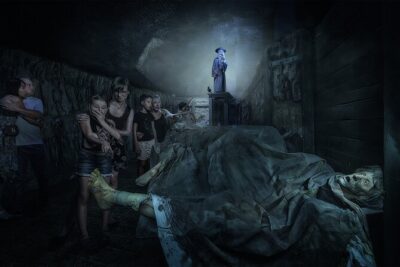
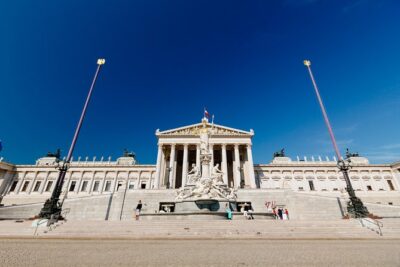
Skip-the-Line Schonbrunn Palace Guided Tour and Vienna Historical City Tour
Read our review →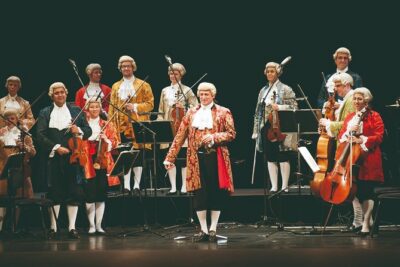
Vienna Mozart Concert in Historical Costumes at the Musikverein
Read our review →
Browse the lists this tour appears in