
REVIEW · MOZART & CLASSICAL CONCERT EVENINGS
Vienna Classical Concert – Strauss in Historic 1837 Hall
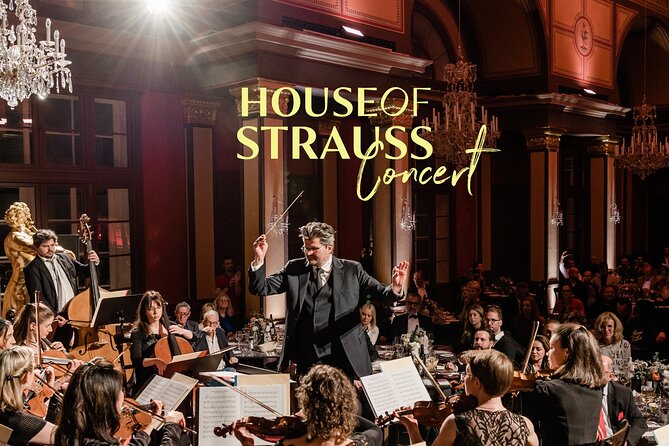
Tonight is for Strauss and strong voices.
I like the House of Strauss Orchestra sound in a proper historic hall, and I also love that your ticket includes time at the Strauss Museum before the music starts. One thing to watch: the evening timing can feel confusing if the printed start time on your voucher does not match the actual flow, so plan your arrival with a little buffer.
This is a simple, one-evening plan in Vienna with English service, a mobile ticket, and a performance window that runs about 1 to 2 hours. The schedule typically lines up with museum time from 18:00, hall access at 19:30, and the concert from 20:30 to 21:30, which makes it a good choice if you want culture without a complicated itinerary.
In This Review
- Key points
- Strauss Hall in 1837: why this evening format works
- House of Strauss Museum from 18:00: how to use the time well
- Strauss Hall entry at 19:30, concert at 20:30: timing reality check
- The performance: orchestra + solo opera singer in classic Viennese style
- Price and value at about $78.61: what you are really paying for
- Getting there in Vienna: public transport helps, but plan ahead
- Who should book: Strauss fans, first-time Vienna visitors, and music lovers
- Should you book this Strauss concert in the historic 1837 hall?
- FAQ
- What time does the museum open?
- What time does the concert start?
- Is the experience offered in English?
- Do I get a mobile ticket?
- Is free cancellation available?
- Are service animals allowed?
Key points
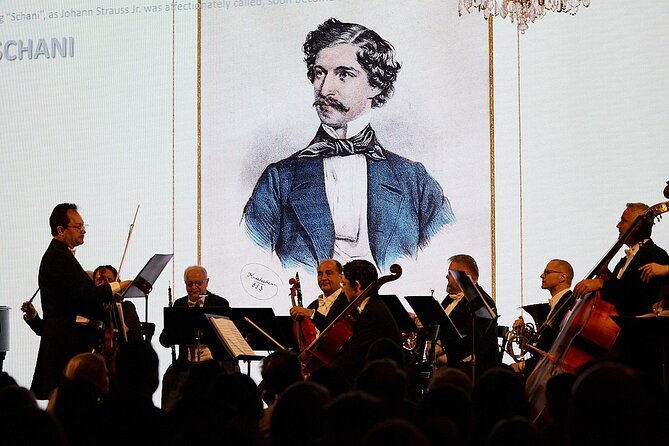
- Historic Strauss Hall (1837) gives the concert a sense of place, not just a stage and seats.
- Museum access is included, so you are not rushing straight into the music.
- English-language experience helps if you do not want to translate everything.
- A real orchestra performance with a solo opera singer is a highlight people really praise.
- Timing is the big practical risk, so follow the schedule carefully and arrive early enough for museum time.
Strauss Hall in 1837: why this evening format works
Vienna does classical music in many ways, but this format is the one I find most satisfying for a first visit. You get a built-in story arc: the museum sets the scene, then the hall performance brings the mood to life.
I also like that the concert is set up as a focused event inside the House of Strauss venue. That means you are not trying to coordinate multiple attractions right before the show. In practical terms, it is easier on your energy. You can treat the night like a performance evening, not a scavenger hunt.
The big value here is atmosphere. A historic hall changes how sound feels, and the Strauss name carries instant recognition even if you are not a music expert. If you love Viennese waltzes, operetta-style melodies, or just the classic “evening in Vienna” vibe, this is built for you.
One more plus: the experience is marked as suitable for most people, and it is close enough to public transport that you should not feel locked into a car or rideshare.
More evenings of Mozart and strings:
- Vienna: Vivaldi’s Four Seasons Concert in Karlskirche
★ 4.7 · 14,951 reviews - Vienna: Classical Concert in the World-Famous Musikverein
★ 4.6 · 6,673 reviews - Vienna: Mozart Concert at the Musikverein – Golden Hall
★ 4.6 · 5,194 reviews - Vienna: Classical Concert in St. Anne’s Church (Annakirche)
★ 4.6 · 3,414 reviews
House of Strauss Museum from 18:00: how to use the time well
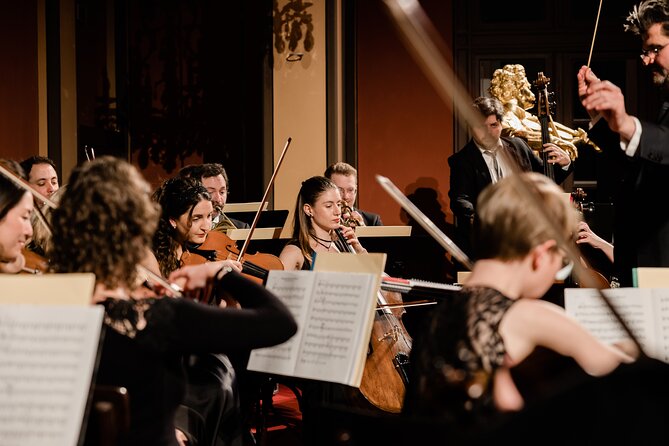
Your ticket includes access to the House of Strauss Museum. The museum portion starts at 18:00, which gives you a full block of time to settle in before you go into the hall.
I recommend treating the museum like a warm-up, not a race. From the information provided, this is meant to connect you to the Strauss dynasty story so the concert feels more meaningful when the orchestra begins. You do not need to memorize dates to get value from it. The goal is to understand the context so the music lands with more personality.
That said, this is a key point for your planning: some people have felt the museum time is a bit long compared with the size or pace they expected. If you tend to rush through exhibits, you might prefer to arrive closer to the start of hall access instead of getting there too early.
A practical strategy: arrive early enough to move at a normal pace, but do not show up so far ahead that you spend the final stretch waiting around. If you like to take photos and read every label, give yourself extra time. If you prefer to move quickly, keep your museum visit focused.
Strauss Hall entry at 19:30, concert at 20:30: timing reality check
The schedule you should anchor on is straightforward: entrance to Strauss Hall is at 19:30, and the concert runs 20:30 to 21:30. In many cases, that means you want to be ready to transition from museum time to hall time without stress.
Here is the practical snag that matters: some tickets or online information have shown start times that do not match the actual evening flow. Since the concert can start later than an earlier time printed on some materials, your safest move is to follow the posted hall and concert times, not the earliest “start” wording.
If you want a simple plan that reduces risk, aim to be done with your museum visit before hall entry time. That way, even if you need a bathroom break, a coat check, or a quick walk through, you are not sprinting.
Also note how this intersects with the stated meeting time. The experience indicates a start time of 8:00 pm for the meeting point, while the venue schedule includes earlier entry and museum access. That is why it is smart to confirm what time applies to you personally on your ticket, and what area you are expected to be at when.
The good news: once you are in the hall, the performance window is clear, and the night stays on track.
The performance: orchestra + solo opera singer in classic Viennese style
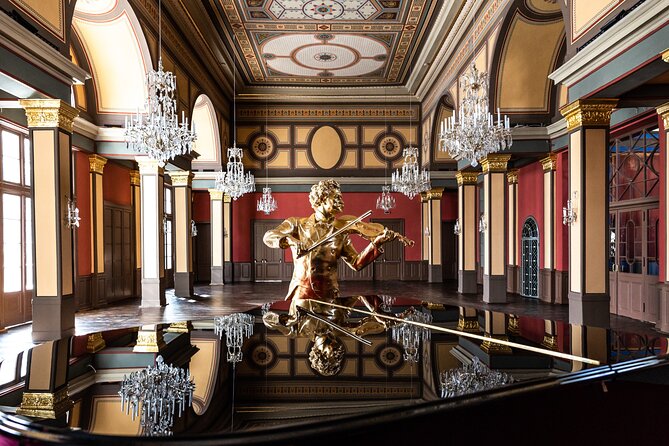
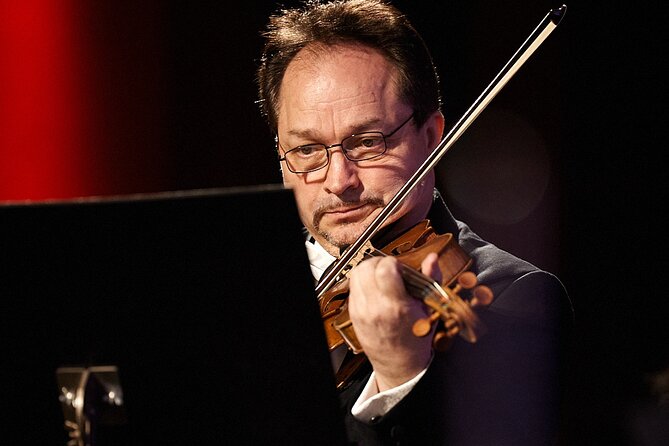
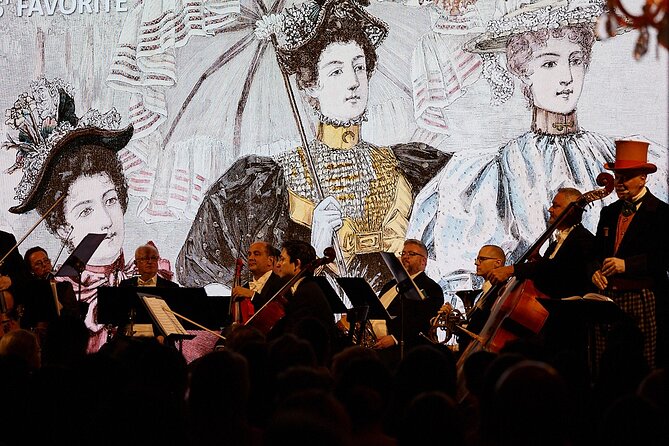
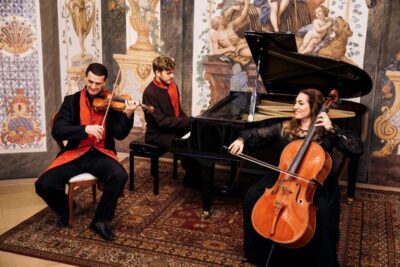
The heart of the experience is the concert with the House of Strauss Orchestra. The event is described as an authentic Strauss-family performance night, combining the music with a staged presentation.
What people consistently emphasize is the strength of the performance itself. The orchestra is described as wonderfully performed, and the vocal element is often singled out as a standout. A solo opera singer adds songs that help shift the mood from purely instrumental elegance into something more theatrical and emotionally direct.
If you are deciding whether to go even if you are not a die-hard classical fan, this vocal component can be the difference. It gives you a clear anchor. Even if the orchestra alone is a little formal for your taste, a strong singer can help you follow along with the story of the evening.
I also like that the overall evening is framed as a return to the romance and elegance associated with the Strauss era. You should expect more than a background recital. This is set up as a proper night out in Vienna, not a quick “show and go.”
For your listening, you can keep it simple:
- Let the orchestra set the pace and atmosphere.
- Listen for the moments when the solo singer brings the melody forward.
- Enjoy the feeling of a full production inside a historic setting.
More centuries of the Habsburg map:


Price and value at about $78.61: what you are really paying for
At $78.61 per person, the price is not “cheap,” but it can be fair value for what you get. You are paying for a real orchestra concert in a historic venue, plus museum access included in the same ticket.
If you only wanted a standalone concert in Vienna, you might pay a similar range depending on venue and seating. Here, the museum component is part of the package, so you are not just buying a one-hour event. You get time to understand the Strauss dynasty theme, which can make the music feel more connected.
Now the balanced part. If you find museums slow or unnecessary, you might feel the museum block drags. That is where the schedule matters. If you plan carefully and do not linger too long in exhibits you do not enjoy, the museum becomes a useful “primer,” not a distraction.
Also remember the evening timing can affect your value. If you arrive too late, you lose part of the intended flow. If you arrive too early, you might end up waiting. Either scenario can make the experience feel less worth it. Your job is to manage the time so you actually get both halves of the ticket.
Getting there in Vienna: public transport helps, but plan ahead
The experience is listed as near public transportation, which is a big win in Vienna. You should be able to reach the area without a complicated route.
That said, location can still be tricky if you are coming from an inner-city hotel and you assume it will be an easy walk. Some people have reported paying for taxis to avoid stress and time loss. You do not need a taxi if you are comfortable using transit, but it is good to know that a cab can be tempting when the schedule is tight and you want to protect your hall entry time.
Practical advice:
- Give yourself time to find the exact meeting point.
- Do not plan to wing it at 19:00, when you still need museum time.
- If you are using public transport, aim to arrive with enough buffer to absorb delays.
Once you are inside the venue, the night should feel contained and calm. The stress is mostly getting there and matching the schedule.
Who should book: Strauss fans, first-time Vienna visitors, and music lovers
This is best for people who want a classic Vienna evening with structure. I think it is especially good if you:
- Like the Strauss sound, waltz tradition, and operetta-style melodies.
- Want a night that feels more “event” than “background music.”
- Appreciate a short museum stop that adds context.
- Prefer an English-friendly experience.
It is also a solid choice for couples. The format is built for an evening out, and the historic hall setting adds romance without you having to plan extra sightseeing afterward.
If you hate uncertainty about timings, read the ticket carefully and lock in your plan using the posted museum start and the hall and concert times. When timing is clear, this works well. When it is not, that is where frustration starts.
Should you book this Strauss concert in the historic 1837 hall?
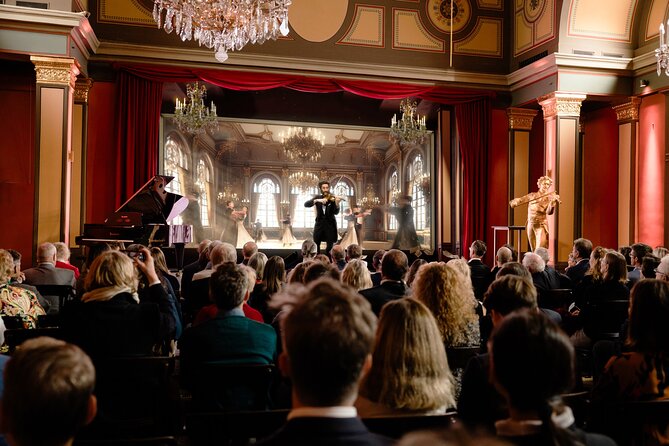
I would book it if you want a well-themed Vienna night: museum context, a real orchestra performance, and a vocal highlight. The strong overall rating signals that the core experience, the music, lands for most people.
I would hesitate only if your biggest priority is strict schedule certainty or you strongly dislike museum time. In that case, the evening can feel like more waiting than you expected.
If you decide to go, do yourself a favor: plan around the museum starting at 18:00, hall entry at 19:30, and the concert running 20:30 to 21:30. That simple approach turns the biggest potential drawback into a non-issue.
FAQ
What time does the museum open?
The museum portion starts at 18:00.
What time does the concert start?
The concert is scheduled from 20:30 to 21:30.
Is the experience offered in English?
Yes, it is offered in English.
Do I get a mobile ticket?
Yes, the experience includes a mobile ticket.
Is free cancellation available?
Yes, free cancellation is available up to 24 hours in advance for a full refund.
Are service animals allowed?
Yes, service animals are allowed.
Just added to the bill for Vienna


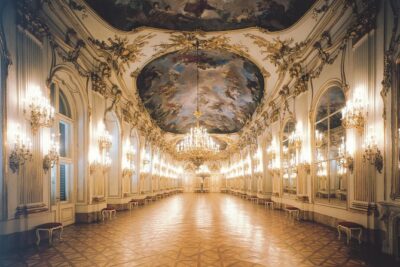
Mozart & Classical Concert Evenings, compared.
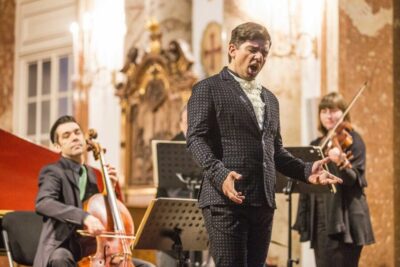
Vivaldi’s Four Seasons Concert in Karlskirche
Read our review →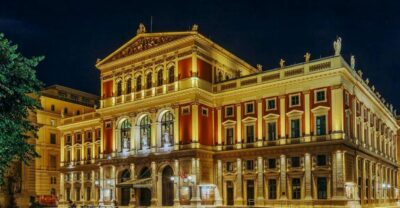
Classical Concert in the World-Famous Musikverein
Read our review →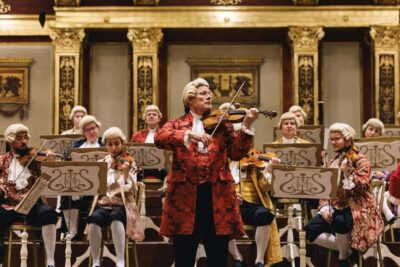
Mozart Concert at the Musikverein – Golden Hall
Read our review →
Classical Concert in St. Anne’s Church (Annakirche)
Read our review →
Browse the lists this tour appears in