REVIEW · TICKETS
Vienna: Imperial Crypt Entrance Ticket
A one way ticket to imperial secrets. The Imperial Crypt sits right under the Capuchin Church area in central Vienna, and it turns the big story of the Habsburg Empire into something you can walk through at your own pace. I love the sheer craft on display in the ornate sarcophagi, and I also like how the site keeps things calm and respectful, not like a spooky attraction.
The main thing to consider is context. You can read booklets and see labels, but if you want deeper backstories in your preferred language, plan for that ahead (an audio guide or an onsite guided option can make a noticeable difference).
In This Review
- Key things to know before you go
- Imperial Crypt, Capuchin Church, and 400 Years of Habsburg Power
- Entering the Vault System: Ten Vaults and the Layout You’ll Feel
- The Habsburgs You’ll Encounter: 150 Names, More Than Just Two Emperors
- Sisi and Franz Joseph: The Tombs People Most Want to See
- How the Design Communicates Power Without Saying a Word
- Your Timing Plan: How Long to Budget Without Feeling Rushed
- Booklet Reading vs Guided Context: Getting the Meaning You Want
- What You Get for $17: Ticket Value and What May Cost Extra
- Combo Plan: Add A Little Night Music After the Crypt
- Rules and Practical Tips That Matter Once You Arrive
- Who Should Book This Imperial Crypt Entrance Ticket?
- Should You Book the Imperial Crypt Entrance Ticket?
- FAQ
- How long is the Imperial Crypt entrance ticket experience?
- Is a guided tour included with the ticket?
- What will I see inside the Imperial Crypt?
- Who are the main Habsburg figures buried here?
- Is the Imperial Crypt wheelchair accessible?
- Are pets or luggage allowed?
- Can I wear sleeveless clothing?
- Can I record video or take photos?
- Is there a combo option with a concert?
Key things to know before you go
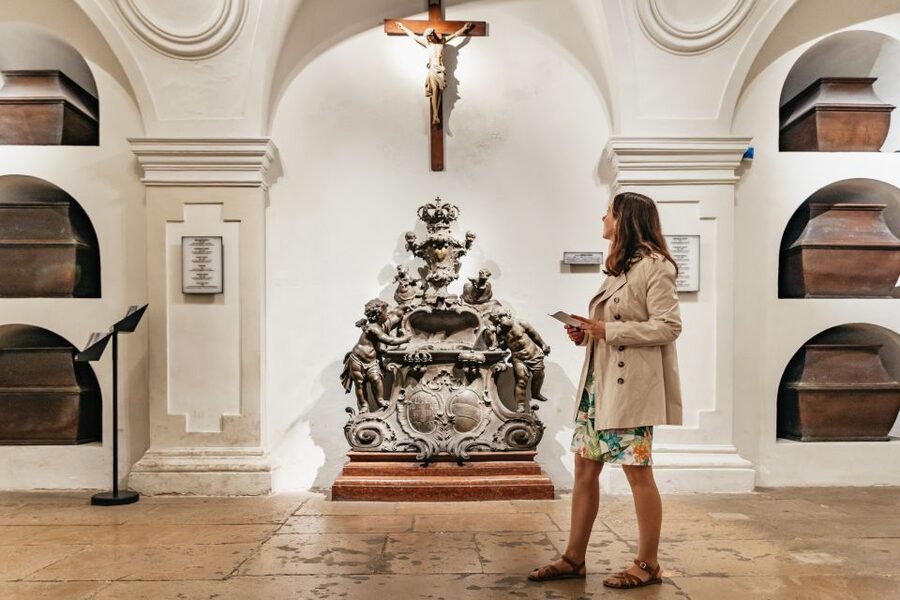
- Ten interconnected vaults: the system was expanded over centuries, so the space feels layered.
- 150 Habsburg personalities: you’re not looking at one tomb, you’re touring a dynasty.
- Focus on Franz Joseph and Elisabeth (Sisi): their burial places anchor the experience.
- Capuchin custody: the vaults are still under the Capuchin Order’s oversight.
- A respectful atmosphere: visitors tend to read, not rush, and the space stays solemn.
- Combo option with a concert: you can pair the crypt visit with A Little Night Music after.
Imperial Crypt, Capuchin Church, and 400 Years of Habsburg Power
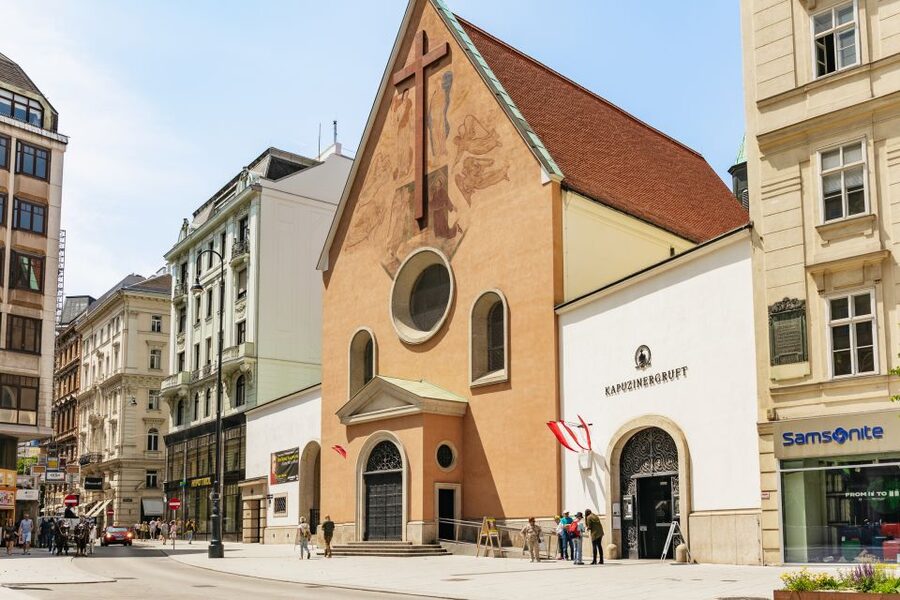
Vienna loves big palaces, grand rooms, and royal views. The Imperial Crypt is different. It is history you descend into, where power is shown not with armor or banquets, but with craftsmanship, planning, and funerary art.
You’ll find the burial complex beneath the church and monastery of the Capuchin Friars in the city center. That location matters because it sets a tone: it is not hidden away in a museum-like setting. It is tied to a religious community, and the vault system still remains under their custody.
I like that the experience is built around a clear idea: the Habsburg dynasty shaped European politics for centuries, and the crypt preserves that legacy in a very physical way. As you move through the space, the story shifts from emperor to family member to era, so you start seeing the dynasty as an ongoing project, not just a list of rulers.
The visit is also a great reminder that Europe’s history isn’t only about battles. It’s about marriages, heirs, dynastic continuity, and symbolism. The crypt is where those themes are pressed into metalwork, stone, and room layouts.
Held over another night in Vienna
- Vienna: Vivaldi’s Four Seasons Concert in Karlskirche
★ 4.7 · 14,951 reviews - Vienna: Spanish Riding School Training
★ 3.9 · 9,281 reviews - Vienna: Schönbrunn Palace & Gardens Skip-the-Line Tour
★ 4.7 · 7,739 reviews - Vienna: Light of Creation Votive Church Immersive Light Show
★ 4.8 · 6,779 reviews
Entering the Vault System: Ten Vaults and the Layout You’ll Feel
Your ticket gets you inside the Imperial Crypt itself. The space is a vault system that was altered and extended repeatedly over a span of more than four centuries. That long timeline is one of the reasons it doesn’t feel like a single, finished stage prop.
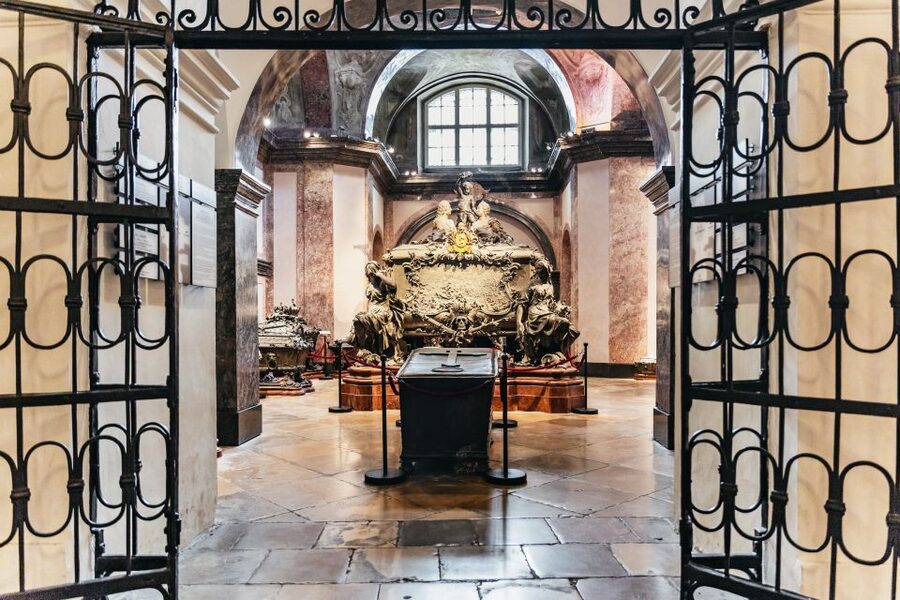
Today the system consists of ten vaults. You’ll see how those vaults connect and how sarcophagi, urns, and funerary monuments are arranged within them. Even if you’re not a history nerd, the physical organization helps you understand that this was designed for generations, not for one event.
One practical benefit of the layout: you can move slowly. This is not a fast walk-through where someone herds you from room to room. Many people choose to pause and read the information near the monuments, then keep going when they feel ready.
Also, don’t ignore the room design. The crypt includes rooms that evoke the dynasty’s imperial power and grandeur, and the description of the designers and creators is part of what you’re paying for. It helps you see the crypt as a planned artistic project, not only a storage room for remains.
The Habsburgs You’ll Encounter: 150 Names, More Than Just Two Emperors
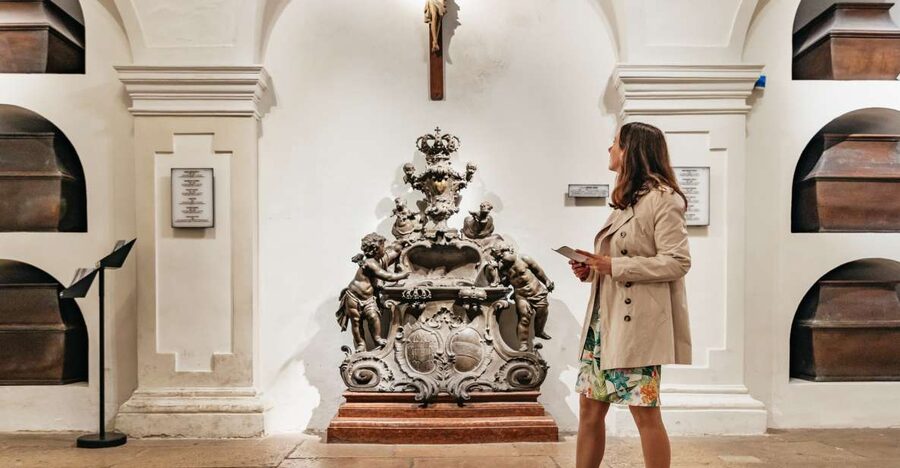
The headline might be the most famous Habsburg rulers, but what sticks with me is the scale. The crypt is the final resting place of 150 Habsburg personalities, including major figures like Maria Theresia, Franz Joseph, Elisabeth, also known as Sisi, and their son Rudolf.
That range changes how you experience the place. You’re not only looking for a couple of trophies. You’re walking through family history, which is messier and more human than the official family tree in a textbook.
You’ll also get a sense of how funerary practices evolved. The system includes sarcophagi, urns, and funerary monuments, so it is not all the same type of object. Different pieces reflect different kinds of memorialization, and that variety keeps the walk from turning repetitive.
If you like noticing patterns, look for how the crypt’s rooms and monuments create a sense of movement through time. Even without deep background, the sheer number of names helps you grasp that this is a dynasty’s long-term legacy in physical form.
Sisi and Franz Joseph: The Tombs People Most Want to See
If you have just one goal, it’s usually the big couple. Emperor Franz Joseph and Empress Elisabeth, Sisi, are both buried here, and their burial places act like anchor points as you walk.
I like the way this works because you can build your own route. If your interests are on 19th century Austria, spend more time near their monuments and then branch out to the people around them. If your interests are broader, treat their tombs as a starting line for the rest of the dynasty.
Sisi is also one of those historical figures who tends to pull people in, even if you didn’t study her before arriving. Seeing her memorial here adds a level of seriousness that movies and posters often flatten.
For Franz Joseph, the effect is slightly different. The crypt gives him a face in a family context, not only as a ruler. That family framing is a big part of why this visit is satisfying.
After the interval, more from Vienna:


How the Design Communicates Power Without Saying a Word
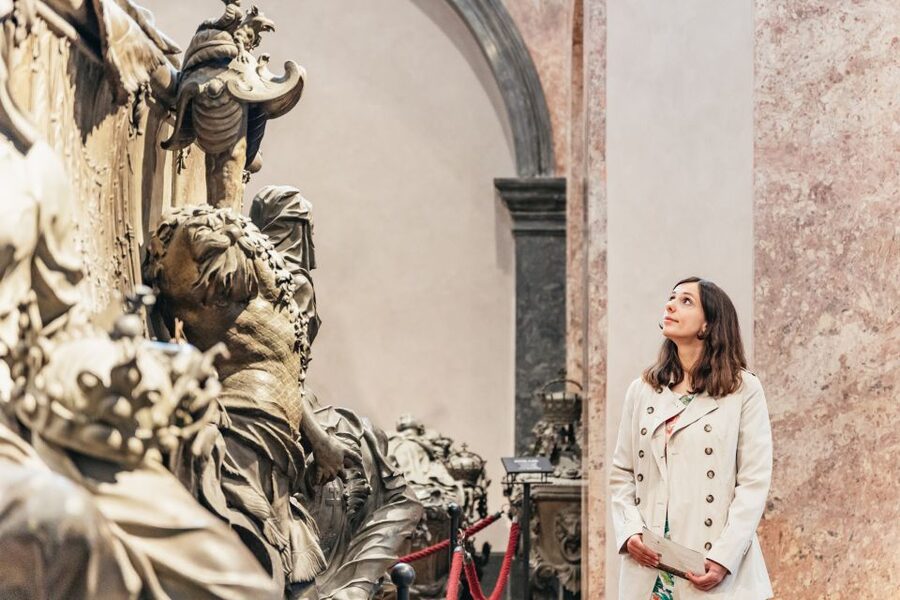
Royal tombs might sound like pure drama. Here, the drama is craft, not noise. The rooms and vaults are designed to evoke the dynasty’s imperial power and grandeur, and the result is a mix of solemn and impressive.
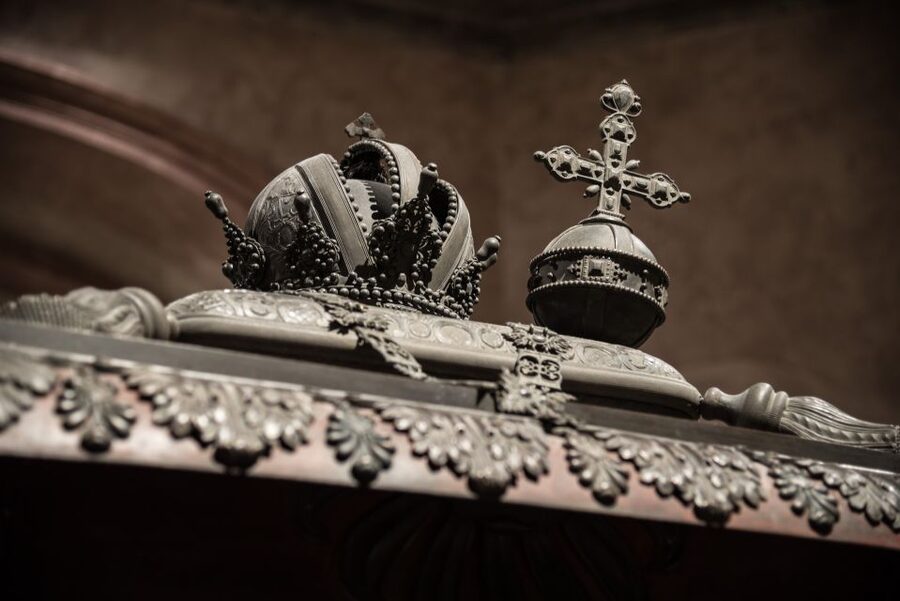
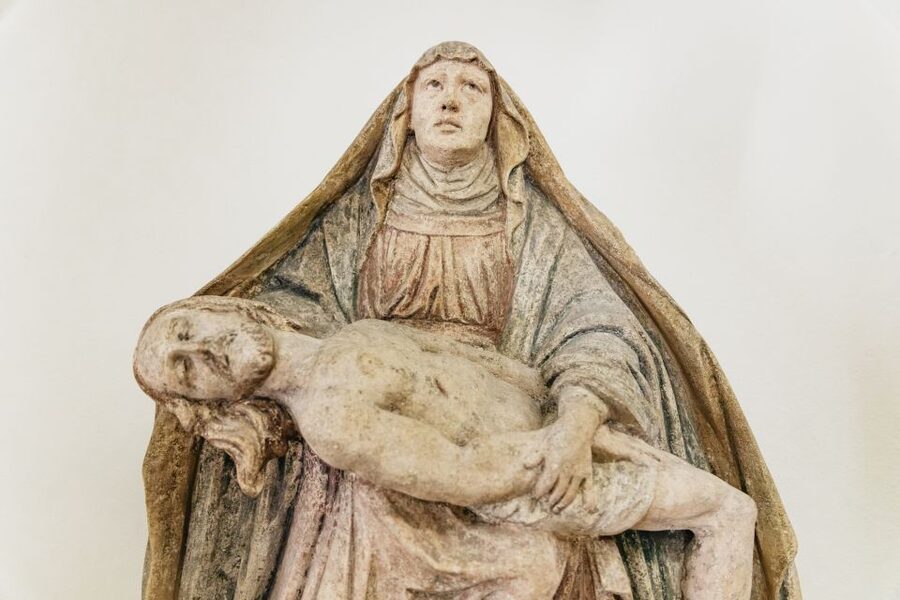
The craftsmanship gets specific. One reason the crypt earns so many high marks is that the sarcophagi and memorials are intensely detailed. In many cases, the metalwork is described as tin, copper, bronze with finishes in silver and gold tones. Even if you do not know what you are looking at, you can feel the skill.
So what does that mean for you as a visitor? It means the crypt rewards slow attention. If you skim, you’ll miss why it’s so impressive. If you read a bit and look closely, the space becomes an education in how empires brand themselves, even in death.
You’ll also notice that the crypt includes information about designers and creators. That matters because it reminds you this was not random. People made choices about materials, layout, and the message conveyed by each room.
There’s also a quiet contrast worth holding onto. The entrance and the church setting can feel humble compared to the grandeur below. That contrast makes the imperial storytelling more interesting, because it forces you to think about where power shows up, and where it hides.
Your Timing Plan: How Long to Budget Without Feeling Rushed
You have a one day ticket, and the activity has starting times. In practice, the best advice is to treat this as a flexible visit, not a sprint. You can stop to read the information and then continue when your brain catches up.
Based on typical pacing, I’d plan on around 60 to 90 minutes if you want a comfortable mix of reading and looking. If you’re short on time, it’s possible to go through faster, but you will feel it in what you miss. If you’re a detail person, you can easily spend longer admiring ornate coffin designs and reading the information near the monuments.
One thing to know before you arrive: the space can feel busy. Not chaos, but enough foot traffic that you may need to move with purpose if you want quiet moments. If you’re sensitive to crowds, go at a calmer starting time and give yourself a little buffer.
Also, plan around the site closing time. On at least some visits, people found the booked time could be flexible, but the site still shuts at a set hour. Your best move is to aim to enter with plenty of time left to settle in.
Booklet Reading vs Guided Context: Getting the Meaning You Want
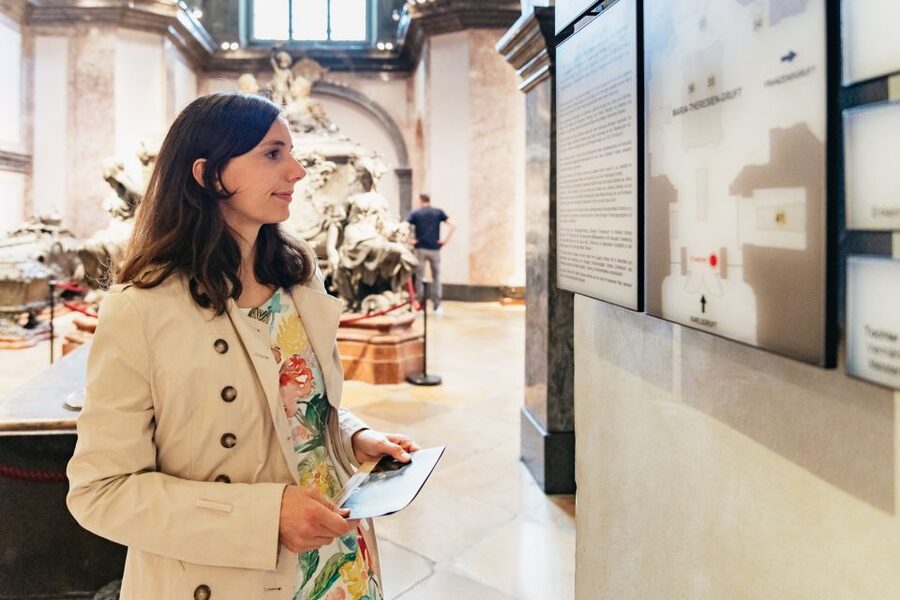
A lot of the value here comes from context you can access on site. Many visitors find that the crypt provides small booklets with details about the contents of the tombs. There are also labels that help you identify people and connect them to their place in history.
Still, the depth depends on how you prefer to learn. If you want a guided explanation in English, you may need an extra option. An onsite guided tour is mentioned as an add-on in some cases, booked directly with the ticket office for a small extra fee when available.
Language can also be a deciding factor. One drawback that shows up clearly is that not every piece of information is as easy to read in English as you might hope. If German is not your first language, I’d strongly consider adding a guided component or at least arriving with a bit of background on the Habsburgs.
Here’s a practical way to handle it without overthinking. Pick the three or four people you care about most, read the basic labels for everyone else, and then spend your deeper time on the big names. That strategy keeps the visit satisfying even if you don’t get a long lecture.
What You Get for $17: Ticket Value and What May Cost Extra
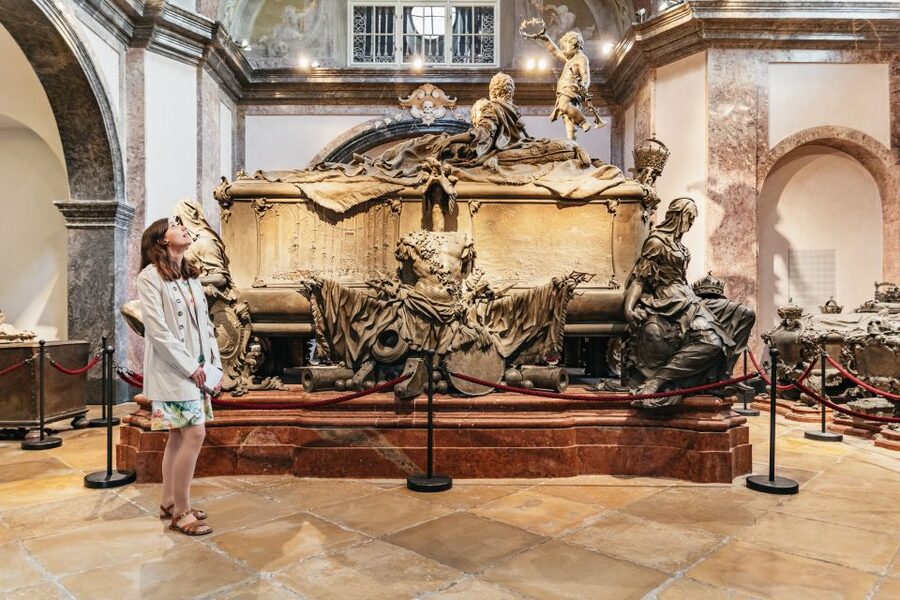
At $17 per person, this ticket is priced in a way that usually works for people who enjoy history and design. You get the entrance into the Imperial Crypt itself, and that’s the main cost driver. The rest is about how you choose to learn, not about upgrading access.
It’s also a good value compared to “look only” attractions because the crypt is not just decorative. You’re seeing the actual burial place of a dynasty, including major figures like Maria Theresia, Franz Joseph, and Sisi. That makes it feel meaningful even for visitors who aren’t deeply into royal history.
The big “maybe” is how much added interpretation you want. If you go in and read the booklets and labels, you can have a complete experience. If you crave more storytelling, you might want a guided tour option, which can add cost.
There are also practical onsite perks that can improve your visit. One review notes free toilets and lockers that require small coin deposits, which you get back. That’s the kind of small comfort that matters when you’re spending an hour or more reading in a solemn setting.
Combo Plan: Add A Little Night Music After the Crypt
This is where your day in Vienna can get nicely balanced. The experience offers a Combo Ticket that lets you visit the Imperial Crypt and then attend A Little Night Music after.
That pairing works because it changes your mood. The crypt is about quiet reflection and imperial memory. A concert is about live culture and the energy of the city in motion.
If you like building a day around themes, this one does it for you. One ticket connects the Habsburg story to the artistic Vienna that grew out of the same cultural environment. Even if you know little music history, the timing can help you feel Vienna as more than monuments on a map.
Just keep your scheduling tight. Since the crypt has set opening and closing hours, you’ll want enough buffer to enjoy the concert without rushing back out.
Rules and Practical Tips That Matter Once You Arrive
The crypt sets clear boundaries for respect and safety. Pets are not allowed. Large bags and luggage are not allowed, and sleeveless shirts are not allowed.
Also note the recording rules. Video recording is not permitted. And while the crypt’s main rule you can bank on is about video, the site is built on respect for the dead, so treat the space as a place where you should keep your phone behavior low-key.
On the physical side, it is wheelchair accessible. That matters because the crypt is indoors and the memorials are arranged in a way that you can enjoy without needing stairs.
Finally, if you’re a “read everything” person, bring patience. Some people move quickly and then feel disappointed they didn’t absorb the details. Others take a slow route and feel the value instantly. For the best experience, treat it like a reading and looking stop, not a checklist stop.
Who Should Book This Imperial Crypt Entrance Ticket?
This is best for you if you enjoy history that you can see up close. If you like architecture, design, and the way empires communicate through objects, you’ll probably love the craft and layout.
It’s also a strong choice if you’re visiting Vienna for cultural depth beyond palaces. The crypt gives you a different angle on the Habsburgs, including personal family connections and a strong sense of continuity across generations.
You might want to skip or add a guide if you need lots of English interpretation to fully enjoy history. The on-site information can be enough for many people, but not everyone finds the depth easy to access in English.
And if you only want a very short stop, keep expectations realistic. The crypt can be quick, but its best moments come when you slow down enough to read and look.
Should You Book the Imperial Crypt Entrance Ticket?
Yes, I’d book it if your goal is a meaningful, artful history stop in Vienna’s center. At $17, you’re paying for access to a rare place: the burial complex of the Habsburg dynasty, with ornate sarcophagi and a vault system shaped by centuries of change.
The decision hinges on learning style. If you’re happy reading booklets and labels, you’ll likely feel the value right away. If you want guided context, plan for an added interpretation option, especially if English depth is important to you.
If you can also grab the combo with A Little Night Music, you’ll turn a single day into something more than a museum circuit. It’s one of those Vienna combos that keeps the city story moving, from imperial memory to living culture.
FAQ
How long is the Imperial Crypt entrance ticket experience?
The ticket is valid for 1 day. People often spend anywhere from about 30 minutes to longer stretches depending on how much you read and look.
Is a guided tour included with the ticket?
The ticket includes entrance only. Some visits also offer a guided tour option separately.
What will I see inside the Imperial Crypt?
You’ll visit the burial place of the Habsburg rulers and family members, including the vault system and the sarcophagi, urns, and funerary monuments connected with the dynasty.
Who are the main Habsburg figures buried here?
The crypt includes burial places of Emperor Franz Joseph and his wife Empress Elisabeth (Sisi), along with other Habsburg personalities such as Maria Theresia and their son Rudolf.
Is the Imperial Crypt wheelchair accessible?
Yes, it is wheelchair accessible.
Are pets or luggage allowed?
Pets are not allowed. Luggage or large bags are not allowed.
Can I wear sleeveless clothing?
No, sleeveless shirts are not allowed.
Can I record video or take photos?
Video recording is not allowed. The site rules emphasize respectful behavior in the crypt.
Is there a combo option with a concert?
Yes, you can combine the crypt visit with A Little Night Music after the crypt using a combo ticket.
Just added to the bill for Vienna


Tickets, compared.
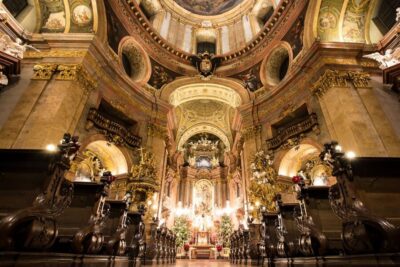
Classic Ensemble Vienna in St. Peter’s Church Ticket
Read our review →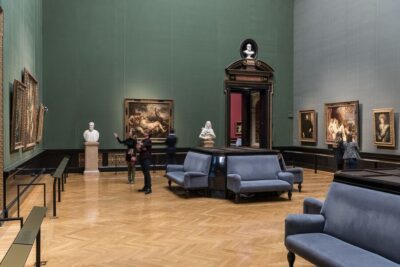
Vienna Kunsthistorisches Museum Day Admission Ticket
Read our review →
Vienna PASS: All incl. Sightseeing Pass for 85+ Attractions
Read our review →
Tickets for Mozarthaus Vienna with Audio Guide
Read our review →
Skip-the-Line Entrance Ticket to the Danube Tower
Read our review →