REVIEW · TICKETS
Vienna: Tickets to Haus der Musik
Vienna’s best music lesson is hands-on. Haus der Musik turns a classic concert city into a practical music-and-sound playground, with interactive exhibits spread across four floors. I like that it mixes Vienna composer history with hands-on challenges, so even non-music fans can jump in without studying a thing first.
Two things I really like: the chance to test your timing in a conductor-style virtual experience facing the Vienna Philharmonic Orchestra, and the Namadeus game that lets you hear your name as an original Mozart composition. Both are playful, but they also teach you how music actually works.
One consideration: you need to bring headphones, and food and drinks are not included. If you plan to linger, it helps to think about when you’ll eat, so the museum day stays fun and not just hungry.
In This Review
- Key highlights worth planning for
- Why Haus der Musik feels different from a typical museum
- The Palais setting and Vienna Philharmonic roots
- Composer timeline in modern surroundings, Haydn to Schönberg
- The virtual conducting challenge that actually teaches timing
- Sound science rooms: interactive instruments and hearing basics
- Namadeus game: hear your name as Mozart
- Compose a waltz with a dice throw
- HD New Year’s Concert and changing courtyard exhibits
- What I’d do on a practical one-day visit
- Price and value at $22 per person
- Practicalities: headphones, coat check, and where to meet
- Who should book, and who might want a different plan
- Should you book tickets to Haus der Musik?
- FAQ
- How much do tickets cost for Haus der Musik?
- How long is the ticket valid?
- Where is the meeting point?
- Is admission included?
- Do I need to bring anything?
- Are food and drinks included?
- Is there a coat check?
- Are there apps and maps included?
- Is it wheelchair accessible?
- Is Namadeus the game certificate included?
Key highlights worth planning for
- Conduct the orchestra, virtually with an interactive challenge that feels more real than it should
- Hear your name as Mozart through the Namadeus game experience
- Compose a waltz with a dice throw and leave with something musical you made
- Four floors, four angles on music (history, composers, sound science, and modern installations)
- HD access to the New Year’s Concert tied to the Vienna Philharmonic story
Why Haus der Musik feels different from a typical museum
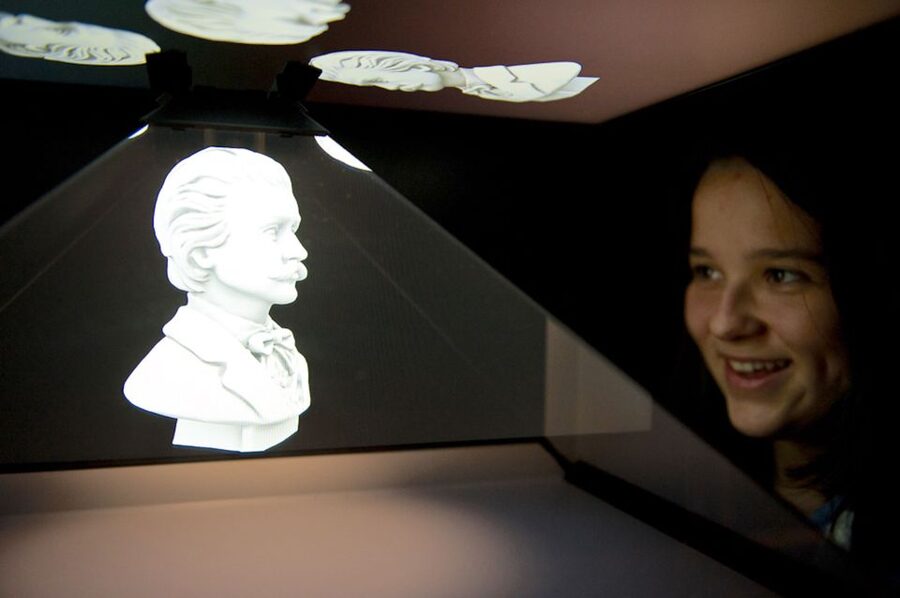
Haus der Musik is in the heart of Vienna, inside the former Palais of Archduke Charles. The building context matters here because the museum’s music story is tied to real Vienna institutions, including the Vienna Philharmonic Orchestra founder Otto Nicolai, who set up the orchestra in 1842.
This is not a museum where you just read labels and move on. It’s set up like a music workshop with museum-level history plus interactive activities you can trigger, test, and repeat. That combo is why it works for families, for couples, and for anyone who likes the “how” behind sound.
Held over another night in Vienna
- Vienna: Vivaldi’s Four Seasons Concert in Karlskirche
★ 4.7 · 14,951 reviews - Vienna: Spanish Riding School Training
★ 3.9 · 9,281 reviews - Vienna: Schönbrunn Palace & Gardens Skip-the-Line Tour
★ 4.7 · 7,739 reviews - Vienna: Light of Creation Votive Church Immersive Light Show
★ 4.8 · 6,779 reviews
The Palais setting and Vienna Philharmonic roots
Before the modern galleries start, you get a historical foothold in the building’s earlier life. Haus der Musik is located in a former palace space where Otto Nicolai lived when he founded the Vienna Philharmonic Orchestra in 1842.
That background gives you context as you explore. You’re not just learning random composer facts, you’re learning how Vienna’s music culture got built, then preserved, then turned into an experience for you today.
You’ll also see precious documents and mementos tied to the Vienna Philharmonic’s history in the museum’s related areas. It’s a steady anchor point when the interactive rooms start getting loud, literal, and fun.
Composer timeline in modern surroundings, Haydn to Schönberg
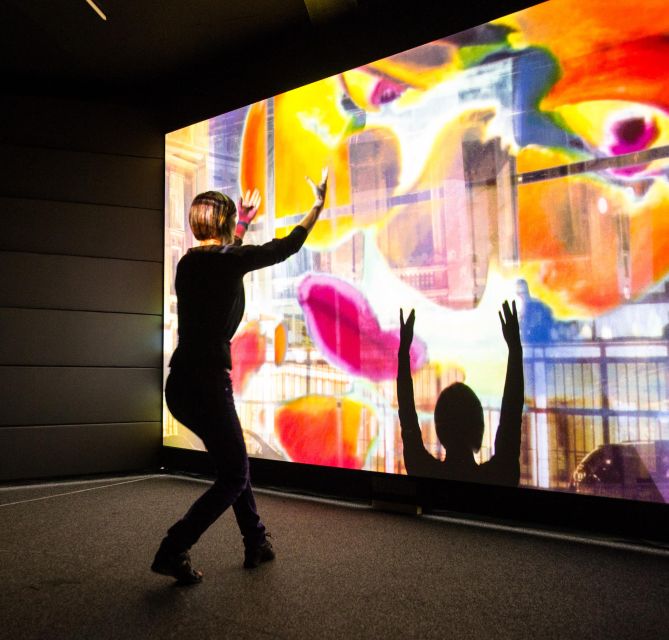
A lot of music museums teach you by era, but Haus der Musik mixes era learning with modern display methods. You’ll meet the great figures of the Wiener Klassik and beyond: Haydn, Mozart, Beethoven, Schubert, Strauss, Mahler, and Schönberg.
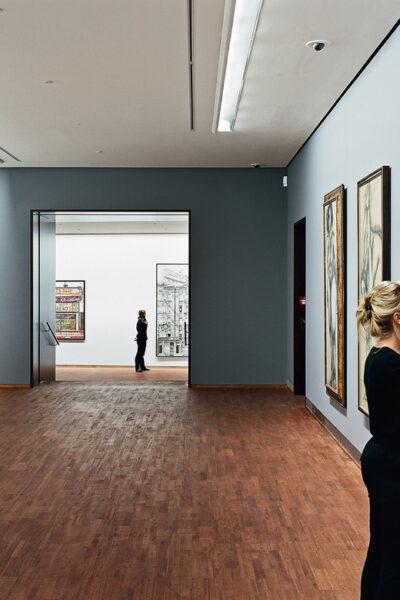
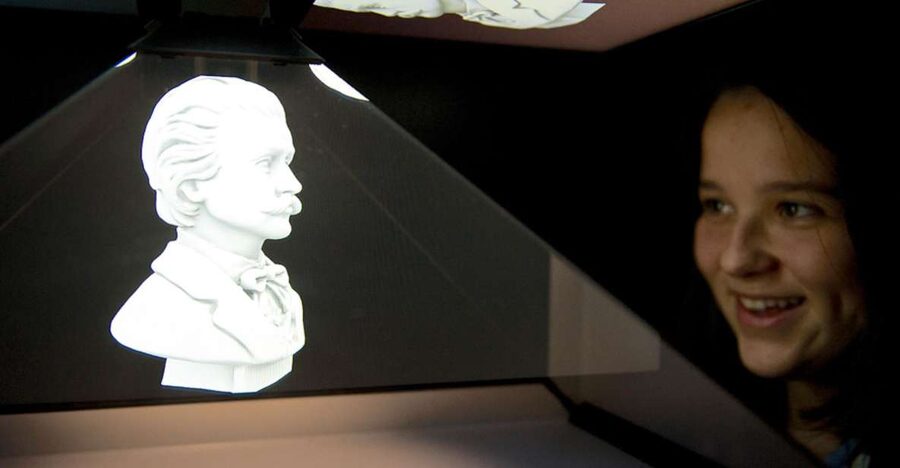
What makes this useful is the way the museum connects composer names to real things you can see. Expect historic documents, models, costumes, and personal items, plus modern installations that place the composers in a contemporary frame.
If you like classical music but your knowledge feels spotty, this is a smart way to patch gaps quickly. You’ll see each composer’s role in Vienna’s musical development without needing a lecture format.
The virtual conducting challenge that actually teaches timing
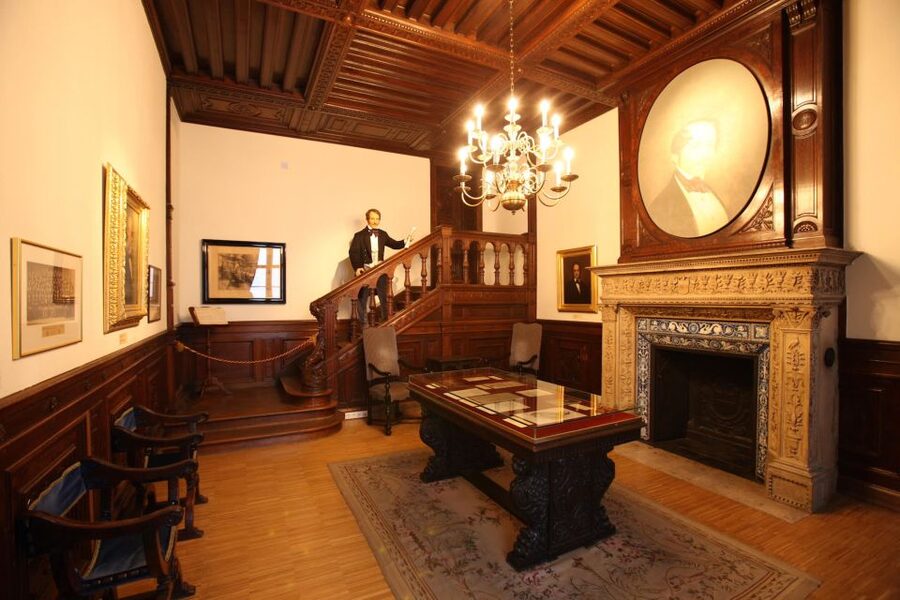
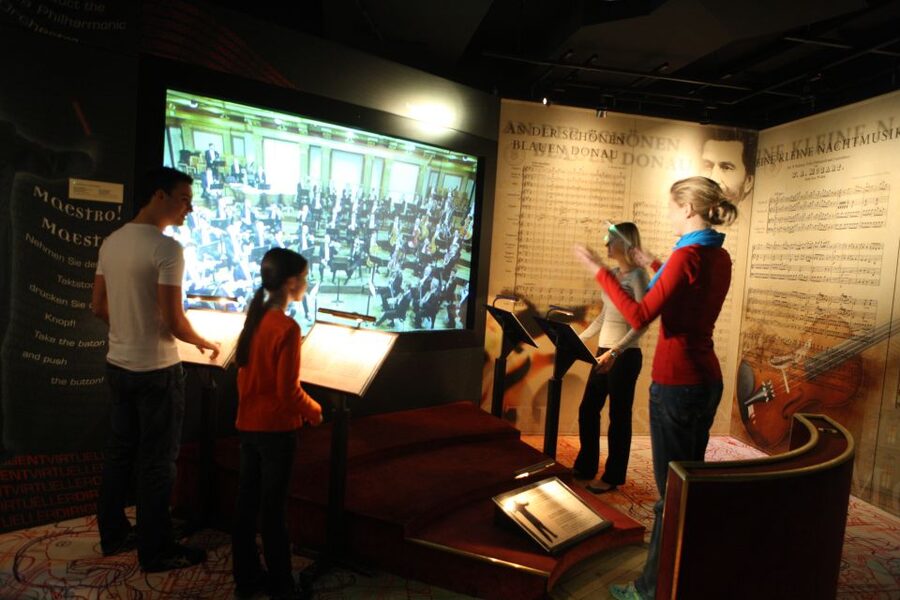
One of the most popular activities is the interactive conductor experience that puts you in front of the world famous Vienna Philharmonic Orchestra. It’s the kind of challenge that sounds gimmicky until you try it.
The value here is that conducting is not just waving your hands. Even in a simplified interactive setup, you start to feel rhythm, cues, and coordination. That makes the composer history sections stick better, because you connect the idea of music-making to a physical experience.
If you’re traveling with kids, this is often the moment where the whole group gets focused. If you’re traveling solo, it’s a good break from reading and a way to reset your attention between floors.
After the interval, more from Vienna:


Sound science rooms: interactive instruments and hearing basics
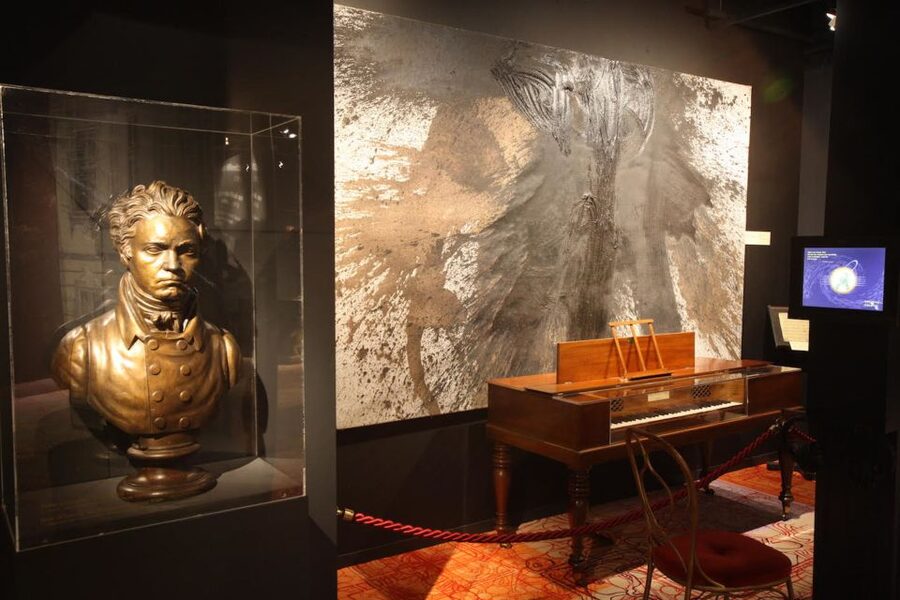
Haus der Musik goes beyond biographies by turning the spotlight on sound itself. You can experiment with sound, noises, and instruments through interactive displays.
This part is great if you like science or if you’ve ever wondered why instruments sound different even when they play the same note. The museum’s approach helps you notice patterns: pitch, tone, resonance, and how your own body is part of the listening process.
I also like that this section gives non-music lovers a route in. You can treat it like an experiment station, not a classroom. Push buttons, try instruments, and let your ears do the work.
Namadeus game: hear your name as Mozart
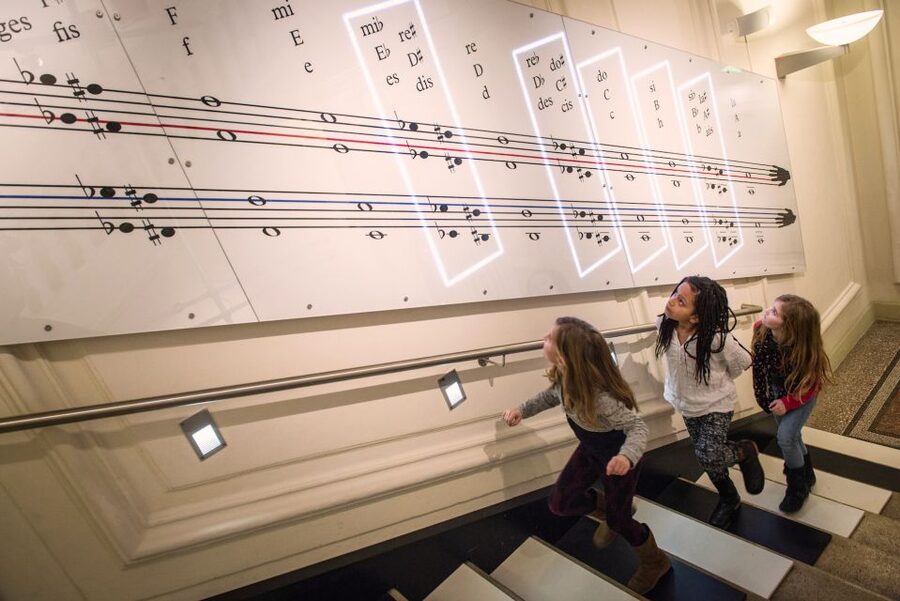
The Namadeus game is one of those activities that is equal parts clever and memorable. It lets you hear your name as an original Mozart composition, so the museum turns you into a musical participant.
Two practical notes help you plan. First, this experience is interactive, so the headphones requirement matters even more here. Second, the Namadeus certificate is not included, so if you want proof or an official keepsake, you may need to handle that separately.
Even without any certificate, it’s a great “I will remember this later” moment. It’s also a fun way to compare names and sound patterns with family or friends.
Compose a waltz with a dice throw
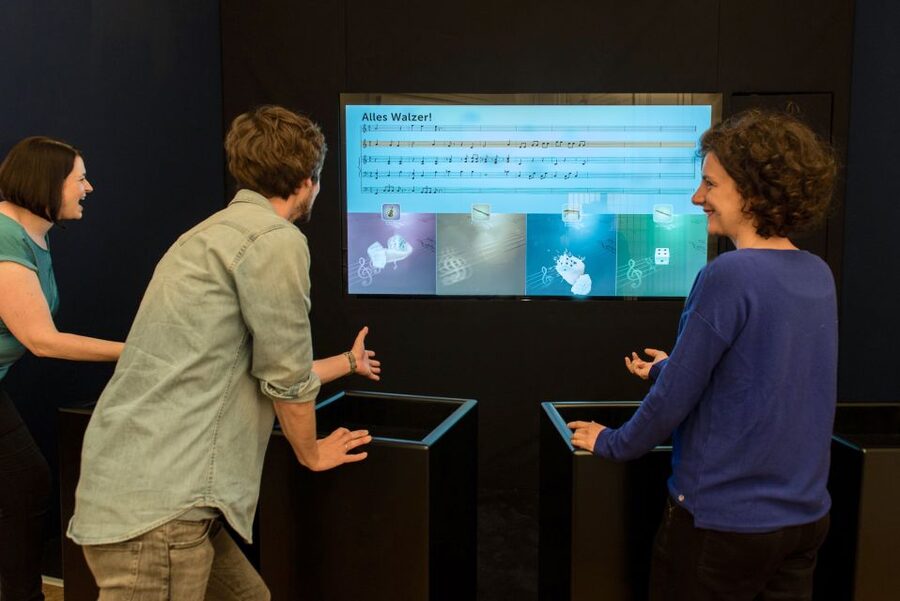
You can also make music in a hands-on way by composing your own waltz using a throw of the dice. It’s playful, but it quietly teaches structure.
Waltz rhythms are about how the beat groups, and composer-style melodies are about patterns. The museum’s dice-based method makes that approachable. You get a result quickly, then you can go back and notice why your waltz feels like it belongs to the Vienna tradition.
If you like interactive activities, this one is a solid payoff because you end up with a real creation, not just a single trial you forget. You’ll also feel more confident moving through composer rooms because you’ve experienced how composition can be turned into rules.
HD New Year’s Concert and changing courtyard exhibits
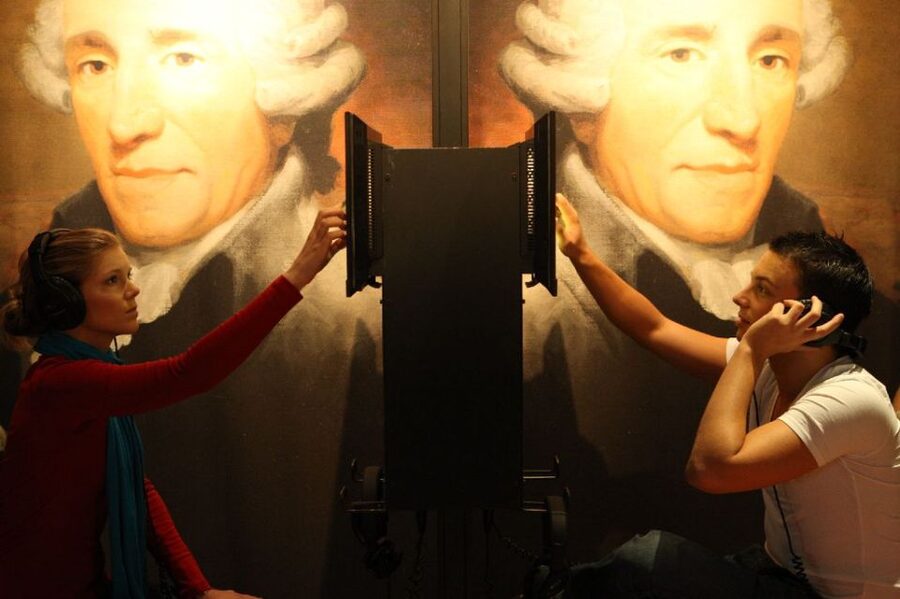
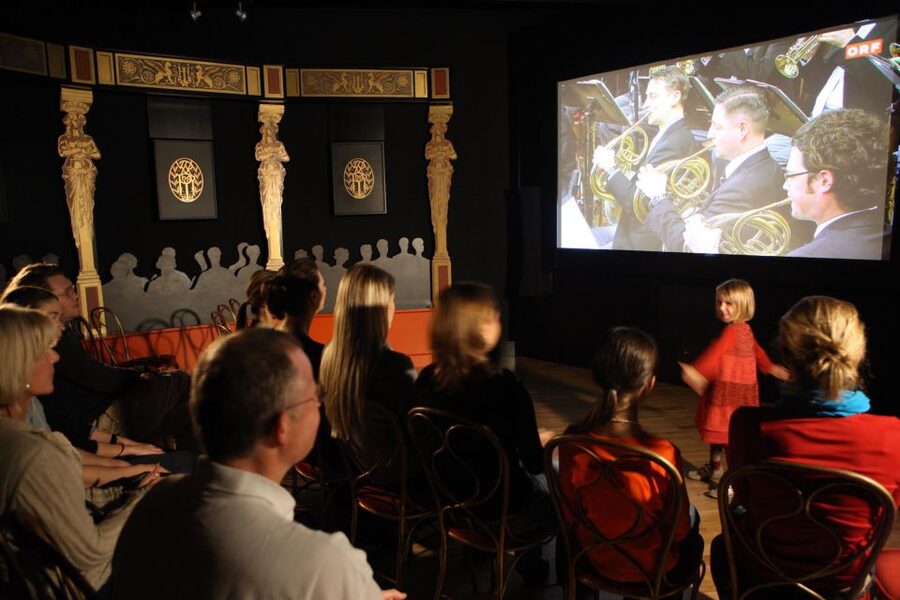
Haus der Musik includes a way to hear the Vienna Philharmonic’s New Year’s Concert in HD quality. That’s a smart touch because it lets you connect the orchestra story to a recognizable cultural event.
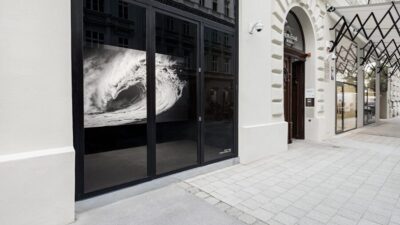
You’ll also run into temporary exhibitions in the inner courtyard. These can focus on famous musicians or special music-historical themes, including Viennese Modernism. Since these are temporary, they can add variety to your visit if you come at different times.
In practice, this means your museum day can feel slightly different depending on what’s on during your dates. If you’re a museum hopper and you like comparing themes across cities, that changes the value of repeating or revisiting.
What I’d do on a practical one-day visit
This is a one-day ticket, valid from the first activation. Since the museum spans four floors, you’ll want a plan that matches your attention span.
I suggest this pacing strategy:
- Start with the composer history areas so you understand who you’re about to hear and play with.
- Then hit the interactive rooms while you still feel curious, especially the conductor challenge and sound science stations.
- Save name and composition activities like Namadeus and the dice waltz for when you’re ready for hands-on fun.
Why this works: the interactive stations are easier to enjoy when you already know what Vienna’s music is doing, and the composer timeline is easier to remember when your brain has already experienced sound in a hands-on way.
Price and value at $22 per person
At $22 per person, this is priced like a major attraction, and you get more than one type of experience. Admission includes:
- Entry to the museum
- An app guide you download on your smartphone in 8 languages
- A children’s app in 2 languages
- A map of the museum
- Coat check
For the value side, the big win is that your ticket supports both sides of the museum: history and interaction. You are paying for a day that can be mostly active, not passive.
Two things that affect your budget: Namadeus certificate is not included, and food and drinks are not included. If you’re planning a longer session, bring your own snacks or plan a meal break nearby, so the ticket price stays the only major expense.
Also, the overall rating is strong, with a 4.6 score from 704 reviews. That doesn’t mean every room will be your favorite, but it does suggest the museum consistently delivers an experience worth your time.
Practicalities: headphones, coat check, and where to meet
Your meeting point is Haus der Musik, Seilerstätte 30, 1010 Vienna. Get there with a little buffer if you want a smooth start, especially since the museum experience is spread across multiple floors.
Bring headphones. The museum requires them as part of the visit, so don’t arrive expecting to borrow a pair on the spot.
Coat check is included, which is handy in Vienna when weather changes fast. It keeps your day more comfortable and helps you move between interactive stations without juggling a jacket.
Food and drinks are not included. The museum is ideal for a few hours of exploration, but you’ll want a plan for when you’ll refuel so you can stay in “curious mode.”
Who should book, and who might want a different plan
You should book if you want:
- A Vienna music experience that’s not just listening, but doing
- A family-friendly day with activities across ages
- An easy entry point for non-experts, because you can learn through sound and play
You might reconsider if you strongly prefer quiet, guided, lecture-style museum visits. Haus der Musik is interactive by design, so some rooms are meant to be active. If you want pure classical concert atmosphere, you’ll likely enjoy this more as a supplement to your Vienna concert tickets than as a replacement.
Should you book tickets to Haus der Musik?
Yes, if you want a high-value day that mixes composer history with interactive sound experiments. The big selling point is variety: you can study the Wiener Klassik through exhibits, test yourself as a conductor, experiment with sound, and even create music via the dice waltz.
If you’re in Vienna for a short time, this museum is also an efficient way to get a working understanding of names like Haydn, Mozart, Beethoven, Strauss, Mahler, and Schönberg in one coherent place. And for families, it’s the rare museum where kids and adults can enjoy the same day without splitting up.
If you book, take headphones seriously, and plan for a snack or meal since food isn’t included. Do that, and Haus der Musik becomes a fun, educational break from the usual sightseeing rhythm.
FAQ
How much do tickets cost for Haus der Musik?
Tickets are $22 per person.
How long is the ticket valid?
The ticket is valid for 1 day, starting from the first activation.
Where is the meeting point?
The meeting point is Haus der Musik, Seilerstätte 30, 1010 Vienna.
Is admission included?
Yes, admission is included.
Do I need to bring anything?
Yes, you should bring headphones.
Are food and drinks included?
No, food and drinks are not included.
Is there a coat check?
Yes, coat check is included.
Are there apps and maps included?
Yes. The experience includes an app guide download in 8 languages, a children’s app in 2 languages, and a map of the museum.
Is it wheelchair accessible?
Yes. It has step-free access at the main and side entrances, automatic sliding doors, wheelchair-accessible elevators, and accessible toilet facilities located in the inner courtyard and on the top floor.
Is Namadeus the game certificate included?
No, the Namadeus certificate is not included.
Just added to the bill for Vienna



Tickets, compared.
Classic Ensemble Vienna in St. Peter’s Church Ticket
Read our review →
Vienna Kunsthistorisches Museum Day Admission Ticket
Read our review →
Vienna PASS: All incl. Sightseeing Pass for 85+ Attractions
Read our review →
Tickets for Mozarthaus Vienna with Audio Guide
Read our review →
Skip-the-Line Entrance Ticket to the Danube Tower
Read our review →