
REVIEW · HISTORICAL TOURS
Vienna: Wine Tasting in a 600 year historical wine cellar
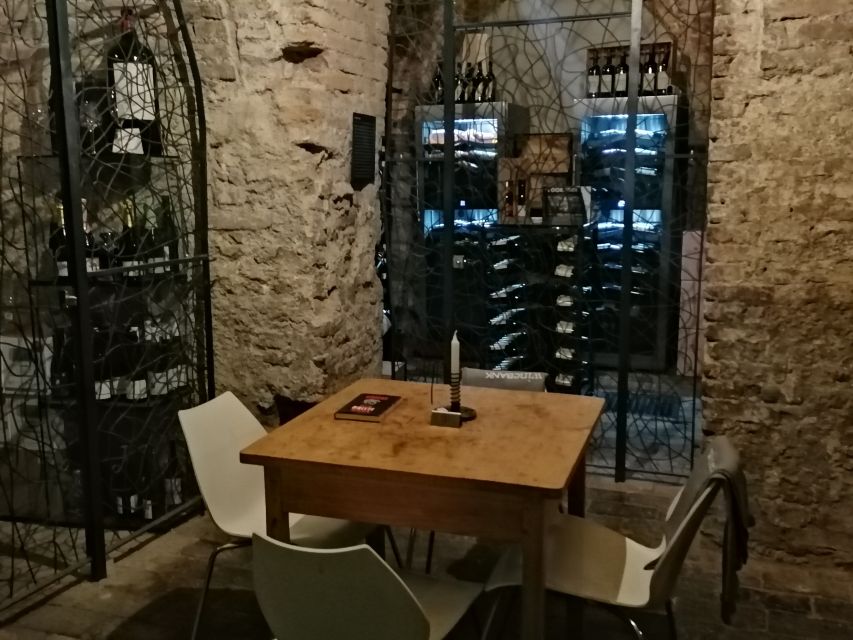
Vienna has a habit of hiding real treasures in plain sight. This wine tasting takes you into a 600-year-old historical cellar in the city center, where you sample 5 Austrian wines and connect the dots on grapes, regions, and wine habits.
Two things I especially like: the setting feels genuinely special, not staged, and the guide’s German-language lesson stays practical, so you actually leave with wine knowledge you can use. The cellar itself also makes a great backdrop for photos, and the whole mood is intimate because the group is limited to 7 people.
One possible drawback to plan around: the tour is German only, and it works best if you can walk normally through the experience. Also, it is not set up for children under 18.
In This Review
- Key highlights worth showing up for
- Entering a 600-Year Cellar in the Middle of Vienna
- Meeting Points and the 3-Hour Rhythm You Can Actually Plan
- Five Wines, One Guided Lesson on Austria’s Grapes and Regions
- The Actual Tasting Setup, Plus Bread, Ham, and Cheese
- Learning How Vienna and Austria Think About Wine
- Small Group Dynamics and Why They Matter Here
- Price and Value: Is $116 Worth It?
- Who This Tour Suits (and Who Should Skip It)
- Should You Book This 600-Year Cellar Wine Tasting?
- FAQ
- Is the wine tasting private or shared?
- How many wines are included in the tasting?
- What is the meeting point in Vienna?
- Where does the tour start and end?
- How long is the experience?
- What language is the live guide?
- Is it suitable for wheelchair users or children?
Key highlights worth showing up for
- A renovated 600-year medieval cellar in central Vienna, kept private and close-up
- Five wines that represent Vienna and Austria, explained through climate and grape choice
- Austria-focused wine regions and grape types you can recognize later when you shop or order
- History plus modern habits, including how wine drinking behavior evolved
- Small group size (up to 7) for questions, conversation, and a calmer pace
Entering a 600-Year Cellar in the Middle of Vienna
You come to Vienna for palaces and coffeehouses, then you end up under the city walls, inside a cellar that is close to medieval age. The whole point is access. This is not a public tasting room with a conveyor belt of strangers. It is a private, non-public wine space that has been renovated while still feeling old and real.
Why this matters: cellars are part of how wine lives. Temperature stability, humidity, and the storage setup all affect how bottles age. Even if you know nothing about wine, you immediately understand that wine is not just a drink, it is a process tied to place and time. Standing in a historic cellar makes that idea click faster than reading about it.
It also helps that the experience is designed to be personal. Past tours have highlighted how engaging the guide can be, and that kind of guide makes the cellar feel like a classroom instead of a museum stop. If you like conversations with real substance, this one has the right energy.
More schnitzel, strudel and market plates:
- Vienna: Chocolate Workshop in Chocolate Museum w/ Tasting
★ 4.5 · 1,802 reviews - Vienna for Food Lovers: Cafés, Markets & Austrian Cuisine
★ 5.0 · 1,063 reviews - Wachau Valley Wine Tasting Bike Tour from Vienna
★ 5.0 · 829 reviews - Vienna: Gerstner KuK Hofzuckerbäcker Baking Show & Tasting
★ 4.8 · 823 reviews
Meeting Points and the 3-Hour Rhythm You Can Actually Plan
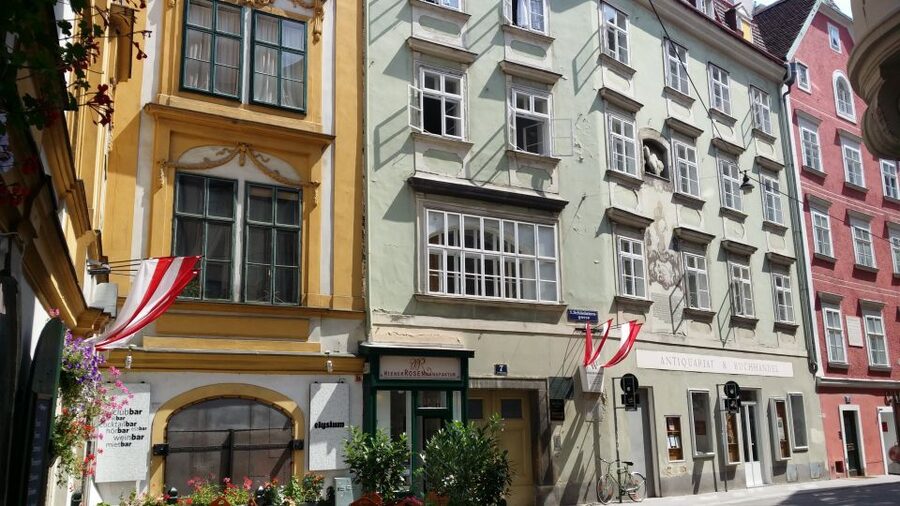
You meet at the Anker clock at Hoher Markt 10-11, inside the Helvetia-Building area (1010 Wien). The tour starts and ends at the Moses fountain at Franziskanerplatz (1010 Wien), which is about a 7-minute walk from Saint Stephen’s Square.
So what is the rhythm of those 3 hours? You start above ground near the center, then the group heads into the cellar for the tasting portion. The lesson is paced around the wines: you learn, taste, compare, and ask questions as you go. The time is long enough to get into the details, but short enough that you are not stuck in one spot all evening.
Practical tip: wear shoes you can walk in comfortably, because the tour expects normal walking ability. It is also not a good fit for kids under 18, and pets are not allowed.
Five Wines, One Guided Lesson on Austria’s Grapes and Regions
The tasting centers on 5 different wines, intended to represent Vienna and Austria. You will go beyond the label and talk through the grapes and where they come from. You also learn about climate situations across the country, which helps explain why one wine can taste sharper, fruitier, or more structured than another.
Here is what makes that educational part feel useful: it is not random wine trivia. The guide ties the wine you taste to the place it comes from. When you hear about climate and grape selection, you start noticing patterns, like how acidity and structure can shift with growing conditions.
You also cover Austria’s wine regions in a way that supports your tasting. You are not just swallowing flavors and moving on. The experience is set up so you compare wines against each other, with explanations that make the differences easier to remember.
One more practical note: the guide will also share what has changed over time in the wine industry and wine drinking behavior. That gives context for why certain styles are popular now, and it helps you understand what you might see when you browse a wine list in Vienna.
The Actual Tasting Setup, Plus Bread, Ham, and Cheese
You taste the wines with water, plus bread, ham, and cheese. This matters more than it sounds. Wine tasting works better when you have something neutral to reset your palate between pours.
The food is not presented as a big meal, and that is a good thing. The point is to keep attention on the wine characteristics. Bread and simple cheese can soften harsh edges, ham adds a salty note, and water helps you reset your senses without changing the focus.
Since souvenirs and extra food are not included, treat this as a tasting experience, not a dinner plan. If you want a full evening with dinner afterward, you will still need to budget time for that separately.
More Heuriger pours and cellar rows:
Learning How Vienna and Austria Think About Wine
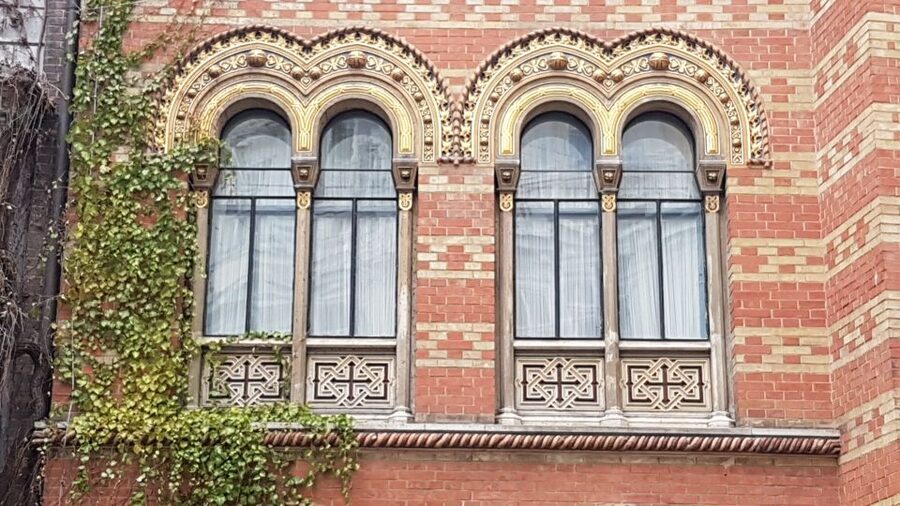
This tour goes past grapes and geography into culture. You get an introduction to the development of the wine industry, and you get an update on wine drinking behavior. In other words, you are learning wine as a human story, not just a product.
Why I like this approach: it gives you a better instinct for ordering. When you understand how tastes and habits evolve, you stop thinking of wine as fixed and start thinking of it as something people choose based on trends, traditions, and everyday life.
The guide also brings in broader context, and at least one guide, Wolfgang, has been specifically noted for mixing the wine tasting with conversation and Vienna-related context. That kind of talking makes the cellar feel less like a routine and more like an evening with a competent local.
If you care about history and current affairs, you will probably enjoy the way the discussion flows. If you just want wine, you will still get plenty out of the explanations because the tasting is the main event.
Small Group Dynamics and Why They Matter Here
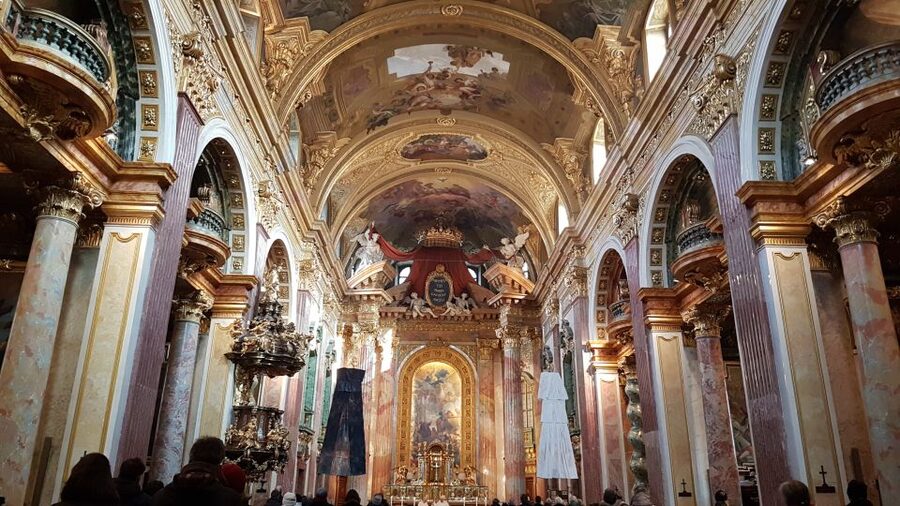
A group limited to 7 participants keeps the experience from feeling mechanical. You can ask questions without shouting. You can compare notes without feeling rushed. And you can actually hear the guide, even when you are focused on the glass in front of you.
This is especially important for a tasting that includes education. Wine knowledge sticks when you can follow the logic in real time, and a larger group tends to flatten that into a lecture you barely have time to digest.
Also, the tasting can be private or shared depending on how the booking is arranged. Either way, the setting is designed to stay intimate, because you are in a private historic cellar rather than a big public room.
Price and Value: Is $116 Worth It?
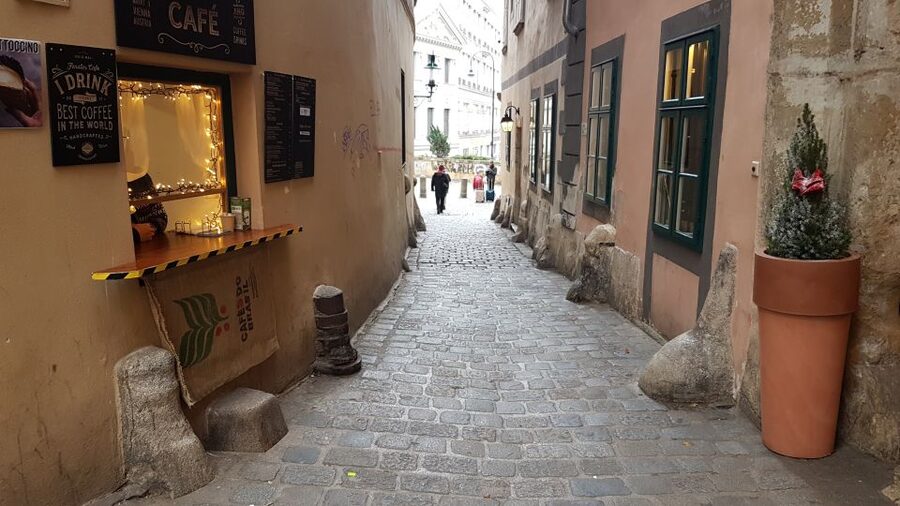
At $116 per person for 3 hours, you are paying for access and guidance, not just wine. The value comes from three places:
First, you are tasting 5 wines with a licensed Austrian guide, which means your costs include interpretation and comparison. That is different from a self-guided tasting where you pay but learn little.
Second, the location is a renovated 600-year historical cellar in the city center, and that kind of access usually costs more than standard tastings.
Third, the group size stays small, which means you get more interaction and a more controlled pace. In a city like Vienna, that matters because time and attention are both limited resources.
Downside? You should go into this knowing it is not a food tour. Bread, ham, cheese, and water are included with the tasting, but it is not positioned as a full meal experience. If you want a heavy dinner plus wine, you may still want a restaurant plan before or after.
Who This Tour Suits (and Who Should Skip It)
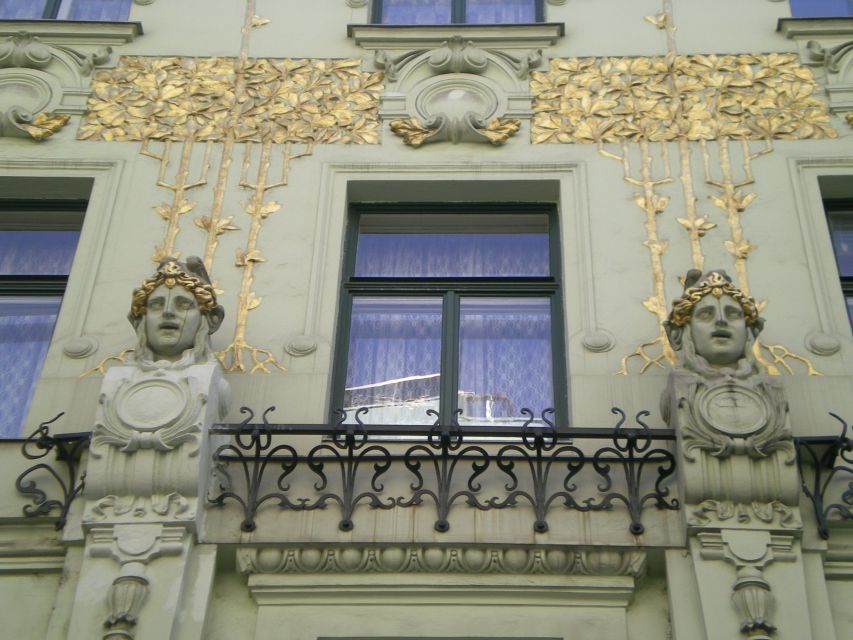
This tour is a great fit if you want:
- a wine tasting in central Vienna with real access to a historic cellar
- guided explanations about grapes, climate, and Austrian regions
- a calm small-group setting where you can ask questions
- an evening that mixes wine knowledge with Vienna context and conversation
It is not ideal if:
- you need the tour in a language other than German
- you are traveling with children under 18
- you rely on wheelchair use for mobility, since normal walking is required to engage
If you fall into a mobility gray area, I would be cautious and confirm what normal walking means for your situation before booking.
Should You Book This 600-Year Cellar Wine Tasting?
If you enjoy learning while you taste, and you like settings with a sense of place, I think this is an easy yes. The combination of 5 Austrian wines, focused explanations on grape and region, and the access to a renovated centuries-old cellar is exactly the kind of Vienna experience that feels authentic rather than generic.
Book it especially if you want an evening that mixes wine with conversation and Vienna context. If you only care about drinking and nothing else, you might find another tasting more straightforward.
My practical advice: if German language is not a dealbreaker for you, and you can comfortably walk and participate for 3 hours, this is strong value for what you get.
FAQ
Is the wine tasting private or shared?
It can be private or shared wine tasting at the wine cellar, depending on the booking.
How many wines are included in the tasting?
You will taste 5 different wines.
What is the meeting point in Vienna?
Meet at the Anker clock at Hoher Markt 10-11, in the Helvetia-Building area (1010 Wien).
Where does the tour start and end?
The tour starts and ends at the Moses fountain at Franziskanerplatz, 1010 Wien.
How long is the experience?
The duration is 3 hours.
What language is the live guide?
The live tour guide speaks German.
Is it suitable for wheelchair users or children?
It is listed as wheelchair accessible, but participants should be able to walk normally to engage in the tour, and it is not suitable for wheelchair users. It is also not suitable for children under 18.
The Habsburg Map
- Vienna: Time Travel and Magic Vienna History Tour
★ 4.6 · 3,879 reviews - Vienna: World War II Historical Walking Tour
★ 4.8 · 1,772 reviews - Vienna Historic Center Small Group Walking Tour
★ 5.0 · 1,746 reviews - Time Travel-Magic Vienna History Tour Ticket
★ 4.5 · 1,099 reviews
Just added to the bill for Vienna
Historical Tours, compared.

Vienna Historic Center Small Group Walking Tour
Read our review →

Skip-the-Line Schonbrunn Palace Guided Tour and Vienna Historical City Tour
Read our review →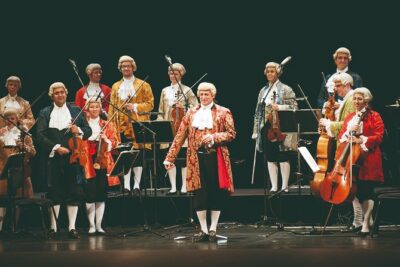
Vienna Mozart Concert in Historical Costumes at the Musikverein
Read our review →
Browse the lists this tour appears in