
REVIEW · MUSEUMS
Vienna: Ticket to the Museum of Natural History
Vienna has a secret weapon for science lovers. With a one-day ticket to the Naturhistorisches Museum Vienna, you can focus on the Venus of Willendorf and still enjoy the museum’s grand Ringstrasse setting, designed like a palace for natural science.
I also love the chance to plan in a guided rooftop tour, where you get a bird’s-eye look at Vienna’s historic center and the Ringstrasse buildings. One consideration: this museum is big, so if you want only a single theme, you’ll need to choose your must-sees or you may feel rushed.
In This Review
- Key things to know before you go
- Vienna’s Natural History Museum is a building worth building a day around
- How the one-day ticket fits real life
- The lower floor: gemstones, fossils, meteorites, and the planet’s deep past
- The meteorite collection is the star for detail seekers
- Earth’s history also includes people and prehistory
- The Venus of Willendorf and the Venus Cabinet: why this room matters
- What to look for when you enter the Venus Cabinet
- Hallstatt treasures and the Gold Cabinet: prehistoric life as an archaeological story
- The Hallstatt room: salt mining leaves a paper trail
- The Gold Cabinet: prehistoric metalwork with major significance
- Upper floor: animals from simple life to rare and extinct specimens
- A smart strategy for animal galleries
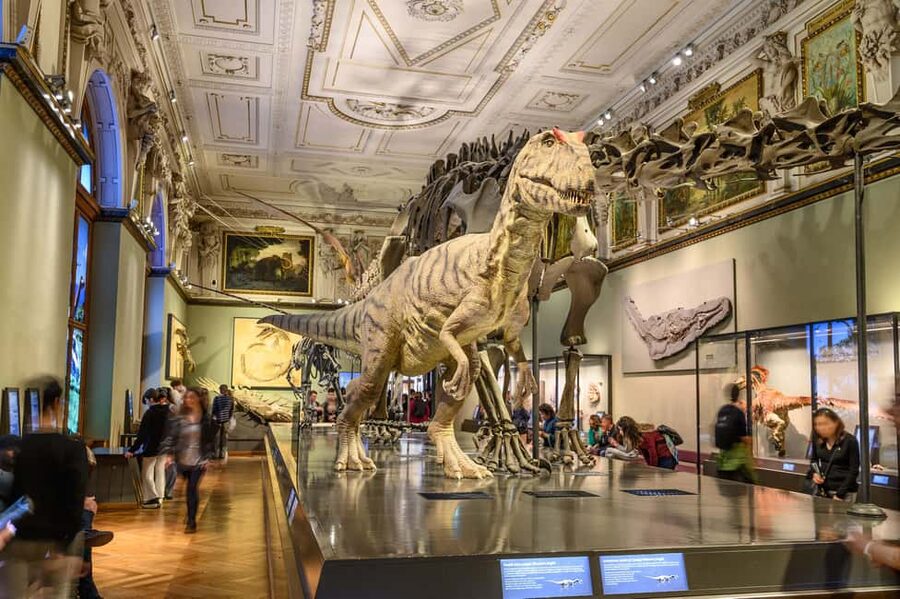
- Giant dinosaurs and the reality check for dinosaur-only trips
- Rooftop guided tour: Vienna’s center framed by Ringstrasse rooftops
- Is this ticket worth $21 for a full-day museum experience?
- Practical ways to get the most from your one-day visit
- Should you book the Vienna Naturhistorisches Museum ticket?
- FAQ
- How long is the ticket valid?
- What does the ticket include?
- What are the main highlights to plan around?
- What can I see in the Venus Cabinet?
- Does the museum have meteorite displays?
- Is there a rooftop option?
- Is the museum wheelchair accessible?
Key things to know before you go

- Venus Cabinet time travel: see the 29,500-year-old Venus of Willendorf and the even older Venus of Galgenberg (36,000 years old).
- A museum that tells Earth’s story: 39 exhibition halls across two floors cover minerals, fossils, people, and animals.
- Meteorite fans, pay attention: the museum has the largest and oldest collection of meteorites in the world.
- Hallstatt salt mining artifacts: prehistoric finds tied to 7,000 years of uninterrupted salt mining.
- Rooftop views are a big bonus: a guided tour can show Vienna’s center and Ringstrasse from above.
Vienna’s Natural History Museum is a building worth building a day around

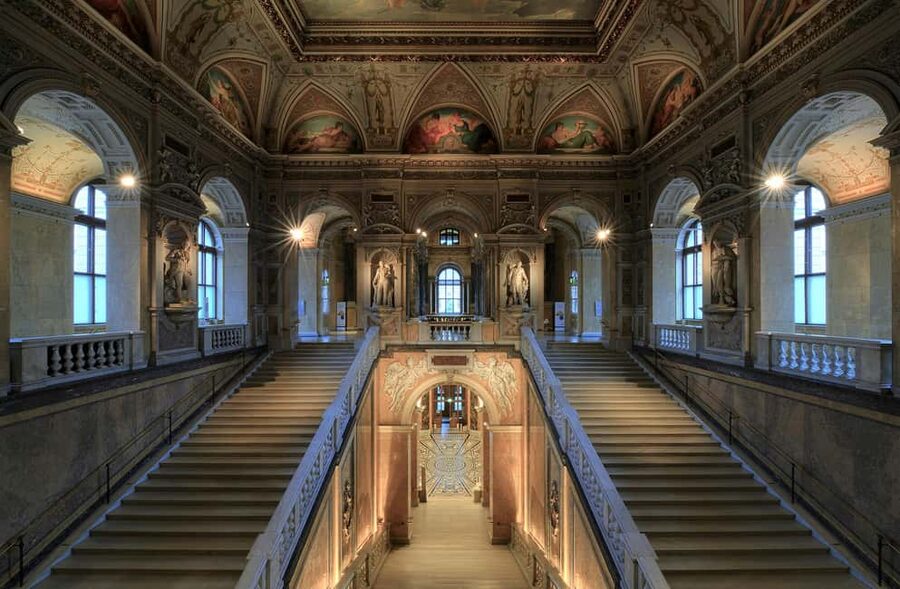
If you only have one day in Vienna and you want something that feels both educational and genuinely grand, the Naturhistorisches Museum Vienna is hard to beat. You are not just buying entry to exhibits. You are stepping into an impressive Ringstrasse landmark that was designed as a “palace of natural science and evolution.”
The architects Gottfried Semper and Carl von Hasenauer shaped the museum’s look, and it opened on August 10, 1889, officially by Emperor Franz Joseph I. That context matters because it changes how you experience the place. The building is meant to elevate natural history, and the collections are presented in a way that matches that seriousness.
Inside, you are facing a huge collection footprint, with over 30 million objects and 39 exhibition halls over two floors. The scale can feel intimidating at first. The good news is that the museum is organized so you can move through it by theme: Earth and life on the lower floor, then the animal world above.
More Habsburg-era halls and hangings:
- Vienna: Skip-the-Line Sisi Museum, Hofburg and Gardens Tour
★ 4.8 · 5,918 reviews - Vienna Kunsthistorisches Museum Day Admission Ticket
★ 4.6 · 3,690 reviews - Tickets for the Albertina Exhibitions
★ 4.7 · 2,126 reviews - Vienna: Chocolate Workshop in Chocolate Museum w/ Tasting
★ 4.5 · 1,802 reviews
How the one-day ticket fits real life
This is a one-day visit, so you’ll likely get the best results by setting a simple plan before you walk in. Pick one “must-do” on each floor, plus one wildcard room. That way, you get depth without getting stuck in circles of good intentions and empty feet.
The lower floor: gemstones, fossils, meteorites, and the planet’s deep past
Most first-time visitors start with the lower floor because it feels like the museum’s origin story. Here you’ll find precious gemstones and minerals, rare fossils, and major displays like giant dinosaurs. You’ll also run into a few things that make the museum feel extra world-class, even among top European institutions.
One reason I like this section is how it connects different kinds of evidence. Instead of treating topics like separate departments, the museum builds a sense of progression: rocks and materials, then the fossil record, then clues about how the Earth and life evolved.
The meteorite collection is the star for detail seekers
The museum holds the largest and oldest collection of meteorites in the world. Meteorites are one of those topics that sound niche until you see how they connect space, geology, and time. If you like objects that carry a physical story from somewhere else in the universe, this is the section where your attention tends to lock in.
Practical tip: give yourself time here, even if you are not a science superfan. Meteorites are best absorbed slowly, because the real value is in the specimens, their variety, and the clues they provide.
More centuries of the Habsburg map:


Earth’s history also includes people and prehistory
Alongside geology and fossils, the lower floor includes an exhibition on the origin and development of mankind, plus special exhibitions that rotate by topic. That mix is useful. It helps you avoid the feeling that the museum is only about dinosaurs and bones. You see how natural science frameworks connect to human history and prehistoric life.
The Venus of Willendorf and the Venus Cabinet: why this room matters
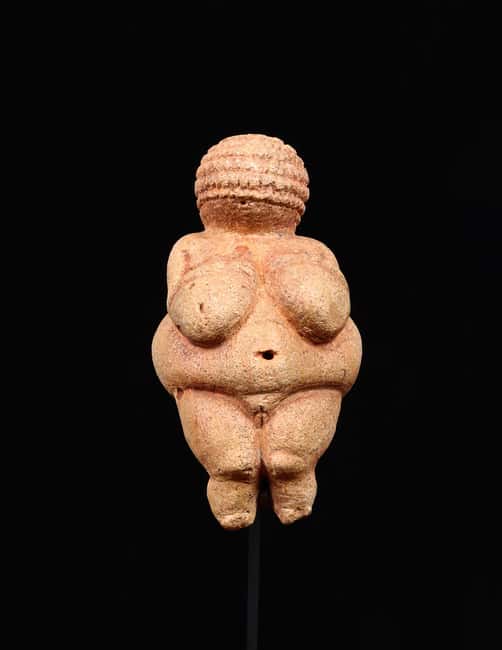
If you are choosing just one exhibit to center your day, make it the Venus Cabinet. This is where the museum quietly becomes more than a rock-and-bones stop. It turns prehistory into something immediate, human, and unforgettable.
Inside the Venus Cabinet, you can see two famous figurines:
- Venus of Willendorf, about 29,500 years old
- Venus of Galgenberg, about 36,000 years old, described as the oldest known human figure made of stone
Even if you do not know much about Upper Paleolithic art, these displays tend to grab attention fast. They are small compared to skeletons and dinosaur statues, but the age is so extreme that it changes your sense of time.
What to look for when you enter the Venus Cabinet
You’ll want to pause for the basics: scale, materials, and how the figurines are presented. Look at how the museum frames them, not just how they look. That presentation is part of the experience because it helps you understand why these objects are famous beyond their age.
Hallstatt treasures and the Gold Cabinet: prehistoric life as an archaeological story
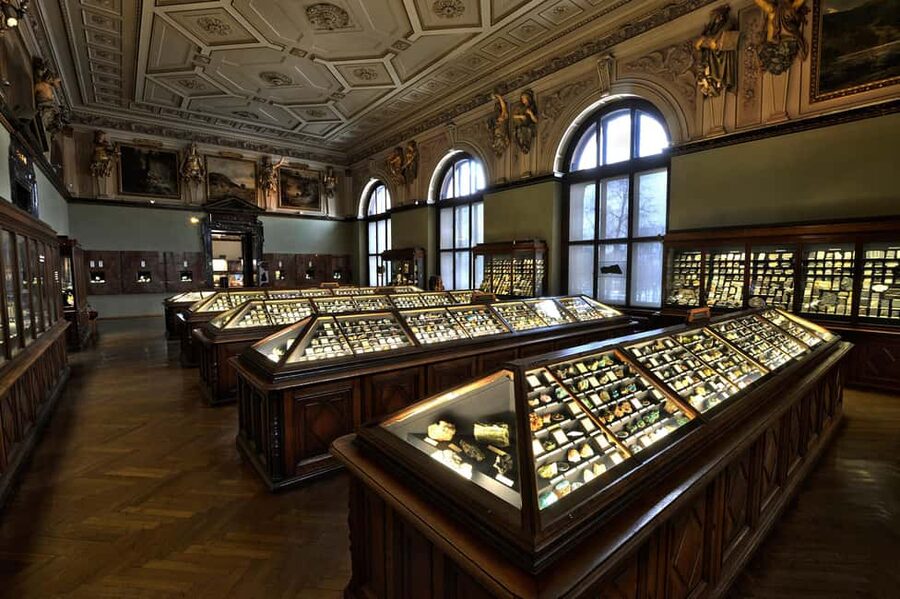
The museum does not treat prehistory like a single theme. It gives it multiple lenses, including archaeology, craft, and trade.
The Hallstatt room: salt mining leaves a paper trail
One entire room is dedicated to finds from the prehistoric mine and burial ground in Hallstatt. The museum links the artifacts to 7,000 years of uninterrupted salt mining, which is a mind-bending fact. Salt is not just a seasoning here. Salt can mean survival, economy, and power.
This section tends to be a great break from the heavier dinosaur and fossil feel. You get evidence of everyday life, burial practices, and the kind of long-term human activity that leaves durable traces.
The Gold Cabinet: prehistoric metalwork with major significance
The Gold Cabinet displays prehistoric gold and silver treasures, including the second oldest gold find in the world. You also get a chance to see how craftsmanship can survive for millennia, and how metal artifacts help archaeologists build timelines.
Also worth noting: there is a gemstone bouquet in the museum, described as a gift from Maria Theresa to her husband, Emperor Franz I Stephan of Lorraine. It’s a reminder that the museum’s gemstone displays are not only about geology. They connect to people, power, and collecting.
Upper floor: animals from simple life to rare and extinct specimens
When you move to the upper floor, the museum’s mood shifts. You go from Earth materials and deep time to living forms, then to the diversity of the animal world.
This floor covers everything from marine organisms to highly developed mammals. You’ll also see mounted specimens, including rare and extinct amphibians and reptiles, mammals, and birds. That “then and now” feeling is one of the reasons this museum stays memorable. It makes evolution and extinction feel tangible.
A smart strategy for animal galleries
This is where it’s easy to lose time. Mounted specimens are fascinating, and every room can feel like it has its own story. If you want to move efficiently, you can focus on one path:
- choose one room about amphibians and reptiles
- then move to mammals or birds
- end with any exhibit that’s labeled as extinct or rare, since those are often the most emotionally striking
If you like wildlife more than fossils, you’ll probably enjoy this floor even more than the lower one.
Giant dinosaurs and the reality check for dinosaur-only trips
The lower floor includes giant dinosaurs, and it’s reasonable to think dinosaurs will dominate your visit. Here’s the balanced take: the museum is enormous and covers far more than dinosaurs.
So if your whole trip goal is dinosaur rooms, you might come away feeling like dinosaur time was only part of the program. That does not mean the dinosaur displays are weak. It just means the museum’s priorities spread across fossils, meteorites, prehistory, and animals.
My advice: treat dinosaurs as one highlight, not the entire day. If you do that, you’ll get the best of what the museum does well.
Rooftop guided tour: Vienna’s center framed by Ringstrasse rooftops
One of the best extras is the opportunity to take a guided tour to the rooftop. From there, you can enjoy fantastic views of Vienna’s city center and the Ringstrasse buildings.
This is a smart add-on because it changes your day. You spend hours staring at scientific objects indoors, then you look outward. The city view gives you context for the building, too. Vienna’s Ringstrasse is where grand architecture and civic identity overlap, and seeing it from above makes the museum feel like part of the same big story.
Practical tip: when you arrive, scan for information about the rooftop tour timing. If you only have one day, you’ll want to align your indoor priorities so you do not rush through the main exhibits to catch the view.
Is this ticket worth $21 for a full-day museum experience?
At $21 per person for a one-day admission ticket, the value is mostly about two things: scale and flexibility. The museum contains 39 exhibition halls and over 30 million objects in its collection. Even if you only see a fraction of that, the sheer coverage means you can tailor your visit.
Also, this ticket gives you enough room to match your travel style. If you love prehistory, you can concentrate on the Venus Cabinet and the Hallstatt room. If you are a geology person, you can prioritize minerals, fossils, and the meteorites. If you are more animal-focused, you can shift attention upstairs.
For budget planning: $21 is not just paying for a single exhibit. It is paying for a whole museum day where you can choose your route and keep adjusting as you go.
Practical ways to get the most from your one-day visit
Here’s how I’d plan it so you leave satisfied, not exhausted.
1) Start with your top priority, first
Don’t do “whatever room looks open.” If Venus of Willendorf is on your list, find your way there early while you still have energy.
2) Use the floors as your plan
The lower floor gives you deep time and Earth science. The upper floor is animals. Once you accept that split, you can avoid wandering.
3) Pick one room that is the emotional anchor
That could be Venus of Willendorf, Hallstatt salt mining finds, or rare extinct specimens upstairs. Having one emotional anchor keeps the day coherent.
4) Budget for standing time
This is a museum where you will likely stop a lot. Give yourself breaks, especially around crowded viewing areas.
5) Do not skip the outside architecture
Even if you only peek at the exterior quickly, it sets expectations. The museum is a palace-like structure on the Ringstrasse, and it feels like a place that meant something long before you arrived.
Should you book the Vienna Naturhistorisches Museum ticket?
I’d say yes if you want a single day that feels both educational and visually impressive, and you like museums that connect themes across time. This ticket is a strong choice if you:
- care about iconic objects like the Venus of Willendorf
- enjoy prehistory, archaeology, and the deep-time approach
- want a structured museum experience with room to choose your own route
- would love a viewpoint bonus from a rooftop guided tour
I’d think twice if your trip goal is narrow and purely dinosaur-focused. The museum has giant dinosaur displays, but the day works best when you treat dinosaurs as one highlight inside a much bigger natural science story.
FAQ
How long is the ticket valid?
The admission ticket is valid for 1 day, so you can plan your visit within that timeframe based on availability.
What does the ticket include?
It includes admission to the Museum of Natural History, Vienna.
What are the main highlights to plan around?
Plan around the Venus of Willendorf, natural history collections across many exhibition halls, and the museum’s exterior architecture on the Ringstrasse. The Venus Cabinet is especially famous, and the museum also offers a rooftop guided tour opportunity.
What can I see in the Venus Cabinet?
The Venus Cabinet houses the 29,500-year-old Venus of Willendorf and the 36,000-year-old Venus of Galgenberg.
Does the museum have meteorite displays?
Yes. The museum houses the largest and oldest collection of meteorites in the world.
Is there a rooftop option?
The museum offers an opportunity for a guided rooftop tour with views of Vienna’s city center and the Ringstrasse buildings.
Is the museum wheelchair accessible?
Yes, the activity is wheelchair accessible.
Just added to the bill for Vienna





Museums, compared.

Skip-the-Line Sisi Museum, Hofburg and Gardens Tour
Read our review →
Vienna Kunsthistorisches Museum Day Admission Ticket
Read our review →

Chocolate Workshop in Chocolate Museum w/ Tasting
Read our review →

St. Stephen’s Cathedral & Dom Museum Wien Tickets
Read our review →
Browse the lists this tour appears in